
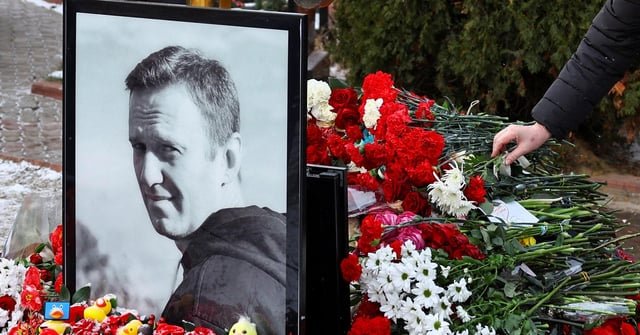
The Kremlin has firmly rejected recent European claims that Russian authorities poisoned opposition leader Alexei Navalny with a toxin derived from dart frogs. This accusation, made by a range of European officials, has escalated tensions between Russia and the West, particularly in light of past incidents involving Navalny, who has been a vocal critic of President Vladimir Putin.
Accusations of Dart Frog Toxin Usage
European officials have suggested that Navalny was poisoned with a toxin extracted from the skin of dart frogs, known for their potent neurotoxins. These claims were highlighted during a recent parliamentary session in Germany, where lawmakers discussed the implications of Russia's alleged actions. The accusations were part of a broader critique of Russia's treatment of political dissidents and its human rights record.
In response, Kremlin spokesperson Dmitry Peskov stated that these allegations are unfounded and represent an attempt to tarnish Russia's reputation on the international stage. Peskov characterized the claims as an orchestrated campaign, emphasizing that Russia is committed to transparency regarding Navalny's situation. He called for substantive evidence to support the allegations and dismissed what he termed as "groundless accusations."
Navalny's Ongoing Legal Troubles
Alexei Navalny, who survived a near-fatal poisoning in August 2020, remains imprisoned in Russia. His poisoning, which was linked to a nerve agent from the Novichok group, drew international condemnation and led to sanctions against Russian officials. Navalny has received significant support from Western governments, who have called for his release and an independent investigation into his poisoning.
Following his return to Russia in January 2021 after recovering in Germany, Navalny was arrested and subsequently sentenced to over two years in prison for alleged parole violations on charges widely considered politically motivated. His imprisonment has sparked protests across Russia and has been a focal point in the ongoing struggle for political freedoms in the country.
International Response and Diplomatic Tensions
The European Union and the United States have consistently condemned the Russian government's treatment of Navalny and other political dissidents. EU foreign policy chief Josep Borrell stated that the bloc stands firmly against any form of repression and will continue to support Navalny's cause. In a recent statement, he emphasized the importance of holding Russia accountable for its actions.
As diplomatic tensions escalate, the Kremlin's strong denial of the poisoning allegations comes amid calls for a more robust response from Western nations. The situation has led to discussions about further sanctions against Russia, particularly in light of its military actions in Ukraine and its broader geopolitical strategies. Critics argue that the Kremlin's tactics aim to suppress dissent and distract from its internal issues.
The Broader Implications for Russia-EU Relations
The allegations against Russia regarding Navalny's poisoning highlight a significant strain in Russia-EU relations. This incident is just one in a series of contentious issues that have plagued interactions between the two entities. Analysts suggest that the ongoing tensions could lead to a more fractured relationship, with both sides unwilling to compromise on critical issues such as human rights and territorial integrity.
Moreover, the accusations could have ripple effects on Russia's economy, particularly if additional sanctions are imposed by the EU and its allies. The potential for increased isolation from European markets could impact various sectors, including energy, which is crucial for Russia's economy. As the situation evolves, the Kremlin's ability to navigate these challenges will be closely scrutinized on the international stage.
While the Kremlin's denial of the poisoning allegations reflects its strategy to maintain a strong front against Western criticisms, the situation surrounding Navalny remains precarious. His plight continues to resonate with many who advocate for democracy and human rights in Russia, ensuring that this issue will remain a focal point in discussions about the country's future relations with the West.