
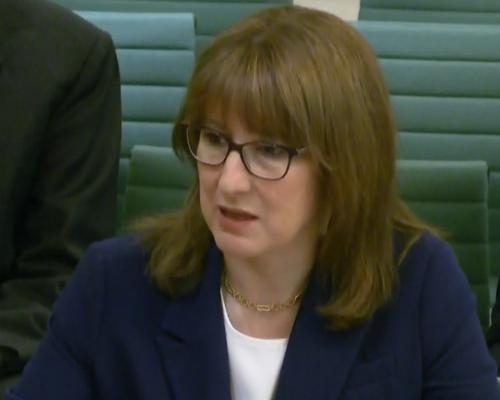
Rachel Reeves, the UK Chancellor, has not ruled out the possibility of scrapping a planned fuel duty increase scheduled for September, indicating that "nothing is off the table" as the government assesses how to support consumers facing rising energy costs. During a session with the Treasury select committee, Reeves highlighted that the government is considering various options for targeted support amid the escalating conflict in Iran, which has contributed to instability in global energy markets.
Potential Changes to Fuel Duty Amid Rising Costs
The planned increase in fuel duty, which is set to phase out a previous 5p cut implemented after Russia's invasion of Ukraine in 2022, has become a focal point of discussion. When questioned by Conservative MPs about whether the government would eliminate this upcoming increase, Reeves responded that all tax options are under review. "We always keep all taxes under review. But it is much too early when those changes are not due to come into effect until September to guess where petrol prices will be then," she stated. Originally reported by The Guardian.
Reeves's cautious approach comes as fuel prices at petrol stations have surged in response to fears that the ongoing conflict in the Middle East will disrupt supply chains, driving wholesale prices close to record highs. Recent reports indicated that the price of a barrel of oil soared to $119.50 on Monday, a level not seen since 2022, further complicating the government's fiscal planning.
Market Volatility and Government Strategy
In light of these developments, Reeves emphasized the government's commitment to preventing fuel retailers from taking advantage of the situation. She plans to meet with industry leaders and the Competition and Markets Authority to discuss measures aimed at ensuring fair pricing practices. "I am very loth to spend government money on something the market should be doing itself. And that is why greater competition and greater transparency about pricing is so important," she remarked.
Reeves also noted that the UK is prepared to collaborate with other nations in the 32-member International Energy Agency to release strategic oil reserves if necessary, aiming to alleviate the pressure on crude prices. The government prioritizes the de-escalation of the conflict in Iran and is advocating for the safe passage of oil and gas exports through the crucial Strait of Hormuz.
Inflation Concerns Amid Global Tensions
Reeves's statements come amid warnings from the Office for Budget Responsibility, which projected that UK inflation could end the year higher than previously anticipated, potentially reaching 3%. This projection contrasts with earlier expectations that inflation would drop closer to 2%. Currently, headline inflation in the UK stands at 3%, down from a peak of 3.8% last year.
As the government grapples with these economic challenges, Reeves acknowledged the limited fiscal room within her self-imposed rules to implement an emergency package for rising energy bills. However, she expressed confidence that there is still "scope for interventions in the short term" to support households facing increasing living costs.
Investment in Renewable Energy as a Buffer
Reeves pointed out that the UK's investments in green energy have begun to insulate the country from the volatility associated with global oil and gas prices. She argued that as more renewable energy sources come online and infrastructure improves, the UK will be better positioned to weather future energy crises. "Over the next few years, we will be even more insulated as more of that renewable energy comes online and as we build the infrastructure to better connect it to the grid," she said.
As the situation evolves, both Rachel Reeves and Labour leader Keir Starmer face increasing pressure from opposition parties, including the Conservatives, Reform UK, and the Liberal Democrats, to take decisive action regarding the planned fuel duty increase. With fuel prices continuing to rise and inflation concerns looming, the government's strategies will be closely scrutinized in the coming weeks. The priority remains to ensure that consumers are not disproportionately affected by the ongoing geopolitical tensions and the resulting market fluctuations.
Originally reported by The Guardian. View original.