
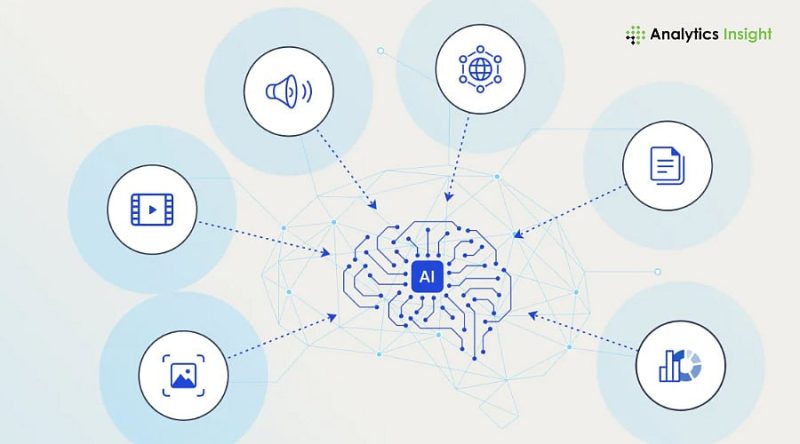
In 2026, multimodal AI is at the forefront of transforming enterprise decision-making across several industries, including retail, banking, manufacturing, and healthcare. By integrating diverse data types-text, video, audio, and structured data-businesses can gain unprecedented insights for strategic choices. With over 40% of large enterprises currently piloting these advanced systems, the investment in AI is projected to exceed $300 billion globally by 2027, a significant leap from previous years.
Multimodal AI: A Game Changer for Enterprises
Multimodal AI represents a significant evolution in artificial intelligence, moving beyond traditional systems that primarily processed numerical or written data. These newer systems harness the power of multiple information types, allowing them to analyze text, images, audio, and video simultaneously. For instance, a retail chain can now monitor live camera feeds from stores, analyze extensive customer reviews, and track warehouse sensors in a single integrated system. This convergence of data enables businesses to make well-informed decisions swiftly.
In banking, for example, AI can sift through transaction logs, recorded calls, and scanned documents to detect patterns indicating fraudulent activities. Analysts predict that this technology will reshape boardroom discussions as companies rely less on conventional metrics like quarterly spreadsheets and more on real-time, comprehensive data insights.
Accelerated Adoption and Market Growth
The surge in multimodal AI adoption is notable. According to Gartner's 2025 industry surveys, the percentage of large enterprises piloting these systems has jumped from under 20% to over 40% in just two years. This rapid growth reflects a broader trend where companies are increasingly willing to invest in AI capabilities. Technology giants like Microsoft, Google, and Amazon are embedding multimodal models into their enterprise platforms, further driving the momentum.
Advanced AI systems, including GPT-5 and Google Gemini, exemplify this trend by their ability to interpret various data formats within a single workflow. This shift is more than just technological; it's a strategic pivot that enhances operational efficiencies. With enterprise AI spending projected to reach $300 billion by 2027, multimodal capabilities are expected to capture a significant share of that market.
Transforming Decision-Making in Key Sectors
In the retail sector, multimodal AI is being utilized to improve demand forecasting significantly. By analyzing historical sales data across thousands of stock-keeping units (SKUs), social media sentiment from millions of posts, and in-store camera feeds that monitor shelf activity, retailers can optimize inventory management. This predictive capability ensures that popular products are restocked in a timely manner, enhancing customer satisfaction and driving sales.
Manufacturing firms are employing multimodal AI to enhance equipment monitoring as well. Industrial sensors generate performance metrics every few seconds, while cameras provide continuous inspection of production lines. Case studies indicate that predictive maintenance systems leveraging this technology can reduce unplanned downtime by up to 30%. For large plants, even a modest 5% improvement can translate to millions of dollars in annual savings.
Financial Institutions Reap the Benefits
In the banking sector, the integration of multimodal AI is reshaping how institutions detect fraud and assess loan applications. Real-time monitoring of transactions, combined with AI-driven chatbots for customer support, creates a more responsive banking experience. Furthermore, AI algorithms can personalize product recommendations based on customers' spending habits, enhancing customer engagement.
Beyond these applications, banks are also utilizing multimodal AI to streamline operational processes. For instance, the ability to analyze both structured data and unstructured data-such as customer conversations-allows for a holistic view of client interactions. This comprehensive approach not only improves risk assessment but also enhances the overall customer experience.
The integration of multimodal AI into decision-making processes signals a transformative era for enterprises. As organizations continue to embrace this technology, the potential for improved efficiency and strategic insight is vast. The journey towards a fully integrated AI future is just beginning, and the implications for various sectors are profound. With ongoing advancements in AI capabilities, businesses are poised to redefine operational effectiveness and decision-making frameworks like never before.