
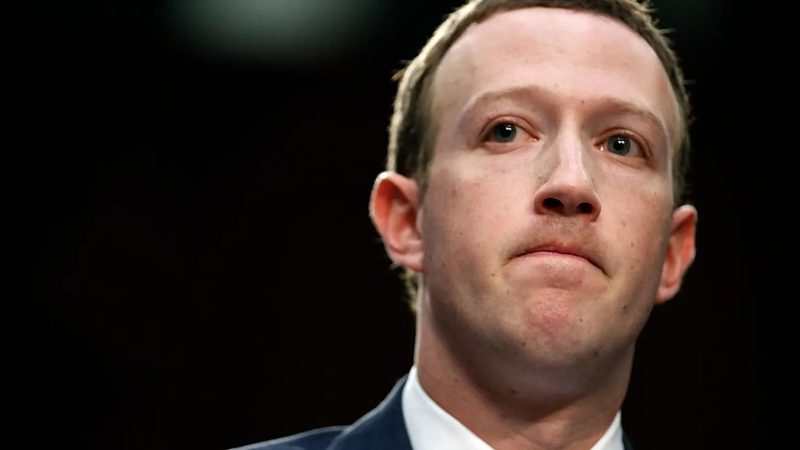
Meta CEO Mark Zuckerberg is set to testify on Wednesday in a California courtroom regarding allegations that his company's social media platforms have contributed to mental health issues among children. The case centers around a 20-year-old woman known only by her initials, KGM, who claims that her use of Meta and Google platforms as a child exacerbated her struggles with depression and suicidal thoughts. This landmark trial could set a significant precedent for future cases against social media companies.
KGM's Allegations Against Meta and Google
KGM, who is now 20, alleges that her childhood interactions with Meta and Google's social media platforms led to an addiction that intensified her mental health challenges. According to the lawsuit, the design choices made by these companies mirror tactics used in gambling to keep users engaged, particularly targeting young audiences to increase their profits. KGM's claims highlight the potential dangers of social media and its impact on vulnerable populations, as she argues that the platforms contributed to her depressive and suicidal thoughts.
The lawsuit originally named four defendants: Meta, Google's YouTube, ByteDance's TikTok, and Snap Inc., the parent company of Snapchat. While TikTok and Snap Inc. have reportedly settled before the trial commenced, the focus now remains on Meta and Google. KGM's legal team argues that the companies have a responsibility to protect children from harmful online experiences.
Impact of Zuckerberg's Testimony
As Zuckerberg prepares to address the jury, he will face intense scrutiny regarding the algorithms and features of Instagram that the plaintiffs argue are designed to keep young users addicted. The courtroom will also be filled with parents who have lost children to suicide, many of whom attribute their tragedies to the influence of social media. Zuckerberg has previously expressed remorse during congressional hearings for the impact of social media on families, but this trial could further amplify the stakes for his company.
The outcomes of this bellwether trial are particularly noteworthy, as they could influence thousands of similar lawsuits against social media platforms across the United States. As the legal proceedings unfold, both sides are preparing for an intense battle over the responsibility of tech companies in safeguarding young users from psychological harm.
Legal Arguments and Company Responses
During the initial stages of the trial, Meta's attorney, Paul Schmidt, argued that KGM's mental health struggles cannot solely be blamed on Instagram. Instead, he pointed to her challenging home life as a significant factor in her issues, suggesting that KGM utilized social media as an escape rather than as the primary cause of her distress. This narrative underscores the complexity of attributing mental health outcomes to social media use, a point that could become pivotal in the trial's outcome.
In response to the lawsuit, a spokesperson for Meta firmly rejected the allegations, emphasizing the company's longstanding commitment to supporting young users. They expressed confidence that the evidence presented would demonstrate that the platforms do not intentionally harm children. Meanwhile, KGM's legal team anticipates that Zuckerberg's testimony will shed light on the platforms' design and their implications for young users' mental health.
Broader Implications for Social Media Regulation
This trial comes at a time when European countries are also contemplating age-related restrictions on major tech companies to better protect children from harmful content. As the dialogue around social media's impact on youth grows louder, lawmakers and regulators are under increasing pressure to enact measures that safeguard mental health.
The outcome of this trial could serve as a catalyst for stricter regulations and a reevaluation of how social media companies operate, especially concerning young users. If KGM's claims gain traction, it could lead to a broader recognition of the need for accountability among tech giants.
As the trial progresses, all eyes will be on Zuckerberg and the implications his testimony may have on the future of social media and its relationship with mental health. The stakes are high, not just for the companies involved but for the millions of young users navigating the complexities of online interactions.