
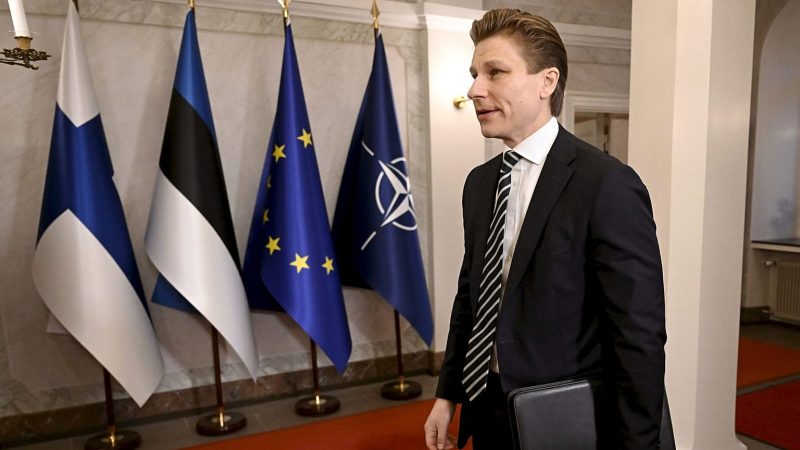
In a striking warning, Finland's Defence Minister Antti Häkkänen has highlighted Russia's increasing military presence near the Finnish border, particularly in the Arctic region. This development has raised concerns about European security, especially as Finland continues to adapt following its NATO membership after Russia's invasion of Ukraine.
Growing Russian Military Presence in the Arctic
During a recent interview with Euronews at the Munich Security Conference, Häkkänen emphasized the critical importance of Arctic security to the stability of Europe. He noted, "Russia has most of their biggest strategic capabilities in nuclear, submarines, long-range bombers in the Kola Peninsula area." The Kola Peninsula, which spans approximately 100,000 square kilometers in northwestern Russia, serves as a hub for much of the country's sea-based nuclear arsenal. Häkkänen expressed concern over Russia's construction of new military facilities along Finland's border, drawing parallels to the Cold War period. He stated, "It would be wise to watch the Arctic and build Arctic capabilities for deterrence."
NATO's Response and Finland's Readiness
Häkkänen welcomed NATO's renewed focus on Arctic defense, citing initiatives like the Arctic Sentry enhanced vigilance activity. However, he lamented that the security of the Arctic should have been prioritized much earlier, describing the situation as "old news." He reassured that Finland's armed forces are fully equipped for Arctic operations and are prepared to share their expertise with allies to bolster regional security. Since joining NATO, Finland has been actively working to enhance its military capabilities in response to the shifting geopolitical landscape.
Funding and Defence Reforms
In light of these developments, Finland has sought financial support from the European Union, submitting a request for €1 billion under the bloc's €150 billion defense loan scheme. This funding is intended to bolster Finland's land forces and acquire crucial military assets, including armored vehicles and drones. The European Commission has already approved this request, with final approval from national ministers expected soon. Häkkänen highlighted that a significant portion of the funding will go towards upgrading Finland's land defense capabilities, which includes a comprehensive reform plan aimed at enhancing strike capabilities and improving infrastructure by 2035.
Broader Implications for European Defence
Häkkänen also addressed the broader implications of the war in Ukraine on European defense strategies, asserting that the EU is learning the right lessons and taking steps to shoulder more responsibility for its security. While he acknowledged concerns regarding the U.S.'s commitment to NATO, particularly in light of recent comments from former President Donald Trump about European defense capabilities, he assured that the U.S. remains a vital partner. He stated, "We need the US in the short term," underscoring the importance of transatlantic cooperation in addressing security challenges.
As tensions in the Arctic continue to evolve, Finland is positioning itself as a key player in securing the region. The military developments near its border are a stark reminder of the shifting dynamics in European security. Finland's proactive approach, including its investment in defense reforms and close collaboration with NATO allies, underscores the urgency of addressing these emerging threats. The coming months will be critical as Finland and its allies navigate the complexities of Arctic security and strive to ensure stability in a rapidly changing geopolitical landscape.