
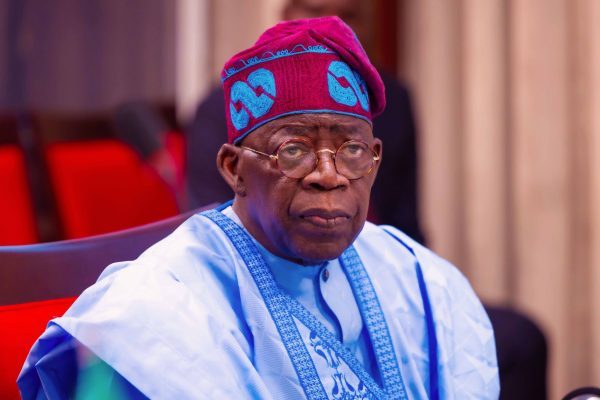
President Bola Ahmed Tinubu has taken a decisive step to enhance Nigeria's fiscal stability by signing an executive order that mandates the direct remittance of oil and gas revenues to the federation account. Announced on Wednesday by presidential spokesman Bayo Onanuga, this initiative seeks to minimize revenue leakages and significantly bolster the government's earnings.
The new directive is aimed at safeguarding the country's oil and gas revenues while eliminating overlapping structures that have previously hampered financial transparency. By ensuring that these revenues are directly deposited into the federation account, the government hopes to restore full constitutional allocations to federal, state, and local governments. This move is particularly significant given the backdrop of Nigeria's ongoing financial challenges and the need for a more reliable revenue stream.
Addressing Revenue Deductions Under PIA
One of the primary focuses of Tinubu's executive order is to address revenue deductions that were instituted under the Petroleum Industry Act (PIA). The PIA had allowed the Nigerian National Petroleum Corporation Limited (NNPC Limited) to retain a substantial portion of profits for various purposes. Specifically, it had been permitted to keep 30 percent of profit oil and gas as a management fee, alongside another 20 percent for working capital and investments, and an additional 30 percent allocated to the Frontier Exploration Fund.
This structure has been criticized for undermining the fiscal health of the federation account. By mandating direct remittance, the administration seeks to reverse these deductions and ensure that a greater share of oil revenues is available for distribution among the three tiers of government. The implications of this order are profound, particularly for state and local governments, which often rely heavily on federal allocations to fund essential services.
Boosting Government Earnings Amid Economic Challenges
As Nigeria grapples with economic constraints, the need to enhance government earnings through efficient revenue collection has never been more pressing. The executive order is expected to lead to a more streamlined process for remitting oil and gas revenues, which could result in a significant increase in available funds. This, in turn, may help alleviate some of the financial pressures faced by various levels of government.
Moreover, the emphasis on direct remittance could restore investor confidence in Nigeria's oil sector. By showcasing a commitment to transparency and accountability, the government may attract more foreign investments, which are critical for economic recovery and growth. Analysts suggest that a more robust federation account could also provide a buffer against fluctuations in global oil prices, making Nigeria's economy more resilient.
Political Implications of the Executive Order
The signing of this executive order comes at a time when President Tinubu is seeking to consolidate his administration's position within the political landscape. By taking bold steps to address long-standing issues in the oil sector, he aims to demonstrate decisive leadership. This action may resonate well with voters who have expressed frustration over revenue mismanagement and the lack of transparency in the oil industry.
Furthermore, the order could pave the way for key reforms in Nigeria's oil and gas sector, which has been marred by corruption and inefficiency. Political analysts will be watching closely to see how this directive is implemented and whether it leads to tangible improvements in the management of oil revenues. The success of this initiative could bolster Tinubu's political capital and support as he navigates the complex terrain of governance in Nigeria.
So, President Tinubu's executive order mandating the direct remittance of oil and gas revenues to the federation account represents a significant shift in Nigeria's approach to managing its natural resources. By addressing revenue leakages and promoting transparency, the administration aims to secure a more stable financial future for all levels of government. As the country continues to face economic challenges, this initiative could prove vital in enhancing fiscal stability and restoring public confidence in government revenue management.