
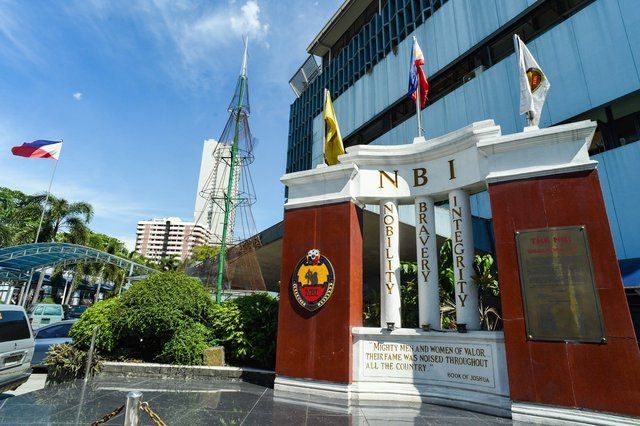
In a significant move for the Philippines' law enforcement landscape, President Ferdinand Marcos Jr. plans to appoint lawyer Melvin Matibag as the new director of the National Bureau of Investigation (NBI). This announcement was made by Malacañang on Thursday, underscoring a strategic decision aimed at reinforcing the country's investigative capabilities.
Melvin Matibag: Background and Qualifications
Melvin Matibag, a notable figure in the legal and political spheres, has a rich history in public service. His previous role as an executive of the Partido Demokratiko Pilipino (PDP) showcases his deep-rooted connections within the Philippine political landscape. Matibag's legal acumen is backed by years of experience in various capacities, making him a fitting candidate for this pivotal role. He has been involved in numerous high-profile cases and has garnered respect from colleagues and adversaries alike.
The NBI, tasked with investigating and enforcing laws against various criminal offenses, will benefit from Matibag's extensive background. His ability to navigate complex legal frameworks and his commitment to justice are expected to enhance the bureau's operations. The NBI has faced various challenges in recent years, and the appointment of a leader with Matibag's credentials could signal a new era for the agency.
Implications for the National Bureau of Investigation
Matibag's impending leadership comes at a time when the NBI has been under scrutiny for its handling of sensitive investigations. Critics have pointed to the need for reform within the bureau, emphasizing the importance of transparency and efficiency. With Matibag at the helm, there are high hopes for a renewed focus on these areas.
His appointment may also reflect broader efforts by the Marcos administration to bolster the country's law enforcement agencies. By selecting a figure with a political background, the government aims to bridge the gap between legal enforcement and political accountability. This could potentially lead to more streamlined processes within the NBI, fostering cooperation with other law enforcement bodies.
Political Reactions and Expectations
The announcement has elicited varied reactions from political analysts and the public alike. Supporters of Matibag point to his qualifications and the potential for progressive change within the NBI. However, some critics remain skeptical, questioning whether his political affiliations might interfere with impartial law enforcement.
As the confirmation process unfolds, the expectations for Matibag will be high. His ability to address ongoing issues, such as corruption and inefficiency, will be closely monitored. The NBI's reputation hinges on his leadership, and stakeholders are eager to see how he will implement reforms.
Looking Ahead: Challenges and Opportunities
In the coming months, Melvin Matibag will face the daunting task of steering the NBI through a landscape marked by increasing public demand for accountability. The agency's role in tackling crime and upholding the rule of law is more crucial than ever. Matibag will need to prioritize community engagement and public trust as he embarks on this new chapter.
Moreover, his tenure will likely coincide with ongoing discussions surrounding law enforcement practices in the Philippines. The need for modernization and adaptation to new challenges, such as cybercrime and organized crime syndicates, will require innovative strategies. Matibag's legal expertise and political insight may prove invaluable in navigating these complex issues.
As the nation watches closely, the appointment of Melvin Matibag as NBI director marks a pivotal moment for the bureau and the broader Philippine justice system. His leadership could redefine how the NBI addresses crime in the country, potentially restoring faith in its capacity to deliver justice effectively.