
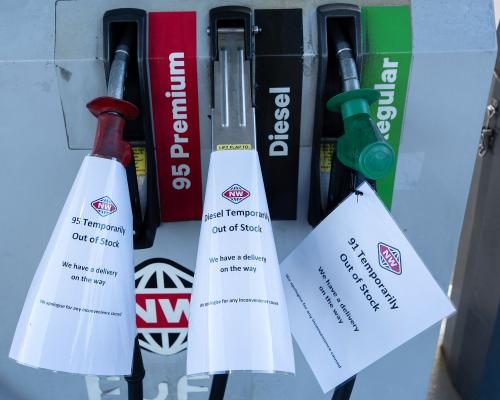
A New Zealand doctor has taken a bold stand by invoicing the US embassy in Wellington for petrol costs incurred due to rising fuel prices, which he attributes to actions taken by former President Donald Trump. Dr. Shane Dunphy, from Onslow Medical Centre, is requesting NZ$2,790.95 (approximately US$1,597) to cover petrol vouchers issued to his clinic's staff to aid their transportation needs.
Invoice Reflects Rising Fuel Crisis
In a letter accompanying the invoice, Dr. Dunphy expressed that his staff are grappling with the financial burden of soaring petrol prices, which he believes stem from an "avoidable war" initiated by the Trump administration. The conflict he refers to is linked to the US-Israeli attacks on Iran, which have significantly impacted global energy markets. As a result, petrol prices in New Zealand have surged by up to 50 cents per litre, pushing the average cost of unleaded fuel to over NZ$3 per litre. Originally reported by The Guardian.
Dr. Dunphy's clinic has provided petrol vouchers to its employees to ensure they can afford to commute to work and support their families during these challenging times. In his letter, he stated, "We now ask that the USA reimburse us the cost of these vouchers. The USA is responsible for this and therefore should be held accountable." This direct appeal highlights the broader economic repercussions felt in New Zealand due to international conflicts.
Global Trade Vulnerability
New Zealand's economy is particularly vulnerable to global disruptions due to its reliance on international trade. The ongoing energy crisis has illustrated just how susceptible the nation is to fluctuations in supply chains and shipping routes. With rising fuel costs affecting not just individual households but also businesses, many New Zealanders find themselves struggling to make ends meet.
The doctor's stance is not just a call for reimbursement; it's also a critique of the foreign policy decisions that have led to such economic distress. He encourages individuals and businesses alike to voice their concerns and submit similar invoices to the US embassy, signaling a growing frustration with the ramifications of US-led conflicts abroad. However, Dr. Dunphy also acknowledged the inadequacy of financial compensation in addressing the deeper issues of human suffering and loss of life that accompany such geopolitical strife.
Direct Criticism of US Leadership
In his correspondence, Dr. Dunphy did not shy away from condemning the actions of Trump, labeling the attack on Iran as "immoral and completely unjustified." He articulated a sense of responsibility among those who supported Trump's presidency, suggesting that they should take ownership of the consequences that have ensued from his administration's policies. "If you break something, you should fix it," he stated, emphasizing a need for accountability.
Moreover, he criticized New Zealand's governmental response, particularly under Prime Minister Christopher Luxon, for failing to take a firm stance against the war. Dr. Dunphy believes that without principled leadership, the world risks further economic turmoil and humanitarian crises. "Unless they stand on principle, you know, what do we have?" he asked, highlighting the moral obligations of nations to condemn actions that lead to widespread suffering.
Anticipating a Response from the Embassy
Despite the gravity of his request, Dr. Dunphy is not overly optimistic that the US embassy will comply with his invoice. He is aware that this action may not yield any financial relief but feels compelled to make a statement nonetheless. "I didn't anticipate the embassy would pay the account," he admitted in an interview with the Guardian, emphasizing the symbolic nature of his action.
Dr. Dunphy's move is emblematic of a growing sentiment among citizens who find themselves directly affected by international conflicts that feel distant yet have local ramifications. As petrol prices continue to rise, the financial strain on families and businesses in New Zealand only intensifies, underscoring the interconnectedness of global politics and local economies.
As the situation unfolds, Dr. Dunphy's actions may inspire others to hold global powers accountable for their decisions. While the immediate financial outcome remains uncertain, the broader conversation about responsibility and moral leadership in international relations is likely to continue.
Originally reported by The Guardian. View original.