
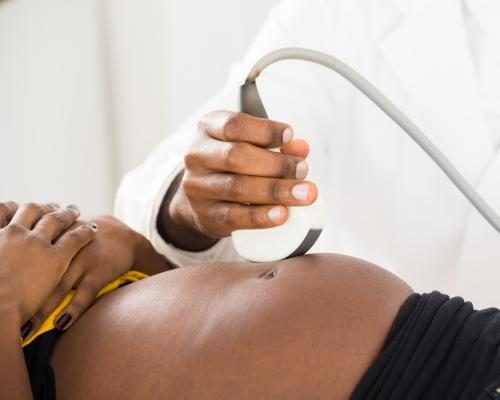
Recent research highlights stark disparities in maternity care outcomes for women in the UK, particularly among Black women, who are 2.7 times more likely to experience fatal complications during or shortly after childbirth compared to their white counterparts. The study, reported by the Guardian, suggests that the long-term physiological effects of stress induced by racism and socioeconomic inequality may be key factors in these troubling statistics.
Understanding the Disparities in Maternity Care
For years, disparities in maternity care outcomes have been documented, revealing a troubling trend that correlates with ethnicity and socioeconomic status. Black women face significantly higher risks during pregnancy and childbirth, with research indicating that babies born to Black mothers are also at a greater risk of neonatal complications. Alarmingly, many women from minority backgrounds report feeling unheard by healthcare professionals, particularly when they express concerns during pregnancy and labor. Originally reported by The Guardian.
Tobi Thomas, the Guardian's health and inequalities correspondent, emphasized the importance of understanding the root causes of these disparities. "What this study adds is an attempt to get at the root causes of that disparity - not just describing it, but asking why it exists," she noted. Previous studies have often highlighted the issue without delving into the underlying factors contributing to the problem.
New Insights on Physiological Stress from Racism
The recent study shifts the focus towards the impact of cumulative stress related to racism and social inequality on maternal health. Researchers explored how these social and environmental stressors might lead to measurable physiological changes that adversely affect pregnancy outcomes. Thomas remarked, "I think people have been aware for a while that it's not just about individual bias." This recognition marks a significant evolution in the conversation surrounding health disparities.
Rather than attributing the issue solely to individual biases among healthcare providers, the findings underscore the broader effects of systemic factors. The lead researcher expressed surprise that more work hadn't already been conducted in this area, indicating the pioneering nature of the research.
The Shift in Understanding Racial Disparities
This new research does not only highlight the problem but aims to provide deeper insights into its origins. Thomas pointed out that previous studies often concluded with vague statements like "more research is needed to explain why this happens." However, this latest study moves beyond that by emphasizing the cumulative physical toll of living with racism and disadvantage.
As more evidence emerges, it complicates the narrative surrounding healthcare bias, suggesting that the inequalities in maternity care extend beyond individual interactions with clinicians. The physiological ramifications of long-term stress, especially among marginalized groups, are becoming increasingly recognized as vital to understanding health outcomes.
Rising Awareness and Calls for Action
There's a growing acknowledgment of the scale of the problem, and various advocacy groups are pushing for reforms. Organizations like Five X More and the Motherhood Group are actively working to elevate the conversation around racial disparities in maternity care. Thomas highlighted that professional bodies such as the Royal College of Midwives and the Royal College of Obstetricians and Gynaecologists are advocating for improved training and awareness regarding these disparities.
Official Investigations into maternity care have also uncovered the role of stereotypes in treatment. Women from diverse backgrounds have reported being treated differently, with some Asian women stating they were perceived as less capable of enduring pain, while Black women felt their concerns were dismissed as exaggeration. These accounts underscore the urgent need for systemic changes within healthcare settings.
Efforts are underway to address these disparities, but challenges remain. Thomas noted that it is critical to continue examining how racial discrimination manifests in maternity care and to implement strategies aimed at mitigating its impact.
As awareness grows, there's hope for improved outcomes in maternity care for women of all backgrounds. The recent findings propel the conversation forward, pushing for a healthcare system that recognizes and addresses the systemic inequalities that have long plagued maternal health.
Originally reported by The Guardian. View original.