
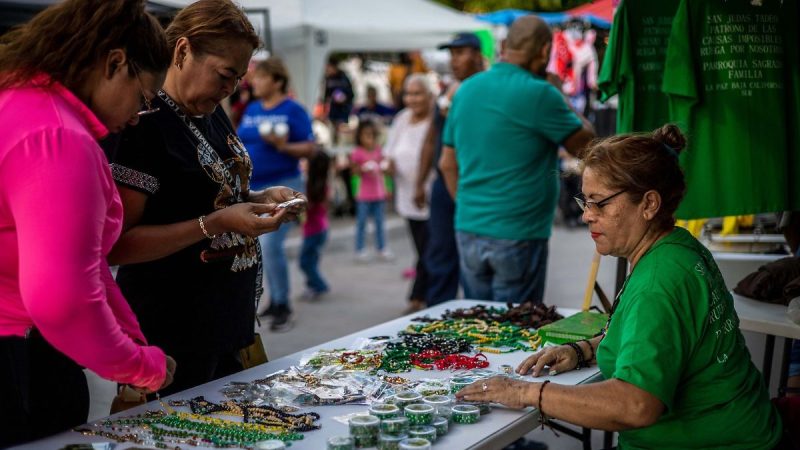
The economic landscape of Baja California Sur (BCS) is significantly shaped by the contributions of women, who make up a substantial portion of the workforce. Recent data reveals that out of 458,000 individuals employed in the region, 189,000 are women. Despite this impressive participation, challenges such as wage inequality, in-work poverty, and the burdens of double shifts continue to affect their economic standing. This comprehensive guide covers the economic weight of women in bcs in detail.
The Economic Weight Of Women In BCS: Women's Vital Role in Key Sectors
Women in BCS play a crucial role across various sectors, driving growth and innovation. Their employment spans industries such as tourism, agriculture, and services, all of which are integral to the region's economy. However, the disparity in wages remains a pressing issue. Women earn significantly less than their male counterparts, which perpetuates a cycle of poverty and limits their economic opportunities. Learn more on Investopedia.
For instance, while men dominate higher-paying positions, women often find themselves in low-wage jobs that offer little security. This imbalance not only affects individual households but also the broader economic health of BCS. The local government and organizations are beginning to recognize the need for policies that promote wage equality and provide women with better working conditions.
The Struggles of Female-Headed Households
Female-headed households, such as that of 45-year-old Eunice Cervantes, exemplify the resilience and determination of women in BCS. As a mother of three, Eunice balances a paid domestic job with a home-based business selling bread and ice cream. Her story is emblematic of the broader trend where many women juggle multiple roles, often working long hours to support their families.
This dual burden of work and home responsibilities leads to what's known as 'double shifts.' Many women find themselves overwhelmed, trying to meet both professional demands and family needs. The lack of affordable childcare and supportive workplace policies exacerbates this challenge, often forcing women into difficult choices between career advancement and family care.
Addressing Wage Inequality and In-Work Poverty
The issue of wage inequality is compounded by the prevalence of in-work poverty among women in BCS. Despite being employed, many women struggle to make ends meet, with low wages failing to cover basic living expenses. This situation calls for urgent attention from policymakers to implement strategies that can bridge the wage gap.
Experts argue that recognition of women's contributions must be met with concrete actions. As one academic noted, "Recognition must be accompanied by policies that guarantee greater participation, better conditions, and equal opportunities." This highlights the need for systemic changes that address the root causes of economic disparity.
Institutional Support and Future Initiatives
In response to these challenges, local authorities and organizations are beginning to roll out programs aimed at supporting women's economic empowerment. Initiatives that focus on training, access to financing, and the promotion of women in leadership roles are crucial to fostering a more equitable economic environment.
Furthermore, community engagement and grassroots movements are gaining momentum, advocating for the rights of women in the workforce. Events such as International Women's Day are being utilized to raise awareness and mobilize support for women's issues in BCS, highlighting the importance of solidarity in the fight for equality.
As Baja California Sur continues to evolve, the economic weight of women becomes increasingly apparent. Their contributions are vital not only for family sustenance but also for the overall health of the economy. Moving forward, it is essential that both society and government recognize and address the ongoing disparities that hinder women's full participation in the workforce. Empowerment through equitable policies and supportive infrastructures will be key to unlocking the true potential of women in BCS.
Originally reported by El Sudcaliforniano. View original.