
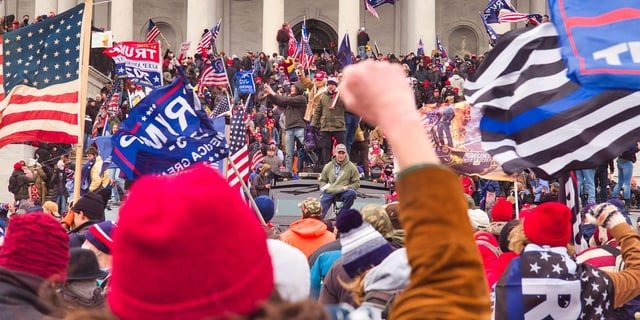
As the investigation into the January 6 Capitol riots continues, new data reveals a substantial link between belief in conspiracy theories and support for the violent actions that took place that day. Among Donald Trump's voter base, those who subscribed to various unfounded theories were significantly more likely to justify the riot, reflecting deep-seated divisions within American society.
The research indicates that a staggering 70% of respondents who believed in conspiracy theories about the election claimed the riot was justified, compared to just 19% of those who didn't subscribe to such beliefs. This stark contrast highlights how misinformation can fuel extreme actions and reshape political narratives. Originally reported by r/science.
Rise of Conspiracy Theories During the 2020 Election
The 2020 presidential election was marked not only by fierce campaigning but also by the proliferation of conspiracy theories. Many supporters of Trump believed that the election was stolen, a narrative that was aggressively pushed by the former president and his allies. This rhetoric convinced many that their democratic rights were being undermined, justifying, in their eyes, the violent acts that occurred on January 6.
Surveys conducted in the aftermath of the riots show that belief in these theories was prevalent among Trump's voter base. The data reveals that 65% of surveyed Trump supporters believed that widespread voter fraud had occurred, despite numerous investigations and court rulings debunking these claims. The conviction that the election was fraudulent not only mobilized voters but also led many to rationalize the violence at the Capitol.
Public Sentiment and Justification of Violence
The justification of the January 6 riots among conspiracy theorists raises questions about the broader implications for American democracy. In interviews, several individuals who participated in the riots expressed their belief that they were acting to defend the Constitution. As one participant stated, "We were there to protect our rights, and we believed we had no other choice." This sentiment illustrates how deeply ingrained conspiracy theories can warp perceptions of reality and justify extreme behavior.
Support for the riots varied significantly depending on the belief in conspiracy theories. Among those who did not adhere to these beliefs, only 19% found the actions of the rioters acceptable. This stark divide reveals how misinformation can galvanize individuals to take drastic actions under the pretext of protecting their rights.
The Role of Social Media and Misinformation
Social media platforms played a significant role in the spread of conspiracy theories leading up to the January 6 riots. Algorithms that prioritize engagement often amplify sensationalist content, creating echo chambers where misinformation thrives. Many Trump supporters found community and validation for their beliefs in these online spaces, which further entrenched their views.
Experts argue that addressing the spread of misinformation is crucial for the health of American democracy. According to Dr. Emily K. Brown, a political psychologist, "The ability of conspiracy theories to take root in public consciousness is alarming. It shows how vulnerable the electorate can be to manipulative narratives, especially during high-stakes events like elections."
Consequences for the Future of American Politics
The findings surrounding Trump voters and their justification of the January 6 riots have profound implications for the future of American politics. With a considerable portion of the electorate still believing in unfounded claims, political polarization is likely to persist, complicating bipartisan efforts to address critical issues facing the country.
As the nation grapples with the fallout from the riots, it is essential for political leaders and institutions to find a way to bridge the divide. Initiatives aimed at educating voters about misinformation and promoting media literacy could be vital steps toward healing the rift that has formed. Without concerted efforts to combat the spread of false narratives, the potential for future violence in politically charged environments remains a significant concern.
Looking ahead, the challenge will be to restore trust in the democratic process and ensure that all Americans can engage in civil discourse, free from the influence of conspiracy theories. As the nation moves forward, addressing the underlying issues that led to the January 6 riots will be crucial in preventing similar occurrences in the future.
Originally reported by r/science. View original.