
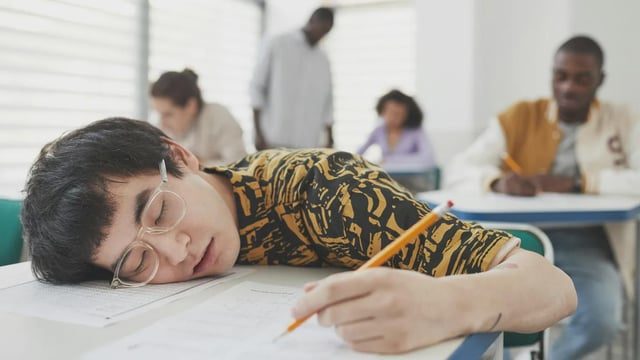
A recent national survey has unveiled a concerning trend among high school students in the United States regarding their sleep habits. The study, conducted in 2023, found that a staggering 77 percent of high schoolers reported not getting adequate sleep, highlighting a significant issue that could have lasting effects on their health and academic performance.
Survey Findings: Alarming Sleep Patterns
The survey, which included responses from thousands of high school students across the nation, revealed that 23 percent of participants classified their sleep duration as 'very short sleep,' defined as five hours or less per night. This lack of sleep is alarming, especially considering the recommended amount of sleep for teenagers is between eight to ten hours. The data raises questions about the lifestyle, academic pressures, and social activities that may be impacting students' ability to rest adequately. Originally reported by r/science.
This trend of sleep deprivation among teens isn't new; however, the high percentage of those reporting severe sleep deficits points to a growing crisis. Sleep is essential for cognitive function, emotional regulation, and physical health, all of which are critical during the formative high school years.
Consequences of Sleep Deprivation
The implications of insufficient sleep can be profound. Experts indicate that chronic sleep deprivation can lead to a multitude of issues, including diminished academic performance, Increased anxiety, and various health problems. Dr. Jennifer Hartman, a sleep specialist, stated, "Lack of sleep can severely impact a teenager's ability to concentrate in school, retain information, and manage stress effectively." With the pressures of standardized testing and extracurricular commitments, students may struggle to prioritize sleep.
In addition, the survey highlights that many students are unaware of the importance of sleep. Some may view late-night study sessions as a necessity, not realizing that the quality of their rest is just as crucial as the quantity. As a result, schools and parents are urged to foster environments that encourage healthier sleep habits.
Potential Solutions and Recommendations
Addressing the sleep crisis among teens requires a multi-faceted approach. Schools could implement later start times to align better with teenagers' natural sleep cycles, which tend to shift during adolescence. Research has shown that starting the school day later can significantly improve students' sleep duration and overall well-being.
Furthermore, parents can play a vital role by establishing consistent bedtime routines and encouraging their children to unplug from electronic devices at least an hour before bed. Limiting screen time can help improve sleep quality, as the blue light emitted from screens can interfere with the body's natural sleep-wake cycle.
Community initiatives that promote awareness about the importance of sleep could also make a difference. Educational programs aimed at both students and parents might help demystify the science of sleep, thereby fostering better sleep habits within families.
Broader Implications for Society
The findings from this survey extend beyond individual health; they reflect a broader societal issue that demands attention. The increasing demands placed on students-from academic rigor to extracurricular activities-often come at the expense of their health. Policymakers and educators must prioritize student wellness by recognizing the critical role sleep plays in academic success.
Moreover, as mental health issues among teens become more prevalent, the relationship between sleep and mental health cannot be overlooked. Insufficient sleep can exacerbate conditions like anxiety and depression, creating a vicious cycle that can be challenging to break. As such, integrating sleep education into school curriculums could serve as a proactive measure to tackle this growing concern.
The 2023 survey serves as a wake-up call for parents, educators, and policymakers alike. Addressing the sleep deficit among high school students is not just about improving grades; it's about fostering healthier, more resilient individuals who can thrive in all aspects of life.
As society continues to evolve, the conversation around teen sleep must remain a priority. With increasing awareness and proactive measures, there's hope for a future where adequate sleep is recognized as a fundamental right for all students.
Originally reported by r/science. View original.