
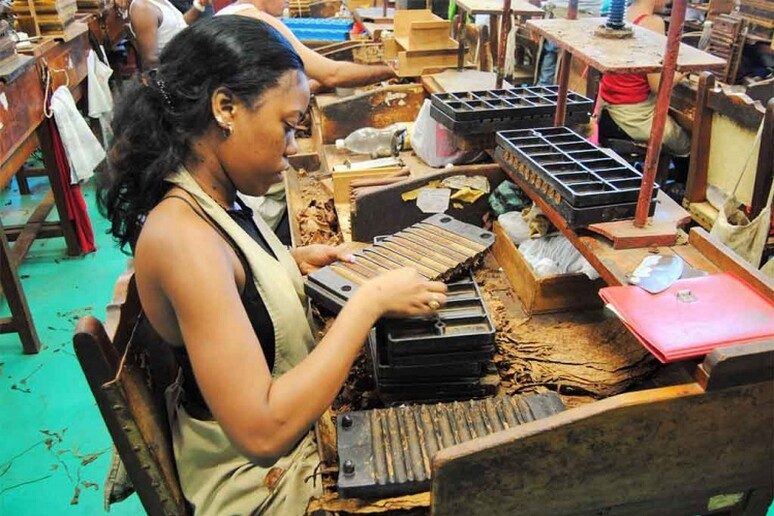
Cuba's renowned Cigar Festival, an annual celebration of the island's famed tobacco industry, has been postponed amid significant logistical challenges. Set to take place in February 2024 in Havana, the festival's cancellation stems from severe fuel shortages and ongoing blackouts exacerbated by the U.S. oil embargo. This event, which typically attracts thousands of visitors and industry professionals, has become a casualty of the country's deepening economic crisis.
Impact of Fuel Shortages on the Festival
The decision to cancel the festival reflects the broader struggles facing Cuba, where fuel shortages have become increasingly common. The country has seen a dramatic rise in blackouts, making it difficult to maintain essential services and operations necessary for large-scale events. The festival, which was expected to showcase the finest cigars from renowned brands, would have involved extensive logistical arrangements, including transportation and accommodations for international guests.
According to local authorities, the fuel crisis has forced many businesses to scale back operations, impacting not just the festival but the economy as a whole. In recent months, the Cuban government has reported that fuel availability has plunged by nearly 30%, significantly affecting daily life. The decision to postpone the festival is emblematic of the challenges the government faces in maintaining its tourism sector, a vital source of revenue.
A Cultural Event of Historical Significance
The Cigar Festival, first held in the late 1990s, has grown into one of Cuba's most significant cultural events. Each year, it draws cigar aficionados, investors, and tourists from around the world, eager to explore Cuba's rich tobacco heritage. Attendees typically participate in tastings, factory tours, and educational seminars that highlight the craftsmanship and artistry behind Cuban cigars.
In past editions, the festival has featured masterclasses led by some of the industry's leading figures, including renowned cigar makers and connoisseurs. The cancellation of the event not only deprives Cuba of a chance to showcase its premium products but also impacts the livelihoods of those employed in the tobacco sector, which remains a cornerstone of the island's economy.
Ongoing Economic Challenges in Cuba
The cancellation of the Cigar Festival underscores the dire economic situation in Cuba, which has been compounded by the U.S. embargo and the global pandemic. The island has experienced double-digit inflation rates, with food prices soaring by as much as 50% in some sectors. These economic pressures have led to widespread discontent among the population, many of whom struggle to meet basic needs.
Experts suggest that the combination of fuel shortages, rising costs, and diminishing tourism has created a perfect storm for Cuba's economy. The government has attempted to mitigate the fallout by implementing new policies aimed at attracting foreign investment, but results have been slow to materialize. The festival's cancellation is a stark reminder of how external factors can directly impact local economies and cultural events.
Future Prospects for the Cigar Industry
Looking ahead, the future of the cigar industry in Cuba remains uncertain. The postponement of the festival raises questions about how the sector can adapt to ongoing challenges. With many cigar producers relying heavily on international markets, the continued restrictions and economic instability threaten their viability.
Industry insiders hope that as conditions improve, the festival can be rescheduled, allowing Cuba to reclaim its position as a leader in the global tobacco market. However, significant hurdles remain, particularly regarding fuel and resource availability. The Cuban government has indicated that it will continue to seek international partnerships and investment opportunities to revitalize the sector.
In a time where cultural celebrations like the Cigar Festival are more crucial than ever for national pride and economic support, the cancellation serves as a poignant reminder of the challenges that lie ahead. For now, the festival's future remains uncertain, as Cuba navigates through its ongoing crisis.