
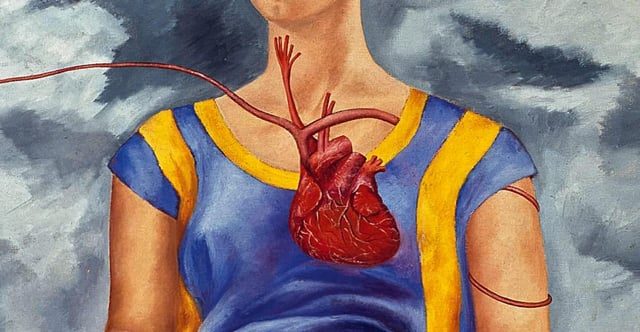
Heart disease is increasingly becoming a leading cause of death among young women, sparking concern among health professionals and families alike. Recent studies reveal that heart disease has surpassed cancer as the primary cause of death for women aged 25 to 44. This troubling trend highlights the need for greater awareness regarding the warning signs that often go unrecognized.
Statistics Show Growing Concerns
According to the American Heart Association, approximately 1 in 3 women will die of heart disease. A report from the Centers for Disease Control and Prevention (CDC) indicates that the percentage of women under 45 dying from heart disease has nearly doubled in the past two decades. In 1999, only 12% of cardiac deaths occurred in this age group, but by 2019, that number soared to 23%. Originally reported by r/Health.
The rise in heart disease fatalities among young women can be attributed to a combination of risk factors, including obesity, smoking, and lack of physical activity. Moreover, mental health issues such as anxiety and depression, which have been exacerbated by the ongoing COVID-19 pandemic, are also contributing to this alarming trend. Dr. Jennifer H. Mieres, a cardiologist at Northwell Health, emphasized that "heart disease isn't just a man's disease, and it's critical for women to understand their risks."
Missed Warning Signs
Unfortunately, the symptoms of heart disease in women can often be subtle and easily overlooked. Many women may experience non-traditional signs such as fatigue, shortness of breath, or even indigestion, rather than the classic chest pain typically associated with heart attacks. These atypical presentations may lead to misdiagnosis or delayed treatment, increasing the risk of severe outcomes.
Furthermore, societal misconceptions about heart disease being predominantly a male issue can prevent women from seeking necessary medical advice. Dr. Mieres noted, "Women often downplay their symptoms or attribute them to stress or anxiety, which can lead to catastrophic consequences." She urges women to advocate for their heart health and seek immediate medical attention if they experience any unusual symptoms.
Educating Young Women
In response to this rising concern, several organizations are launching initiatives aimed at educating young women about heart health. The American Heart Association's "Go Red for Women" campaign encourages women to take charge of their cardiovascular health through awareness and preventative measures. The initiative highlights the importance of regular check-ups, maintaining a healthy diet, and engaging in regular physical activity.
Additionally, schools and colleges are incorporating heart health education into their curricula, aiming to instill healthy habits in young women from an early age. Programs focused on mental health awareness are also essential, as they address the psychological factors that can contribute to heart disease. Experts agree that a holistic approach that combines physical and mental well-being is vital in combating this growing issue.
Call to Action for Healthcare Providers
Healthcare providers also play a crucial role in addressing this rising trend. It is essential for doctors to consider heart disease as a potential diagnosis in younger women who present with risk factors or concerning symptoms. Training programs for medical professionals are increasingly focusing on the unique presentations of heart disease in women, ensuring that they can recognize and respond appropriately.
The American Heart Association is advocating for more research into gender-specific symptoms and treatments for heart disease. As Dr. Mieres puts it, "We need to ensure that women are not just treated in the same way as men, but with a tailored approach that recognizes their unique needs."
As the statistics continue to rise, it is imperative for both women and healthcare professionals to remain vigilant. Awareness and education are key components in the fight against heart disease, particularly among young women who may be at risk.
As we look toward the future, promoting heart health awareness and ensuring that women understand their risk factors will be vital in reversing this troubling trend. By taking proactive steps, both individuals and healthcare providers can contribute to a healthier generation of women.
Originally reported by r/Health. View original.