
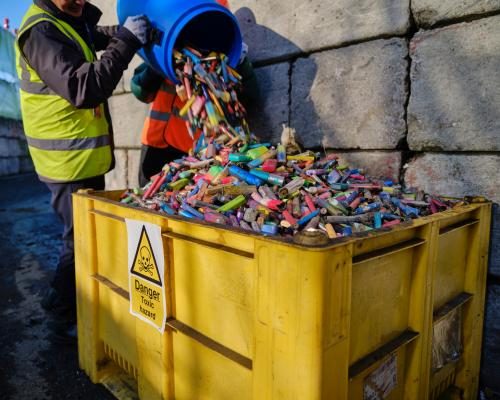
Good morning. Vaping has become an undeniable aspect of modern life in the UK, with 5.4 million adults engaging in the habit either daily or occasionally, according to recent figures from the Office for National Statistics (ONS). These colorful, single-use devices have sparked a heated debate, with proponents touting their health benefits as alternatives to traditional tobacco smoking, while critics raise concerns over addiction and environmental consequences.
In June 2022, the UK government initiated a ban on the sale of single-use vapes, aiming to curb both the environmental impact and the rising trend of vaping among young people. This legislation has led to a significant transformation in the market, limiting retailers to sell only rechargeable and refillable devices. Those who violate this regulation face initial fines of £200, with repeat offenders subject to unlimited fines or possible imprisonment. Originally reported by The Guardian.
Assessing the Ban's Effectiveness
As the ban takes effect, questions arise regarding its success. A recent report by Sarah Marsh, the Guardian's consumer affairs correspondent and a former vaper, highlights that while the number of disposable vapes discarded has dropped, the problem persists. About 6.3 million vapes and pods are still being thrown away each week, amounting to a nearly 25% decrease since the ban was implemented. This suggests some progress, but many waste management companies report ongoing difficulties associated with disposal and recycling.
Waste management firm Biffa indicates that the devices' batteries are frequently responsible for fires at waste disposal centers, underscoring the safety concerns linked to improper disposal. "What we are hearing from Biffa and other waste companies is that they still have a massive problem with the waste, and that has not really changed," Marsh noted. The environmental impact remains a significant concern, suggesting that the ban alone may not be sufficient to resolve these issues.
Behavioral Patterns Among Vapers
Despite the restrictions, it appears that the behavior of many vapers has not shifted significantly. Marsh recalls her own experience as a vaper, emphasizing how easy it was to misplace charging devices, making disposable options more appealing. "The behaviour of a lot of vapers has not really changed even with rechargeable vapes," she stated. This highlights a critical point: the convenience of single-use devices continues to lure users, even in the face of new regulations.
Moreover, the design and pricing of rechargeable vapes still contribute to their perceived disposability. Many vapers are either unaware of the need to recycle their devices or mistakenly believe that their vapes cannot be recycled at all. This lack of awareness complicates efforts to mitigate the environmental fallout from vaping.
Calls for Enhanced Recycling Initiatives
In light of these challenges, waste companies are advocating for more robust recycling initiatives to complement the ban. Suggestions include implementing a deposit reward scheme that incentivizes users to return their devices for proper disposal and redesigning vapes to be inherently less disposable. "If you introduce a ban like this but you don't put the support in place to achieve your goals, like making it easy for people to recycle, the ban isn't necessarily going to work," Marsh pointed out.
Creating more accessible recycling options could significantly reduce the environmental footprint of vaping. By increasing awareness and providing clear pathways for disposal, the government could enhance the impact of the ban. Additionally, manufacturers may need to consider the lifecycle of their products more seriously, designing vapes that encourage sustainable practices.
As the conversation continues about vaping's place in society, the effects of the single-use vape ban are still unfolding. While early indicators suggest some progress, the comprehensive solution to the challenges posed by vaping-both in terms of public health and environmental protection-remains elusive. Without additional support measures and a concerted effort to change consumer behavior, the ban may only be a partial response to a much larger issue.
Originally reported by The Guardian. View original.