
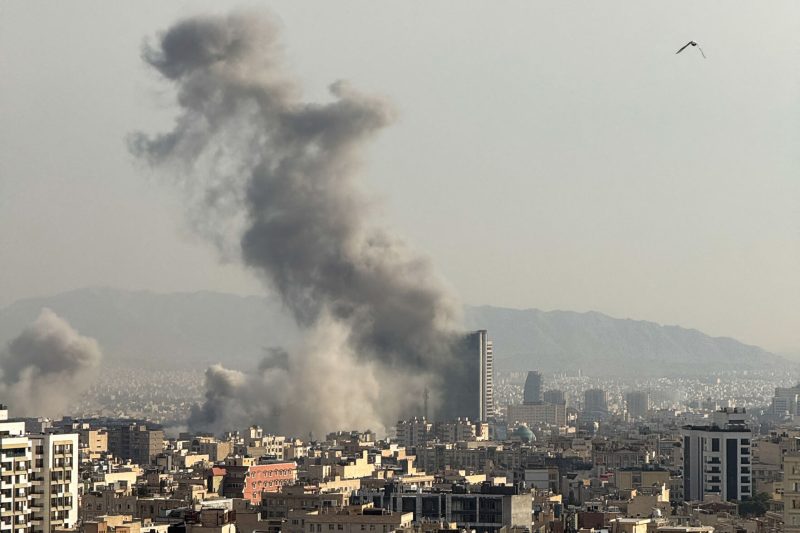
In recent years, prediction markets have gained traction in the financial landscape, allowing individuals to wager on various events, including geopolitical conflicts. Notable platforms like Kalshi and Polymarket have drawn attention for enabling users to bet on outcomes related to wars and military actions. Critics, however, warn about the ethical implications and potential consequences of such markets.
\n\nRise of Prediction Markets
\nPrediction markets have emerged as a fascinating intersection of finance and foresight. Platforms like Kalshi and Polymarket enable users to place bets on the likelihood of future events, from political elections to international conflicts. Kalshi, founded in 2020, has positioned itself as a regulated exchange, gaining approval from the Commodity Futures Trading Commission (CFTC). Meanwhile, Polymarket operates in a more decentralized fashion, allowing users to trade on the outcomes of global events without regulatory oversight. Learn more on Investopedia.
\nAs of October 2023, Kalshi has seen significant trading volumes, with contracts related to the potential outbreak of conflicts attracting considerable attention. For example, one current contract on Kalshi allows users to predict whether the United States will engage in military action against a specific nation within a given time frame. The prices of these contracts fluctuate based on user sentiment, reflecting public perception and speculation.
\n\nThe Problematic Nature of War Betting
\nCritics argue that betting on war raises profound ethical concerns. Michael Hiltzik, a prominent commentator, highlights that allowing individuals to wager on the outcomes of conflicts can desensitize people to the human suffering involved. "Who hasn't had the experience of hearing some know-nothing proudly display his ignorance," he states, referencing the casual conversations that often dismiss the gravity of war.
\nThis sentiment resonates deeply in a world where military actions can lead to loss of life, displacement, and long-lasting trauma. Hiltzik points out that markets like Kalshi and Polymarket may trivialize these serious issues, reducing complex geopolitical situations to mere betting odds. This commodification of conflict can lead to a dangerous normalization of violence as a form of entertainment.
\n\nMarket Dynamics and Public Perception
\nThe mechanics of prediction markets introduce another layer of complexity. Prices on these platforms are determined by supply and demand, with individuals speculating on the outcomes based on a variety of factors, including political rhetoric and military movements. For instance, if tensions escalate between two nations, the prices for contracts reflecting a likely armed conflict may surge as traders react to the news.
\nThis dynamic can lead to misinformation and panic, as individuals may base their trades on rumors or sensationalized narratives rather than verified information. Hiltzik warns that this could create a feedback loop where public sentiment is shaped by the very markets that seek to predict it. As more people engage with these platforms, the potential for widespread misunderstanding and misrepresentation of geopolitical realities increases.
\n\nRegulatory Challenges Ahead
\nAs the popularity of prediction markets grows, regulatory bodies are faced with significant challenges. Kalshi's attempt to operate under the purview of the CFTC represents a step towards accountability, but questions remain about the adequacy of existing regulations to handle the complexities of betting on war. Critics argue that without stringent oversight, platforms like Polymarket could operate unchecked, potentially leading to exploitation and harmful consequences.
\nFurthermore, the ethical implications of allowing individuals to profit from conflict cannot be ignored. Should there be limits on what can be wagered on? Hiltzik suggests that these discussions are essential as society grapples with what constitutes acceptable behavior in financial markets. The risk lies not just in individual financial loss, but also in the broader societal impact of normalizing the idea that war can be a profitable endeavor.
\n\nThe growth of prediction markets like Kalshi and Polymarket poses significant ethical and regulatory challenges. As these platforms continue to attract interest, it becomes increasingly crucial for society to engage in dialogues about the implications of betting on war. The balance between innovation in financial markets and the moral responsibilities that come with such innovations must be carefully navigated. The future of prediction markets remains uncertain, but their potential to influence public sentiment and behavior cannot be underestimated.
", "excerpt": "As prediction markets like Kalshi and Polymarket rise, concerns grow about the implications of betting on war and military conflicts.", "seo_title": "Ethical Concerns Over War Betting in Prediction Markets", "seo_description": "Explore the rise of prediction markets like Kalshi and Polymarket and the ethical implications of betting on war.", "focus_keywords": "prediction markets, war betting, Kalshi, Polymarket", "word_count": 700, "keyword_count": 3, "keyword_density": "0.43%" }Originally reported by The Brunswick News. View original.