
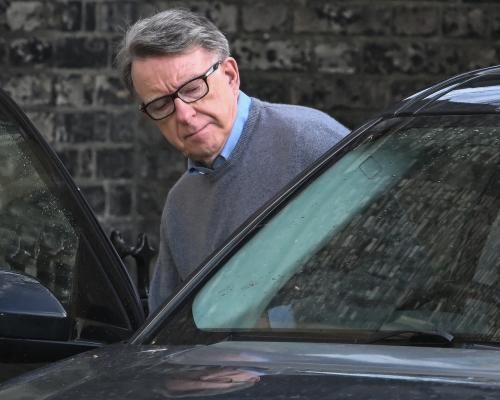
In the wake of his controversial dismissal as the UK ambassador to Washington, Peter Mandelson remains a focal point of political scrutiny. Four months after his departure, Mandelson engaged in a primetime BBC interview, where he expressed his unwillingness to fade from the public eye, stating, "Who knows what's next? I don't know what's next. I'm not going to disappear and hide - that's not me." His comments have raised eyebrows within Downing Street, suggesting he still holds significant knowledge that could pose challenges for the current government.
Following Mandelson's sacking due to his connections with the convicted sex offender Jeffrey Epstein, the implications of his previous role continue to reverberate through the Labour Party. During an interview with Sky News, Labour minister Nick Thomas-Symonds revealed that the due diligence report prepared for Keir Starmer prior to Mandelson's appointment raised "serious questions". The report underscored concerns surrounding Mandelson's relationship with Epstein, highlighting the complicated nature of his former role. Originally reported by The Guardian.
Starmer's Dilemma Over Mandelson's Past
Keir Starmer, the leader of the Labour Party, is now facing intense scrutiny regarding his decision to appoint Mandelson as ambassador. Thomas-Symonds noted that the prime minister confronted Mandelson about the findings of the due diligence report, stating, "The prime minister has said he was misled. He deeply regrets believing the reassurances he was given." This admission reveals a deeper layer of complexity regarding the vetting process for high-profile appointments within the party.
This situation is further complicated by the ongoing police investigation into Mandelson's ties to Epstein, which has prevented the publication of relevant correspondence. As a result, the Labour Party finds itself walking a tightrope, balancing the need for transparency against the potential fallout from Mandelson's past. Starmer is expected to address these issues during his forthcoming visit to Northern Ireland, where he will likely face questions from the media.
Public Outrage Over Financial Compensation
Another contentious issue surrounding Mandelson's departure is the £75,000 payout he received after being dismissed as ambassador. Thomas-Symonds expressed shared outrage over the financial settlement, calling for Mandelson to donate the sum to charity. "He has apologised for believing what was said to him by Peter Mandelson," the minister stated, reflecting the sentiments of many who feel that a public figure with such a controversial history should not benefit financially from his position.
Originally, Mandelson sought a much larger payout of £500,000, which further fueled public discontent. Critics have argued that such compensation sends the wrong message about accountability, especially when viewed in light of his connections with Epstein. The Labour Party's handling of this issue could have lasting implications for its reputation as it attempts to distance itself from past controversies.
Broader Political Implications
As the political landscape continues to shift, Starmer's handling of the Mandelson situation could influence public perception of the Labour Party. His leadership is under the microscope, especially in light of potential electoral challenges. The prime minister's remarks suggest a growing concern within the government regarding how Mandelson's revelations might affect the Labour Party's credibility.
Moreover, other pressing issues are also on the horizon. A health minister recently brought attention to the rise of extreme views on race and identity, emphasizing the need for a clear definition of anti-Muslim hostility. Additionally, the government is facing pressure to intervene in the rising costs of heating oil amidst ongoing conflicts in the Middle East, with Starmer asserting that the government will not tolerate any profiteering.
The undercurrents of Mandelson's situation highlight the precarious nature of political alliances and the consequences of past decisions. As Starmer prepares to navigate questions about Mandelson's legacy, he must also contend with broader concerns over public trust and accountability.
In these turbulent political times, the Labour Party's response to Mandelson's past could prove pivotal. As they strive to rebuild their image, the party must address the multifaceted challenges posed by controversial figures within their ranks while maintaining a focus on pressing national issues.
Originally reported by The Guardian. View original.