
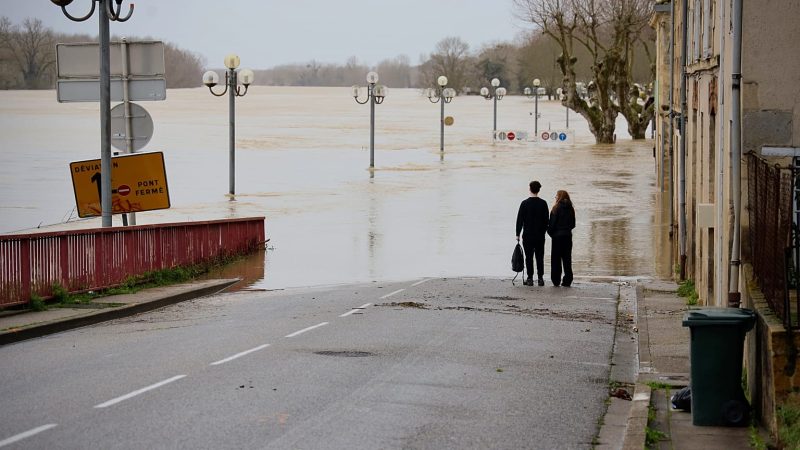
Severe weather conditions have gripped western France as Storm Pedro unleashes relentless rain and powerful winds, prompting four departments to remain on red alert for flooding. The storm's arrival has left over 1,700 residents evacuated from their homes in Lot-et-Garonne, with authorities warning of historic flooding in Angers and surrounding areas.
Storm Pedro's Impact on Western France
As Storm Pedro continues to batter western France, the latest forecasts from Météo France indicate that persistent winds could reach up to 140 kilometers per hour in some regions. The storm has already caused significant disruption, with Charente-Maritime, Gironde, Lot-et-Garonne, and Maine-et-Loire being the worst-affected departments. These areas are currently under red alert for flooding, while an additional nine departments are under orange alert for rain and flooding.
Records maintained by France's national flood monitoring service reveal that soil moisture levels have reached unprecedented heights, marking the highest figures since records began in 1959. The situation is particularly dire in Lot-et-Garonne, where flooding has forced approximately 1,700 individuals to evacuate their homes since February 10. The relentless rains, combined with saturated ground, threaten to exacerbate flooding conditions further as Storm Pedro progresses.
Historic Flooding in Angers
Authorities in Angers are grappling with severe flooding, which has reached historical levels not seen in a quarter of a century. Officials have taken drastic measures, including deliberately flooding roads along the Maine River to alleviate pressure on other parts of the waterway. This unusual tactic underlines the gravity of the situation as floodwaters have surged beyond the riverbanks, inundating surrounding areas.
Mayor Christophe Béchu of Angers emphasized the seriousness of the flooding, describing it as the highest level in 25 years. The severity of the conditions has prompted local government to take immediate action to protect the public and infrastructure. Residents in Angers and nearby towns face challenges as floodwaters disrupt daily life, leading to significant travel disruptions and a heightened sense of urgency among emergency responders.
Impacts on Local Infrastructure and Water Supply
In La Réole, located in Gironde, the situation has slightly improved with a minor decrease in Garonne water levels. However, the drinking water network has been severely disrupted, affecting several towns in the region. As the storm continues, local officials are monitoring the situation closely, implementing emergency measures to ensure the safety of residents and access to essential services.
With France experiencing consecutive weather alerts for 30 days, the pressure on local infrastructure is mounting. Emergency services are stretched thin as they respond to rising waters and the potential for further evacuations. The ongoing weather conditions highlight the growing challenges posed by severe weather events, which have become increasingly frequent in recent years.
A Broader Context of Climate Challenges
The severity of Storm Pedro and its impacts on western France reflect a broader trend of increasing extreme weather events influenced by climate change. Meteorologists warn that such storms are likely to become more frequent, and with them, the risks associated with flooding and severe winds will also rise. The ongoing situation serves as a stark reminder of the vulnerabilities faced by communities in the face of climate-induced natural disasters.
As communities brace themselves for continued rainfall and potential flooding, the resilience and preparedness of local authorities will be put to the test. Officials are urging residents to stay informed through weather updates and to heed evacuation orders where necessary. With Storm Pedro still in effect, the coming days will be critical in determining the extent of its impact and the recovery efforts that will follow.