
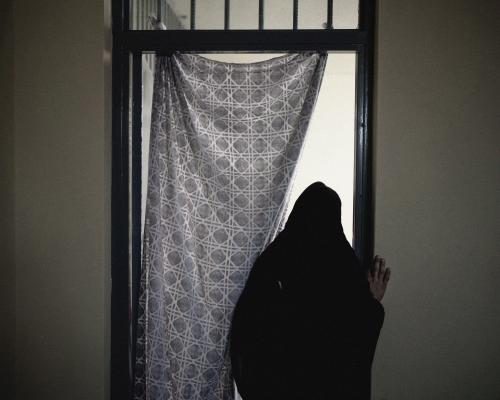
A disturbing case from northern Afghanistan has shed light on the alarming level of domestic violence against women under Taliban rule. Farzana*, a woman who endured years of abuse, recently sought a divorce from her husband after suffering a brutal beating. However, when her case reached a Taliban court, the judge's response was chilling: "You want a divorce just because of that?. A little anger and a few beatings won't kill you." This incident highlights the systemic failures in Protecting women's rights amid a regime that openly endorses violence against women.
Farzana's Harrowing Experience with Domestic Violence
Farzana's ordeal began with her husband's quick temper, which often escalated to physical abuse. She described a particularly brutal episode where he beat her with a mobile phone charger cable after she fell ill and couldn't prepare dinner. "The marks on my back and arms remained for several days, but I didn't think of taking photos that might one day help me in court," she recounted. Despite the relentless humiliation, including being called "disabled" due to a physical condition, she initially tolerated the violence for the sake of their children. Originally reported by The Guardian.
However, the incident that pushed her to seek a divorce was a culmination of years of abuse. After the beating, Farzana bravely decided to file for divorce, hoping for a chance at a life free from violence. Yet, her expectations were met with a harsh reality when she faced the Taliban court.
Taliban Court's Disturbing Verdict
When Farzana presented her case to the judge, she was met with skepticism and derision. "When I said he beats me and constantly humiliates and insults me, and that I want a divorce, the judge asked: 'You want a divorce just because of that? Don't you have another reason?'" The judge's dismissive attitude only escalated from there. When pressed for proof of her claims, Farzana was left powerless, as the court demanded evidence of abuse that was nearly impossible to provide.
The judge ultimately told her, "You were young and enjoyed your husband. Now that he is getting older you are making excuses to divorce him so you can marry someone else. Go back, you have a nice husband, live with him. A little anger and a few beatings won't kill you. Islam allows a man to beat his wife if she disobeys him, to discipline her. Go, and don't come again asking for divorce over such things." This verdict not only reflects the pervasive misogyny in the judicial system but also underscores the plight of women trapped in abusive relationships.
Legal Framework and Gender Apartheid
The Taliban's new criminal code has effectively legalized domestic violence by allowing husbands to beat their wives as long as they do not inflict "obscene force," such as fractures or visible bruises. This creates a horrific situation where men are granted a "license for domestic violence," with only minimal consequences for their actions. Shaharzad Akbar, head of the human rights organization Rawadari, emphasized that cases like Farzana's are now alarmingly commonplace. Women are left with few options, often facing further punishment for seeking to escape their abusive situations.
Activists, UN representatives, and legal experts have called this policy a form of gender apartheid, arguing that it systematically deprives women of their rights. Malala Yousafzai, the Nobel laureate, condemned the situation, stating, "This is not culture. It is not religion. It is a system of segregation and domination." The implications of this legal framework are dire, as women find themselves unable to escape violence or seek justice.
The Aftermath of a Broken System
Following the court's ruling, Farzana was forced to return to her husband, who has since escalated his violence. "He tells me: 'Either endure it or die,'" she said, revealing the grim reality many women face in similar situations. The judge's ruling also denied her the right to object to her husband taking a second wife, further entrenching her lack of agency.
UN Women's special representative in Afghanistan, Susan Ferguson, warned that silencing Afghan women sends a troubling message globally about the disposability of women's rights. The repercussions of such a stance are not only felt within Afghanistan but resonate worldwide, as they set a dangerous precedent for the treatment of women and girls everywhere.
As the situation continues to deteriorate for Afghan women, the international community faces an urgent call to action. The stories of women like Farzana must not be forgotten, as they exemplify the struggle against oppression and the need for a concerted effort to restore their rights and dignity.
Originally reported by The Guardian. View original.