
A federal judge has awarded $345 million in damages against Greenpeace in a lawsuit linked to the group's protests against the Dakota Access Pipeline. This staggering verdict has raised concerns within the organization, with leaders stating that such a financial blow could potentially lead to bankruptcy.
Impact of the Ruling on Greenpeace
The ruling, delivered by a judge in North Dakota, stems from a lawsuit filed by Energy Transfer Partners, the company behind the Dakota Access Pipeline. The lawsuit accused Greenpeace of conducting a campaign that allegedly caused significant financial harm to the company by promoting protests that disrupted construction activities. The $345 million verdict includes $300 million in punitive damages, a figure that Greenpeace leaders argue is excessive and unwarranted. Originally reported by r/environment.
Greenpeace's executive director, Annie Leonard, expressed deep concern over the ruling, stating, "This verdict could bankrupt us and silence our voices in the fight against climate change." The organization has long been involved in environmental activism, particularly opposing fossil fuel projects they believe threaten ecosystems and climate stability. With this ruling, Greenpeace faces an uncertain future as it grapples with potential insolvency.
Background on the Dakota Access Pipeline Controversy
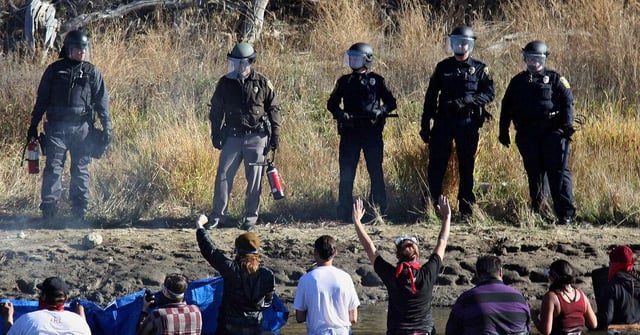
The Dakota Access Pipeline, which became operational in 2017, has been a focal point of environmental and social justice protests, particularly among Indigenous groups. The pipeline runs through lands that hold cultural significance for the Standing Rock Sioux Tribe, and activists have voiced concerns about potential oil spills threatening water supplies. Protests against the pipeline gained national attention in 2016, drawing thousands of demonstrators who camped out near the construction site.
Greenpeace played a prominent role in organizing these protests, utilizing its platform to raise awareness about the environmental risks associated with fossil fuel infrastructure. The organization has faced similar lawsuits in the past, but the scale of this verdict could have more severe implications, given the financial demands placed on the nonprofit.
Legal Ramifications and Future Implications
The ruling has sparked discussions about the legal protections afforded to nonprofit organizations engaged in political advocacy. Critics of the verdict argue that it sets a dangerous precedent by potentially hindering the ability of advocacy groups to operate effectively. Legal experts suggest that such substantial financial penalties could deter organizations from taking a stand on contentious issues like climate change and environmental justice.
Legal analysts are closely monitoring the case, noting that the ruling could be appealed. Greenpeace is reportedly considering its options, including the possibility of a legal challenge against the verdict itself. The organization's ability to mobilize resources for this legal battle will be crucial, especially given the financial strain imposed by the ruling.
Broader Reactions from Environmental and Legal Communities
The reaction to the verdict has reverberated through both environmental and legal circles. Many environmental advocates have rallied in support of Greenpeace, arguing that the ruling undermines the fundamental right to protest and advocate for environmental policies. Organizations such as the Sierra Club and 350.org have expressed solidarity, emphasizing the need for continued activism in the face of such challenges.
Conversely, proponents of the ruling argue that companies should have the right to seek compensation for damages caused by activist campaigns. Energy Transfer Partners has framed the lawsuit as necessary to protect its business interests against what it deems unlawful interference.
This situation highlights the ongoing tension between corporate interests and environmental activism in the United States. As the legal battles unfold, the outcome may influence future interactions between energy companies and advocacy groups, shaping the landscape for environmental activism.
The financial implications of the ruling against Greenpeace are stark. With a potential bankruptcy looming, the organization may be forced to reevaluate its strategies and funding mechanisms. As it stands, the verdict serves as a critical juncture not only for Greenpeace but also for the broader environmental movement. The outcome of any appeals or further legal actions could redefine the boundaries of advocacy in an era where climate change remains a pressing global concern.
Originally reported by r/environment. View original.