
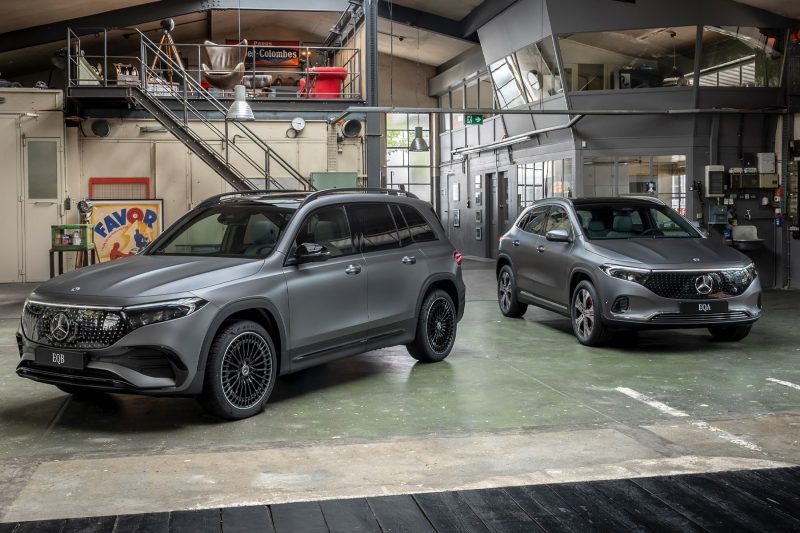
Mercedes-Benz is poised to initiate a comprehensive battery replacement program for its EQA and EQB electric vehicle models in Germany. This decision comes in light of ongoing battery issues that have already prompted global recall campaigns. While customers in North America and China have started receiving new battery packs, German owners are currently limited to a software update that has not effectively resolved the underlying problems.
According to reports from mb.passion, a blog known for its insights into the automotive brand, Mercedes informed its workshops on Monday about the forthcoming battery replacement initiative. The affected models, specifically the EQA 250+ and EQB 250+, utilize a 70.5 kWh battery pack containing cells from Chinese supplier Farasis Energy. Under certain conditions, these cells may develop internal short circuits, posing a potential fire risk.
Current Measures and Customer Frustration
Previously, Mercedes took steps to address the battery issue by implementing a software update for the battery management system. However, this fix came with significant drawbacks, including a notable reduction in both the usable energy capacity and charging performance of the vehicles. The limitations introduced by the software update resulted in dissatisfaction among customers, leading some to seek legal action through consumer law firms. They argued that the vehicles no longer met their originally advertised specifications.
As reported by mb.passion, the company viewed the software update as a temporary solution rather than a permanent fix. The anticipated battery replacement program aims to fully replace the problematic Farasis cells with new, technically sound batteries. The replacement process is expected to take around eight hours, effectively a full workday, but details remain sparse regarding which manufacturer will supply the new batteries or the specifications of the replacement units.
Anticipated Recall from Authorities
Mercedes is expected to receive a recall notification from the German Federal Motor Transport Authority (Kraftfahrt-Bundesamt) in the near future. Following this official communication, the automaker will reach out to affected customers to provide further instructions regarding the battery replacement process. Once the new batteries are installed, customers can anticipate improvements not only in the performance of their vehicles but also potentially in their resale value.
The communication strategy employed by Mercedes-Benz has drawn criticism from customers in Germany. While counterparts in North America and China have already had their battery packs replaced, German consumers have been left with only the temporary software solution. This disparity has led to feelings of frustration and mistrust among local owners, who are eager for a resolution that restores their vehicles to their intended performance levels.
Next Steps for Affected Customers
For German customers awaiting battery replacements, the upcoming recall and battery swap offer a glimmer of hope. The prospect of receiving a new battery pack, which would restore both the energy capacity and charging capabilities of their vehicles, is a significant development. This shift not only addresses immediate safety concerns but also aligns with Mercedes-Benz's commitment to customer satisfaction.
As the situation continues to unfold, it remains unclear how quickly the replacement program will be implemented and what impact it may have on the company's reputation in the electric vehicle market. Nevertheless, the anticipated response from Mercedes-Benz aims to reassure customers that their safety and satisfaction are priorities.
Implications for the Electric Vehicle Market
The upcoming battery replacements for the EQA and EQB models highlight broader challenges faced by electric vehicle manufacturers, particularly concerning battery safety and performance. As electric vehicles gain popularity, manufacturers are under increasing scrutiny regarding the quality and reliability of their battery systems. Mercedes-Benz's proactive approach to addressing the battery issues reflects an understanding of the importance of maintaining consumer trust.
Ultimately, the success of the battery replacement program will depend on effective communication and timely execution. A well-managed recall process could not only resolve current issues but also set a precedent for how the company addresses similar challenges in the future. As electric vehicle technology continues to evolve, maintaining high standards of safety and performance will be crucial for the industry as a whole.