
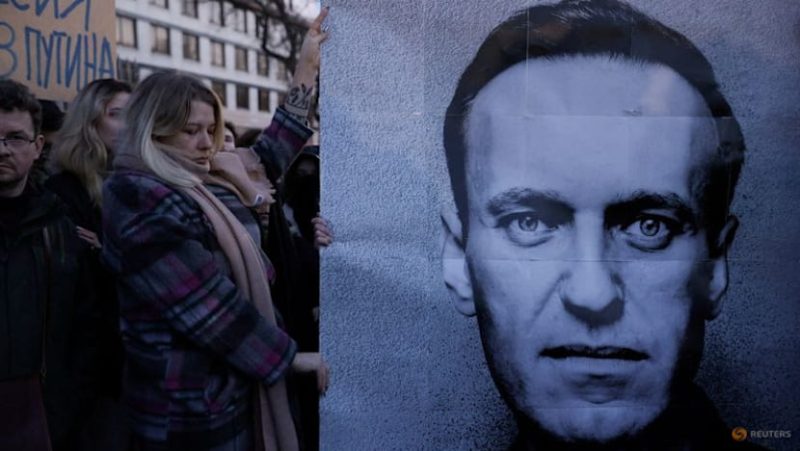
MOSCOW: The Kremlin has firmly rejected accusations from five European nations that Alexei Navalny, the prominent Russian opposition leader, was poisoned using a toxic substance derived from poison dart frogs. This denial comes as Navalny's widow asserts that the truth surrounding his death is finally emerging.
Navalny, known for his staunch criticism of President Vladimir Putin, died on February 16, 2024, while serving a sentence in the "Polar Wolf" penal colony, located about 1,900 kilometers (1,200 miles) northeast of Moscow. He was 47 years old. The Russian state attributed his death to natural causes, a claim that has been met with skepticism, especially following the accusations from European governments. His death occurred just a month before Putin was re-elected for a fifth term in a vote that was widely criticized by Western nations as neither free nor fair.
European Nations Present Evidence of Poisoning
On February 16, 2026, a joint statement from Britain, France, Germany, Sweden, and the Netherlands revealed that analyses of samples from Navalny's body had shown the presence of epibatidine, a potent toxin found in certain species of poison dart frogs native to South America. This toxin is not known to occur naturally within Russia, raising questions about how it could have entered Navalny's system.
The European leaders stated that Navalny's imprisonment provided the Russian state with the means, motive, and opportunity to administer this lethal substance. They emphasized the seriousness of the allegations, noting that the findings were a significant indicator of foul play. The joint statement has reignited discussions about the Kremlin's history of targeting political opponents, drawing parallels to the infamous Novichok poisoning incident involving former Russian agent Sergei Skripal in Salisbury, England, in 2018.
Kremlin's Strong Denial and Accusations of Propaganda
Kremlin spokesman Dmitry Peskov dismissed the allegations, asserting that Russia categorically rejects the claims made by these European nations. He described the accusations as biased and lacking any substantive evidence, stating, "Naturally, we do not accept such accusations. We consider them propaganda aimed at diverting attention from pressing Western issues." This statement reflects the Kremlin's ongoing strategy of deflecting blame and portraying itself as a victim of Western misinformation.
Maria Zakharova, a spokesperson for the Russian Foreign Ministry, previously indicated that Moscow would respond to the allegations once the involved countries released detailed test results. Until such information is made public, she has labeled these charges as unfounded and politically motivated. The Kremlin's responses exhibit a consistent pattern of denial, especially regarding allegations of state-sponsored violence against dissenters.
Navalny's Widow Calls for Accountability
In light of the recent claims, Navalny's widow has spoken out, asserting that the truth about her husband's death is finally coming to light. She has been vocal in her demand for accountability and justice, reinforcing the notion that the circumstances surrounding Navalny's demise warrant thorough investigation. Her statements reflect a growing public outcry for transparency regarding the Russian government's actions against political dissidents.
As international scrutiny intensifies, the calls for an independent investigation into Navalny's death are becoming more pronounced. The European nations involved in the investigation are likely to face pressure to pursue accountability and to hold those responsible for any wrongdoing to justice. This evolving narrative not only impacts the legacy of Navalny but also raises questions about the broader implications for human rights and political freedoms within Russia.
International Reactions and Implications for Russia
The allegations surrounding Navalny's death have reignited diplomatic tensions between Russia and Western countries. The response from the Kremlin underscores the geopolitical divide, as Russia continues to assert its sovereignty against what it perceives as Western interference. The accusations are likely to strain Russia's already fraught relations with the European Union and the United States, both of which have been critical of Russia's domestic policies and its treatment of opposition figures.
As the narrative unfolds, the call for justice for Alexei Navalny may become a rallying point for those advocating for democracy and human rights in Russia. The international community's response could influence future diplomatic engagements with Moscow, as well as impact the Kremlin's approach to dissent within its borders. The ongoing saga of Navalny's tragic fate serves as a reminder of the precarious state of political freedoms in Russia and the lengths to which the regime may go to silence its critics.