
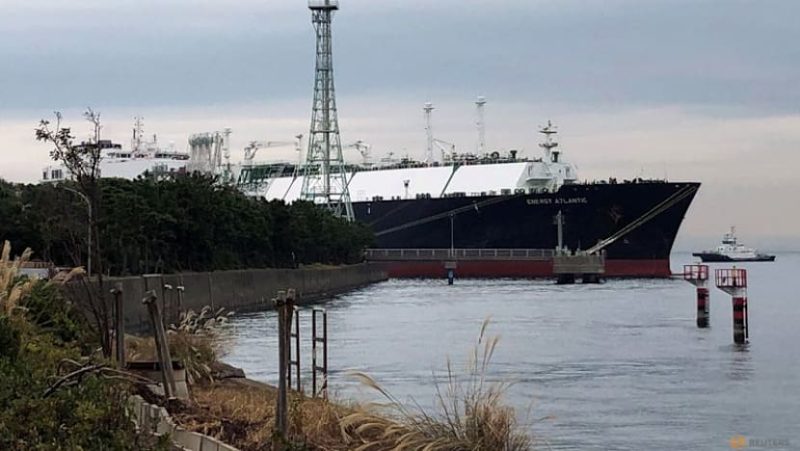
Japan's major utilities have ramped up their liquefied natural gas (LNG) reserves by 10% to 2.19 million metric tons, according to the Ministry of Economy, Trade and Industry (METI). The increase comes amid ongoing geopolitical tensions in the Middle East, particularly following recent hostilities involving Iran. Despite these developments, METI has indicated that there have been no requests for emergency LNG supplies, suggesting that the country's energy security remains stable for now.
Significant Increase in LNG Stockpiles
Last week, Japan's LNG stockpiles rose to 2.19 million metric tons, up from 2 million tons just a week earlier. This stockpile is estimated to cover approximately 12 days of domestic consumption based on usage figures for the week ending March 1. The increase follows METI's ongoing monitoring of Japan's energy needs, with the ministry noting that there have been no calls for emergency supply usage as of yet. The uptick in reserves is a proactive measure amid growing concerns over global energy supply disruptions. Learn more on Investopedia.
Geopolitical Tensions Impacting Global Energy Markets
The geopolitical landscape has shifted dramatically in recent weeks, particularly due to escalating tensions in the Middle East. Japan imports roughly 11% of its LNG from key suppliers in the region, including Qatar, Oman, and the United Arab Emirates. However, only about 6% of these shipments currently pass through the critical Strait of Hormuz, which has faced disruptions due to military actions involving the U.S. and Israel against Iran. As a result of these hostilities, global oil and gas prices have surged, with energy exports from the Middle East severely impacted. The situation has raised concerns about potential supply shortages, prompting utilities to bolster their reserves.
Strategic Measures by Japan's Major Utilities
JERA, Japan's largest LNG buyer, has been directed by METI to secure at least one LNG cargo-approximately 70,000 tons-each month as part of the Strategic Buffer LNG (SBL) scheme. This measure is intended to mitigate potential supply risks associated with the ongoing tensions. A METI official stated, "We have not received any requests for support from electric power or gas companies for SBL usage." This reassurance indicates that, despite the geopolitical strife, no immediate LNG shortage risk is anticipated.
Current Inventory Levels and Future Outlook
Overall, Japan maintains over 4 million tons of LNG in storage, according to analyst Go Katayama from Kpler. This substantial reserve provides a buffer against disruptions, particularly given that only 0.1 million tons per week flow through the Strait of Hormuz. Katayama remarked that in a scenario of a complete closure of the Strait and stable demand conditions, Japan's inventories could supply the nation for approximately 44 weeks, or close to a year. This level of preparedness underscores Japan's resilience in the face of potential energy supply shocks.
While Kansai Electric Power sources about 13% of its LNG from Qatar, company representatives expressed concerns regarding the potential for supply chain disruptions if the current geopolitical situation persists. However, JERA's operations have not yet felt the impact of the conflict, with no LNG vessels reported as affected by the turmoil in the Gulf region.
As Japan continues to navigate the complexities of global energy markets amid rising tensions, the government and utilities remain focused on ensuring a stable and secure energy supply. The recent increase in LNG reserves reflects a proactive approach to energy security, as authorities monitor the evolving situation closely. For now, Japan appears well-prepared to address any potential disruptions, though ongoing developments in the Middle East will undoubtedly continue to shape its energy Strategy.
Originally reported by Channel Newsasia. View original.