
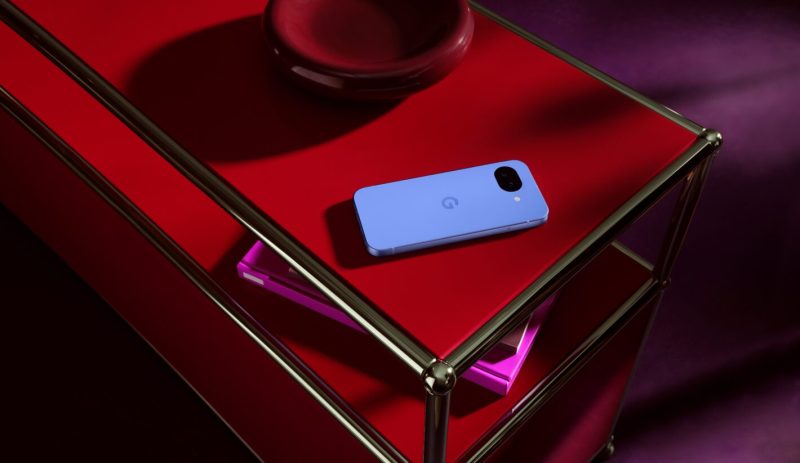
The Google Pixel smartphone series has made significant strides since its inception in 2016. With the recent launch of the Pixel 10a in February 2026, the lineup has evolved considerably, introducing a variety of devices that cater to a broad audience. From its initial two models to the expansion into mid-range options and flagship devices, Google's smartphone journey reflects a commitment to innovation.
The Birth of the Pixel Series
In October 2016, Google unveiled the first two smartphones under the Pixel brand: the Google Pixel and the Pixel XL. These devices marked a departure from the Nexus lineup, signaling a shift toward mainstream consumers rather than just developers and enthusiasts. This change left many loyal Nexus fans disappointed, but it also allowed Google to tailor its offerings to a wider audience.
Both the Pixel and Pixel XL featured a design that combined metal and glass, a significant departure from the all-plastic look of many competitors at the time. Despite sharing a similar aesthetic, the two models differed in size, with the Pixel showcasing a 5-inch full HD display and the Pixel XL boasting a larger 5.5-inch QHD AMOLED panel. They were powered by the Snapdragon 821 processor and offered options of 32GB or 128GB of internal storage, but notably lacked expandable storage.
Camera quality was a standout feature, with a 12.3-megapixel rear camera that was widely regarded as one of the best in its class. Both models also included an 8-megapixel front camera, catering to the growing trend of selfies. The devices were equipped with a 2,770mAh battery in the Pixel and a more robust 3,450mAh in the Pixel XL, both of which were splash and dust resistant.
Expansion of the Pixel Lineup
Following the success of the original models, Google continued to expand the Pixel lineup. In 2017, the Pixel 2 and Pixel 2 XL were introduced, further refining the camera capabilities and design elements. The Pixel 2 XL, in particular, received accolades for its nearly bezel-less design and enhanced display technology.
Google added mid-range options to its catalog in later years, appealing to a broader audience. The Pixel 3a and 3a XL, launched in 2019, featured many of the same camera advancements as their flagship counterparts but at a more accessible price point. This strategy proved successful, with strong sales numbers reflecting the demand for high-quality smartphones without the premium price tag.
In 2020, Google introduced the Pixel 4 and Pixel 4 XL, focusing on improved software features, including advanced AI capabilities and the introduction of Motion Sense technology. The following years saw the addition of the Pixel 5, which embraced a more environmentally conscious design and 5G connectivity, further solidifying Google's commitment to innovation.
The Latest Innovations: Pixel 10a
February 2026 marked the unveiling of the Google Pixel 10a, the latest addition to the lineup. This model continues the trend of providing consumers with both flagship and mid-range options. As the smartphone market becomes increasingly competitive, the Pixel 10a aims to offer features that appeal to tech enthusiasts while remaining budget-friendly.
Though specific details about the Pixel 10a's specifications are still emerging, it is expected to build on the strengths of its predecessors by enhancing camera technology and processing power. This device is part of Google's ongoing effort to make its technology accessible while ensuring that it meets the demands of modern smartphone users.
The introduction of the Pixel 10a illustrates Google's strategy of releasing multiple models within a single year, allowing them to cater to various consumer preferences. This approach not only broadens their market but also reinforces their position as a leader in smartphone innovation.
A Look Ahead
As Google continues to evolve its Pixel smartphone series, the company remains focused on integrating cutting-edge technology with user-friendly features. The transition from the Nexus to the Pixel lineup has been significant, reflecting a more consumer-oriented approach. With each new release, Google aims to enhance user experience, pushing the boundaries of smartphone capabilities.
Looking forward, the Pixel series is expected to introduce more models that blend affordability with advanced technology. Given the fierce competition in the smartphone market, consumers can anticipate exciting developments as Google strives to maintain its innovative edge. The journey of the Pixel series is far from over, and it will be interesting to see how Google adapts to the evolving needs of its users.