
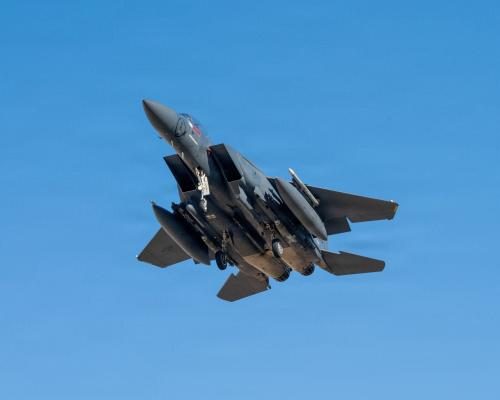
When it comes to a timeline of the two us military jets shot down by iran forces, in a dramatic escalation of military tensions in the region, Iranian forces shot down two US military jets within days of each other, marking a stark reminder of the ongoing conflict involving the United States and Israel in Iran. The incidents, which resulted in the loss of an F-15E Strike Eagle and an A-10 Warthog, have raised concerns about the effectiveness of Iranian air defenses, contradicting earlier assessments made by the Trump administration.
Understanding A Timeline Of The Two US Military Jets Shot Down By Iran Forces
The first incident occurred overnight on April 3, 2026, when an F-15E Strike Eagle, part of the 48th Fighter Wing stationed in Europe, was brought down by Iranian forces. This event is notable as it is reportedly the first US aircraft lost to enemy fire in the current conflict. Following the downing, images of the wreckage circulated widely on social media, heightening anxieties over the situation. Originally reported by The Guardian.
Just a day later, a second aircraft, an A-10 Warthog, was also struck by Iranian fire. The pilot, who managed to navigate the aircraft into Kuwaiti airspace before ejecting, was successfully rescued according to reports from the Washington Post. These two incidents highlight the precarious nature of military operations in the region, where the risks have escalated dramatically.
A Complex Rescue Operation
The rescue mission for one of the F-15 pilots unfolded within hours of the downing. A pilot from the F-15E was rescued approximately seven hours later, aided by two US military helicopters. However, the rescue operation was not without complications; one of the helicopters was reportedly hit by small arms fire, resulting in injuries to some crew members. The helicopter managed to return safely, and those injured were given medical attention.
Meanwhile, details surrounding the fate of the second airman, the F-15's weapons officer, remained unclear. US officials provided little information about whether he had ejected safely, was hiding, or had been captured. The search intensified as Iranian and US forces raced to locate the missing officer, who was later described as seriously injured, armed only with a pistol, and navigating treacherous terrain.
Bravery Under Fire
Reports indicated that the downed officer managed to evade Iranian forces while taking refuge on a 7,000-foot ridge near Isfahan. As Iranian troops approached his position, US MQ-9 Reaper drones were employed to deter them. The officer was able to maintain contact with US forces through an encrypted radio, showcasing impressive resilience under pressure.
The CIA played a crucial role in the subsequent rescue efforts, reportedly utilizing a ruse to mislead Iranian forces. By disseminating disinformation suggesting the airman had already been rescued, they were able to create a diversion. The Pentagon then ordered a rapid rescue operation involving multiple MC-130J Air Force special operations transport planes.
Successful Recovery and Iranian Response
On April 5, 2026, former President Donald Trump announced the successful rescue of the missing airman, declaring, "WE GOT HIM!" He praised the operation as one of the most daring in US military history, emphasizing the skill and bravery of the rescuers who successfully extracted the officer from behind enemy lines. Trump described the incident as an "Easter miracle," given the dangers involved.
In response, Iranian military officials dismissed the US operation as a "so-called military rescue operation," suggesting it was a mere ruse for escape. Ebrahim Zolfaghari, a spokesman for the Iranian military's central command, claimed the operation was executed at an abandoned airport in Isfahan province.
This sequence of events underscores the increasing volatility in the region, as both nations grapple with the implications of military engagements and air defenses. The successful recovery of the US airman has been seen as a significant morale booster for US forces, while Iran's swift response emphasizes the ongoing tensions and potential for further escalation.
As military operations continue in the region, the implications of these incidents will likely reverberate for both the US and Iran. The ability of US forces to conduct successful rescue missions highlights their capabilities, but the resilience of Iranian defenses raises critical questions about the future of air operations in this volatile landscape.
Originally reported by The Guardian. View original.