
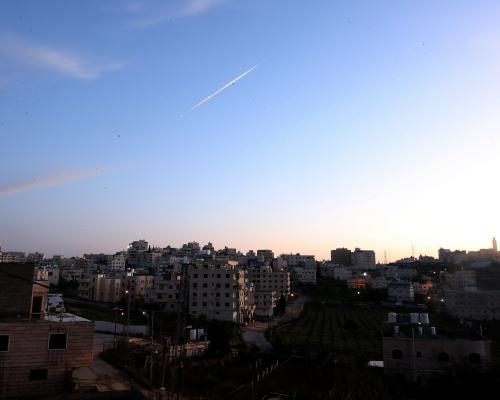
In a dramatic escalation of tensions in the Middle East, Iran's Revolutionary Guards have confirmed the launch of missile and drone strikes targeting aluminium plants in Bahrain and the United Arab Emirates (UAE) over the weekend. This military action is framed as a response to recent attacks on Iranian industrial sites, which Tehran attributes to US-Israeli operations conducted from bases in the Gulf states.
Strikes Target US-Military Linked Industries
The Islamic Revolutionary Guard Corps (IRGC) announced that the strikes were aimed at facilities they claim are connected to the US military. In a statement broadcasted by Iran's state media, the IRGC specifically mentioned the aluminium facility in the UAE and Aluminium Bahrain, one of the largest producers of aluminium worldwide, asserting that these sites are affiliated with US military interests in the region. Originally reported by The Guardian.
Aluminium Bahrain reported that two employees sustained minor injuries due to the attack on their facility on Saturday. The strikes mark a continuation of a pattern of retaliation since the onset of conflict in the Middle East, which intensified following a series of US-Israeli attacks on Iranian infrastructure that began in late February.
Impact on Maritime Operations Amid War
Seafarers across the Gulf are sounding alarms as they find themselves trapped amid the ongoing conflict. Helplines for seafarers have reported a surge in urgent requests for assistance, with crews pleading for basic provisions and safe repatriation. An email received by the International Transport Workers' Federation (ITF) highlighted a dire situation onboard a vessel, stating, "Immediate supply of food, drinking water, basic necessities is required to sustain the crew." Since the war escalated, ITF has received over 1,000 communications from seafarers stranded in the region, particularly around the crucial Strait of Hormuz.
The urgency of these requests underscores the broader implications of the ongoing conflict, as shipping routes vital for global trade remain threatened. With Iranian missile attacks increasingly targeting Gulf countries, the maritime community is on high alert regarding the safety and stability of these vital trade corridors.
Houthis Join the Fray with New Attacks
Meanwhile, Yemen's Iran-aligned Houthi movement has confirmed a second wave of attacks on Israel, further complicating the regional security landscape. Houthi military spokesperson Yahya Saree stated in a televised address that the group had launched a "barrage of cruise missiles and drones" aimed at Israeli military installations, vowing to continue these operations until Israel halts its assaults. This escalation poses a direct threat to the Bab al-Mandab strait, a significant maritime chokepoint at the southern end of the Red Sea, which is crucial for global energy supplies and trade.
The Houthis' involvement not only heightens the risks of regional instability but also threatens to exacerbate the existing humanitarian crisis in Yemen, where millions are already suffering from the effects of war. As Iran tightens its grip on the Strait of Hormuz, the potential closure of the Bab al-Mandab could have dire consequences for international shipping and economic stability.
US Military Readiness and Regional Responses
In response to the escalating situation, the Pentagon is reportedly preparing plans for ground operations in Iran, which may include targeted raids on strategic locations such as Kharg Island and coastal sites near the Strait of Hormuz. Although no deployment has been approved by President Donald Trump, the military's readiness indicates a serious commitment to counter what it perceives as growing threats from Iranian forces.
Additionally, Iranian Crown Prince Reza Pahlavi has publicly expressed his readiness to lead a new government in Iran, calling on citizens to rise against the current regime when the time is right. His comments come amid increasing tensions and calls for change within Iran, reflecting the complex dynamics at play in both domestic and international arenas.
As the situation continues to unfold, Iran's Revolutionary Guards have issued a warning to US universities in the region, threatening retaliation if attacks on Iranian educational institutions are not condemned by the US government. This is indicative of the broader geopolitical ramifications of the ongoing conflict, which involves multiple stakeholders and could potentially reshape alliances across the Middle East.
As the conflict in the Middle East intensifies, the global community watches closely, aware that the repercussions of these developments will extend far beyond regional borders. With various factions engaged and international interests at stake, the path forward remains fraught with uncertainty and potential for further escalation.
Originally reported by The Guardian. View original.