
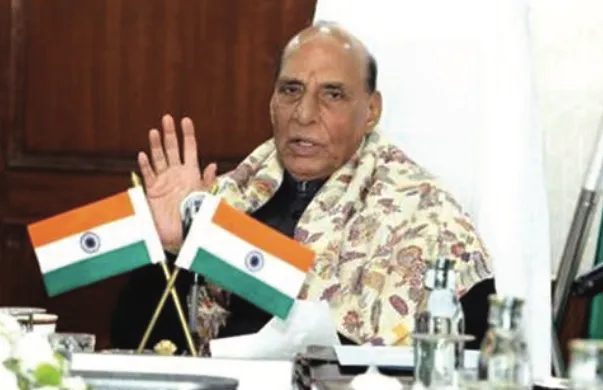
Defense Minister Rajnath Singh conducted a comprehensive review of indigenous aero engine projects at the Defence Research and Development Organisation (DRDO) in Bengaluru, highlighting India's commitment to self-reliance in military technology. The review took place on October 21, 2023, where the Minister assessed the progress of various engine projects, underscoring the importance of indigenization in enhancing national security.
Inspection of the Kaveri Engine
During his visit, Singh was presented with a full afterburner engine test of the Kaveri engine, a significant component in India's aviation advancements. The Kaveri engine, developed by DRDO, is aimed at powering the country's Light Combat Aircraft (LCA) Tejas. This engine project has faced numerous challenges over the years but continues to gather momentum, reflecting India's dedication to developing its own aerospace capabilities.
The Kaveri engine project exemplifies India's efforts to reduce dependence on foreign technology. Singh's observation of the afterburner test is a testament to the progress made since the project's inception. The Kaveri engine, once operational, is anticipated to provide not only enhanced performance but also a strategic advantage in aerial combat scenarios.
Showcasing Indigenous Innovations
Singh also attended an exhibition showcasing a variety of indigenous engines and components, offering insight into the extensive research and development efforts by DRDO. The exhibition featured an array of engines designed for various applications, including military and civilian aircraft. The Minister highlighted the need for continuous innovation in the aerospace sector, asserting that self-reliance is crucial for national security.
Among the displayed technologies, several components are part of ongoing projects aimed at enhancing the efficiency and performance of both military and commercial aircraft. Singh's remarks during the exhibition emphasized the potential economic benefits of developing homegrown technologies, which could lead to job creation and a strengthened defense industrial base.
Strategic Importance of Indigenization
The Minister's review comes at a time when India is increasingly focusing on indigenization in defense procurement. The government has set ambitious targets to boost domestic manufacturing and reduce reliance on imported military hardware. Singh reiterated that developing indigenous aero engines is vital not just for self-sufficiency but also for bolstering India's defense capabilities.
India has historically relied on foreign suppliers for critical defense technologies, but recent geopolitical tensions have accelerated the push for self-reliance. By investing in indigenous projects like the Kaveri engine, the government aims to build a robust defense ecosystem that can respond swiftly to emerging threats. Singh's visit to DRDO underscores the strategic importance placed on these initiatives.
Future Prospects and Challenges
The path to successfully developing indigenous aero engines is fraught with challenges, including technological hurdles and the need for extensive testing. Singh acknowledged these challenges but remained optimistic about the future of India's aerospace sector. He emphasized the importance of collaboration between public and private sectors to accelerate development timelines and enhance innovation.
As India aims to establish itself as a global player in defense manufacturing, the success of projects like the Kaveri engine will be pivotal. The government's commitment to funding and supporting these initiatives is expected to yield long-term benefits, not only advancing military capabilities but also contributing to the overall economic growth of the country.
Rajnath Singh's review at DRDO marks a significant step in India's journey towards self-reliance in defense technology. The Kaveri engine and other indigenous projects represent a commitment to building a sustainable and independent defense industry. As these initiatives progress, they hold the promise of transforming India's military aviation landscape and enhancing national security in the years to come.