
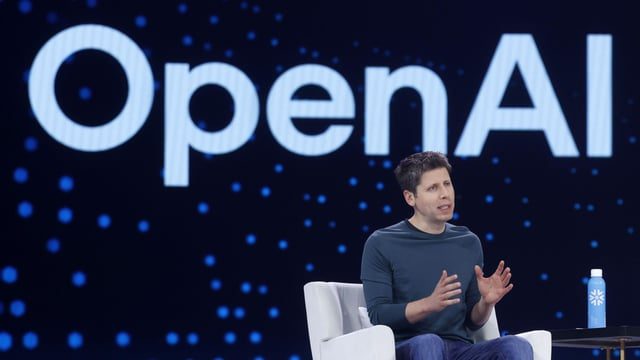
In a controversial move, OpenAI has entered a partnership with the U.S. military, prompting a surge in the 'cancel ChatGPT' movement among users concerned about ethical implications. This deal raises questions about the technology's role in warfare and its alignment with OpenAI's mission to ensure artificial intelligence benefits humanity.
OpenAI's Military Contract Sparks Backlash
On October 25, 2023, OpenAI announced a significant collaboration with the U.S. Department of Defense. The specifics of the arrangement reportedly involve integrating ChatGPT technology into military operations, allowing for advanced data analysis and strategic decision-making. This partnership has triggered a wave of protests online, with hashtags like #CancelChatGPT trending on social media platforms. Critics argue that such a partnership contradicts OpenAI's stated goal of promoting safe and ethical AI. Originally reported by r/technology.
Many users express deep disillusionment with OpenAI, emphasizing that the integration of AI into military frameworks poses risks of misuse and ethical violations. "No ethics at all," one user lamented, highlighting the widespread sentiment that the company is straying from its foundational principles. As the backlash grows, some users are calling for boycotts of OpenAI products, fearing that their use could inadvertently support military actions.
Concerns Over AI in Warfare
The ethical implications of utilizing AI technologies in military contexts are multifaceted and deeply complex. Advocates for peace and responsible tech usage warn that AI's deployment in warfare could lead to increased surveillance, autonomous weapons, and even a higher likelihood of conflict escalation. "The potential for AI to make life-and-death decisions is troubling," remarked Dr. Sarah Thompson, an AI ethics researcher. The fear is that reliance on AI could diminish human oversight in critical situations.
Furthermore, concerns extend beyond immediate military applications. Critics argue that once militaries adopt AI technologies, it paves the way for other nations to follow suit, potentially leading to an AI arms race. The prospect of AI-enhanced warfare raises alarms, as technology could outpace ethical regulations and lead to unintended consequences. Many believe that OpenAI's decision jeopardizes global safety and reinforces a militaristic approach to technological advancement.
Public Reaction and Calls for Accountability
The public outcry over OpenAI's military partnership has been notable, with numerous tech experts and activists joining the conversation. Many are demanding greater transparency from OpenAI about the nature of its collaboration with the U.S. military. "We need to hold companies accountable for their choices," said activist Emily Garcia. "This is not just about profit; it's about the future of humanity."
In response to the backlash, OpenAI has released statements emphasizing its commitment to ethical AI development. However, critics argue that mere assurances are insufficient in light of the potential ramifications of its military partnership. Some even call for a reevaluation of AI's role in society, suggesting that companies prioritize ethical considerations over financial incentives.
As the 'cancel ChatGPT' movement gains traction, it's clear that users are increasingly vigilant about the ethical dimensions of technology. Many are advocating for a shift toward more responsible tech practices that prioritize human rights and social good. The potential for technology to be weaponized is a significant concern that resonates deeply with those who see AI as a tool for positive change rather than destruction.
Future Implications for AI and Society
The implications of OpenAI's partnership with the U.S. military extend far beyond immediate public sentiment. As AI continues to evolve, the intersection of technology and ethics will become even more critical. The ongoing debate highlights the need for robust regulations that govern AI's development and deployment, particularly in sensitive areas like defense.
Looking ahead, it's essential for tech companies to engage with public concerns and foster dialogue around ethical practices. OpenAI's current situation serves as a cautionary tale for other organizations navigating the complex landscape of AI technology. The demands for accountability are likely to shape how companies operate in the future, pushing them to consider the broader implications of their innovations.
As conversations surrounding AI ethics continue to unfold, the outcome of this tumultuous period may influence how society perceives and interacts with technology. The tension between progress and responsibility remains a defining challenge for the AI community, one that will require careful navigation to ensure a future where technology serves humanity rather than harms it.
Originally reported by r/technology. View original.