
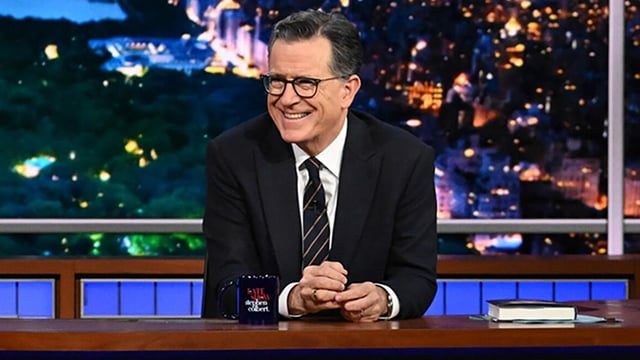
In a surprising revelation, Stephen Colbert disclosed that CBS blocked an interview with Texas State Representative James Talarico due to fears surrounding the Federal Communications Commission's (FCC) equal time rule. This incident underscores the complexities media outlets face in navigating political content, especially during an election year.
Colbert's Unexpected Announcement
During a recent episode of "The Late Show with Stephen Colbert," the host shared a significant update regarding his planned interview with Talarico, a Democrat representing District 121. Colbert explained that CBS executives expressed concerns about violating the FCC's equal time rule, which mandates that broadcasters provide equal airtime to all political candidates running for office. This regulation is particularly pertinent in an election year, when media appearances can influence voter perceptions and outcomes.
Colbert didn't hold back his disappointment regarding the decision, noting the absurdity of the situation. He highlighted how it restricts discourse in an age where political conversations are crucial, especially as the country approaches significant elections. The comedian emphasized that while Talarico's insights could enrich the public dialogue, regulatory fears led to a missed opportunity.
Understanding the FCC's Equal Time Rule
The FCC's equal time rule is designed to ensure fairness in political broadcasting. It requires that if a broadcaster allows one candidate to appear on-air, they must also offer the same opportunity to their opponents. This rule aims to prevent media favoritism and ensure a balanced representation of viewpoints.
However, the rule can create complications for television networks, especially during heated election cycles. In Colbert's case, CBS's decision reflects a cautious approach to compliance, prioritizing regulatory adherence over the potential benefits of featuring diverse political voices. Critics argue that such caution may stifle important political discussions and limit platforms for emerging leaders.
The Ripple Effects on Political Discourse
Colbert's experience raises questions about the broader implications for political discourse in media. With the landscape increasingly polarized, the reluctance of networks to feature certain candidates can lead to an echo chamber effect, where only popular or mainstream voices receive airtime. This can hinder the public's ability to hear from a variety of perspectives, particularly those of lesser-known candidates who may offer innovative solutions or ideas.
The decision to block Talarico's interview could also discourage other media outlets from engaging with emerging political figures, fearing similar repercussions. As the nation heads into critical elections, the stakes are high for candidates trying to make their voices heard, and media platforms play an essential role in amplifying those voices.
Colbert's Role in Political Commentary
Stephen Colbert has long been recognized for his sharp political commentary and willingness to tackle contentious issues. His show serves as a platform for political discussion, often featuring a range of guests from various political backgrounds. The decision by CBS to block Talarico's interview contradicts the show's mission of fostering open dialogue and critical engagement with political matters.
While Colbert's comedic approach often lightens the tone of political discussions, his interviews frequently delve into serious topics, providing viewers with valuable insights into the political landscape. The absence of a discussion with Talarico not only represents a loss for the show but also for viewers seeking a broader understanding of the issues at play in Texas politics.
Looking ahead, it remains to be seen how CBS and other networks will navigate the challenges posed by the FCC's equal time rule while balancing the need for diverse political representation. As the political climate intensifies, media outlets must grapple with these regulations while striving to maintain their roles as platforms for meaningful discourse. The hope is that, despite regulatory hurdles, networks will continue to champion political voices that challenge the status quo and engage viewers in critical conversations.