
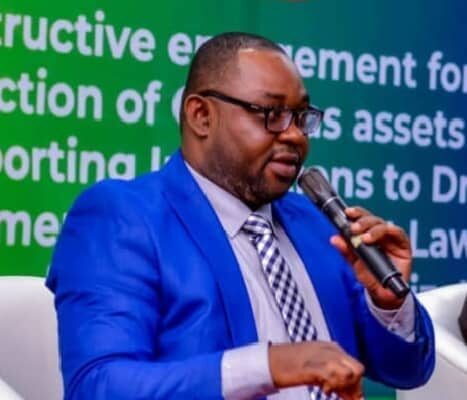
In a pressing call to action, Prof. Chinedu Ogwus, the regional director for Africa in Robotics and Autonomous Systems, has urged for a more robust regulatory framework governing social media in Nigeria. Speaking at a recent forum, Ogwus highlighted the crucial role that properly managed social media can play in nation-building and enhancing the country's global image. His remarks come amid growing concerns about the misuse of digital platforms and their impact on society.
Urgency of Social Media Regulation
Prof. Ogwus emphasized that the need for effective regulation is becoming increasingly urgent. He pointed out that social media, while a powerful tool for communication and information sharing, has also been a source of misinformation and abuse. "We must address these critical areas of abuse within the digital landscape to harness its full potential for the benefit of our nation," he stated. The professor's comments reflect a broader sentiment among experts who believe that without proper oversight, the risks associated with social media could outweigh its benefits.
The forum where Ogwus spoke gathered various stakeholders, including policymakers, educators, and technology experts, who all echoed his concerns. They argued that a strategic approach to regulating social media is essential for fostering a healthier information environment. With Nigeria's youth being among the most active users of social media globally, the stakes are high. The potential for misinformation to influence public opinion and even incite violence is a reality that cannot be ignored.
Potential Impact on Nation-Building
Ogwus articulated a vision where a well-regulated social media environment could significantly contribute to nation-building. He highlighted how transparency and accountability in digital communications could help reinforce democratic values and civic responsibility. "If we can create a framework that fosters responsible use, we can empower our citizens to engage meaningfully in the democratic process," he remarked.
The professor also pointed to successful regulatory models from other countries that have effectively mitigated the negative impacts of social media. For instance, he cited approaches that prioritize user education, promote digital literacy, and encourage ethical standards in digital communications. By adopting similar strategies, Nigeria could leverage its vibrant social media landscape to enhance civic engagement and foster a more informed citizenry.
Addressing Misuse and Abuse
One of the primary concerns raised by Ogwus is the rampant abuse of social media platforms, including cyberbullying, hate speech, and the spread of false information. He noted that these issues not only harm individuals but also threaten social cohesion. "We need regulations that can effectively combat these abuses while respecting freedom of expression," he stated.
The call for regulation is not without its critics, however. Some argue that overly stringent measures could infringe on personal freedoms and stifle free speech. Ogwus acknowledged these concerns, advocating for a balanced approach that protects users without compromising their rights. This nuanced perspective is essential as Nigeria continues to navigate the complexities of social media regulation.
Looking Ahead: A Collaborative Effort
As the dialogue around social media regulation unfolds, Ogwus stressed the importance of collaboration among various stakeholders. He believes that government agencies, private sector players, and civil society must come together to design a regulatory framework that is both effective and inclusive. "This isn't just a government issue; it's a shared responsibility that requires input from all sectors of society," he said.
In the coming months, Ogwus plans to engage with various stakeholders to facilitate discussions on the proposed regulatory framework. The goal is to create a comprehensive set of guidelines that can adapt to the fast-changing nature of social media while safeguarding the rights of users. The professor's proactive approach reflects a growing recognition that the future of Nigeria's digital landscape depends on collective action.
So, the call for a stronger social media regulatory framework in Nigeria is not just a matter of policy, but a crucial step toward nation-building and improving the country's global image. As the world grows more interconnected, developing a responsible and ethical social media environment will be vital for harnessing its potential benefits while mitigating its risks.