
As tensions escalate between the United States and Iran, experts warn that the ongoing conflict could lead to an unprecedented level of terrorist threats against American interests. With the war being waged by the US and Israel, the risk of attacks on US soil may reach levels not seen since the catastrophic events of September 11, 2001.
For years, Iran has been labeled as the world's foremost sponsor of state terrorism, with its leadership characterized by revolutionary zeal and unwavering support for militant proxies. Recent military actions by the US and Israel have not only intensified hostilities but have also reignited fears of retaliation that could manifest in violent attacks within the United States itself. Originally reported by The Guardian.
Escalating Threats in a Divisive Political Climate
In light of the approaching midterm elections, some political analysts caution that a terrorist attack could play into the hands of political figures like Donald Trump, providing a justification to declare a state of emergency or even suspend elections. This alarming possibility raises questions about the intersection of national security and political maneuvering, especially considering the potential for heightened instability.
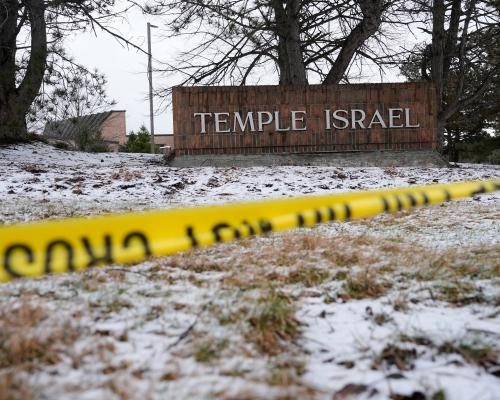
Recent incidents underscore the growing dangers. On a single day, two attacks highlighted the volatility of the current situation. At Old Dominion University in Virginia, a gunman, who had previously attempted to support the Islamic State, opened fire in a classroom, resulting in one death and two injuries. Meanwhile, in Michigan, a Lebanese-born US citizen drove a truck into a synagogue, ultimately being shot dead by security personnel. These events signal a troubling escalation of violence and reflect the potential for asymmetric attacks that may be inspired or orchestrated by Iran.
Iran's Potential Response to Military Action
Counter-terrorism experts assert that the current military campaign against Iran, which began on February 28, has heightened the threat of retaliation. Matthew Levitt, a counter-terrorism specialist at the Washington Institute for Near East Policy, indicated that even before the recent hostilities, Iran was already plotting acts of revenge for past US military actions, including the assassination of Qassem Suleimani, the commander of the Revolutionary Guards' elite Quds Force, in January 2020.
Levitt noted that while many plots linked to Iran were thwarted in the last five years, the persistent threat remains. US authorities reportedly intercepted 17 Iranian-inspired plots during this timeframe. He emphasized the gravity of the situation: "The fact that many of the plots do not seem particularly capable doesn't mean that they won't ultimately succeed." The precarious nature of these threats illustrates the ongoing risk to American safety, as Iran may seek to avenge the loss of its leaders and assert its influence through fear.
Concerns Over Sleeper Cells and Domestic Security
Recent intelligence reports have raised concerns that Iran may be attempting to activate sleeper cells within the United States. On the very day military action commenced, a Farsi-speaking individual was heard broadcasting what appeared to be a coded message-a method historically employed by intelligence agencies to communicate with covert operatives. While skepticism surrounds the true scale of this sleeper cell threat, the potential for covert attacks remains a pressing issue for US security agencies.
As the situation unfolds, the FBI and Department of Homeland Security face challenges that may leave the nation ill-prepared for a potential resurgence of organized violence. The current political climate, coupled with the complexities of the US-Iran conflict, further complicates the task of safeguarding American citizens from potential attacks. The implications of Iran's retaliation could be catastrophic, not only for US interests abroad but also for the safety of civilians at home.
In summary, as hostilities between the US and Iran escalate, the specter of terrorism looms larger than ever. Analysts warn that the potential for domestic attacks is real and poses a critical threat that must be addressed. The ramifications of this conflict extend beyond the battlefield and into the heart of American society, where the line between national security and political strategy becomes increasingly blurred.
Originally reported by The Guardian. View original.