
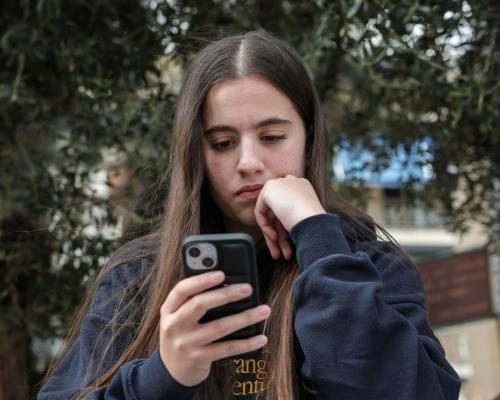
In a bold move aimed at addressing rising mental health issues among youth, Greece will enforce a social media ban for children under the age of 15 starting January 1, 2024. Prime Minister Kyriakos Mitsotakis made the announcement in a TikTok video directed at young viewers, acknowledging the potential backlash from children while stressing the necessity of the measure. "We have decided to go ahead with a difficult but necessary measure: ban access to social media for children under 15 years old," he stated. Mitsotakis underscored the concerning data linking prolonged screen time to anxiety and sleep disturbances among minors.
Legislative Support and Anticipated Challenges
The Greek parliament, which is predominantly controlled by Mitsotakis's centre-right New Democracy party, is expected to vote on the ban during the summer session. This legislation positions Greece among the first European nations to implement such restrictions, following similar initiatives in countries like France and Australia. The Australian government had previously announced measures to block social media accounts for individuals under 16, affecting over 4.7 million users. Originally reported by The Guardian.
Despite the anticipated approval, the ban may face challenges from both children and civil rights advocates who argue overreach into personal freedoms. Mitsotakis, however, remains firm in his stance, citing parental concerns regarding cyberbullying and excessive app usage as a driving force behind the new policy.
Public Support and Survey Findings
Recent surveys indicate robust public backing for the proposed ban. A poll conducted by Greek firm ALCO revealed significant support from parents, with many expressing concerns about their children's well-being in the digital age. Moreover, a YouGov survey covering several European nations showed that up to 79% of respondents across various countries are in favor of restricting social media access for minors. Notably, France has been leading the charge, with plans for a similar ban expected to be enacted by the start of the 2026-27 school year.
In the UK, where the government has initiated a consultation on the matter, 76% of participants supported a ban, while 74% expressed similar sentiments in Germany. Italy and Spain also showed considerable backing at 70% and 68%, respectively. These statistics illustrate a growing consensus among European countries regarding the potential dangers of social media for younger audiences.
Broader Implications for Europe's Digital Landscape
Mitsotakis has emphasized that national efforts alone won't suffice to protect minors from online threats. In a letter to European Commission President Ursula von der Leyen, he urged for a unified European framework to establish online age verification by 2027. "National action alone will not suffice," he wrote, highlighting the need for a collaborative approach to safeguard children across the continent.
As Greece moves forward, other nations like Spain, Malaysia, Denmark, and Poland are also considering similar legislation, reflecting a trend that prioritizes youth safety in the digital era. Mitsotakis's administration has already taken steps in this direction, including a ban on mobile phones in schools and the implementation of parental control platforms aimed at managing screen time effectively.
The Impact on Children's Lives
Teachers in Greece have voiced concerns over the detrimental impact of excessive screen time on students, noting instances of sleep deprivation that affect classroom performance. Dimitris Panayiotopoulos, a retired primary school headteacher, remarked, "After 40 years of teaching I can honestly say that screens have destroyed children." This sentiment echoes a growing anxiety surrounding the mental and physical health of the younger generation amid a surge in digital engagement.
As the ban approaches, parents and educators are left to ponder its efficacy and the long-term implications for children's relationships with technology. While many support the initiative, skepticism remains about its actual effectiveness in curbing social media addiction and its associated problems.
As Greece embarks on this legislative endeavor, the eyes of Europe will be watching closely. The outcome of this initiative could pave the way for a broader movement aimed at safeguarding youth in an increasingly digital world. As mental health continues to be a pressing issue, the balance between technology and well-being will be crucial in shaping the future for Europe's children.
Originally reported by The Guardian. View original.