
As electric vehicles (EVs) become increasingly prevalent on roads worldwide, battery recycling is gaining prominence as a pivotal element in both production and sustainability efforts. With EV batteries naturally degrading over time, addressing their disposal is urgent. Not only do traditional disposal methods raise concerns about toxic waste, but the potential for recycling these batteries into valuable materials cannot be overlooked.
European Initiatives Lead the Charge
In Europe, several major automotive manufacturers are stepping up their battery recycling initiatives. Companies like BMW, Volkswagen, and Renault are exploring innovative ways to recycle and repurpose batteries that have reached the end of their useful life. These initiatives come in response to the growing awareness of sustainability and the need to mitigate environmental impacts.
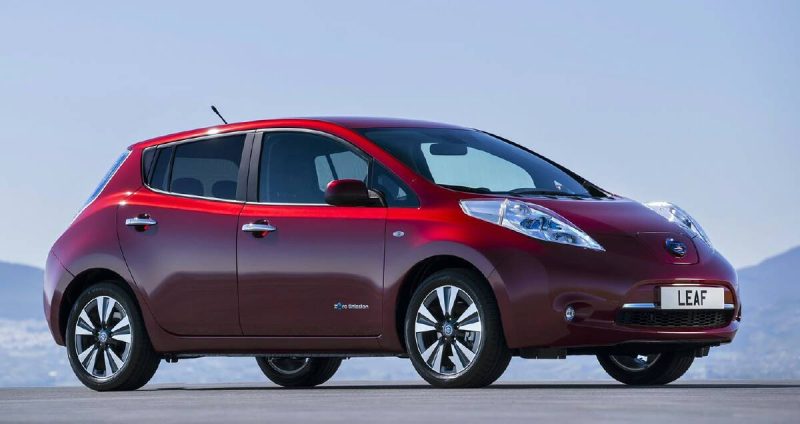
Australia is also making strides in this area. Nissan, for instance, is set to launch an ambitious project by late 2025, where nine recycled batteries from its Leaf hatchbacks will be utilized to power operations at its parts factory in Victoria. This move highlights a trend among companies to find alternative uses for EV batteries rather than simply disposing of them.
According to a report from Auto News, the global battery recycling market is expected to burgeon, with projections estimating revenues from these projects could reach approximately $100 billion annually by 2040. In comparison, revenues for 2025 alone are anticipated to be around $3.5 billion. This growth is largely driven by stringent recycling regulations set forth by the European Union, which aims to enforce year-on-year recycling targets.
EU Regulations Propel Recycling Demand
The European Union's Battery Regulation is a game changer, setting ambitious targets for battery recycling. By 2030, 70 percent of lithium-based batteries must be recycled, reflecting a significant policy shift aimed at fostering a more circular economy. Furthermore, EU materials legislation mandates that at least 25 percent of raw materials used in battery production should derive from recycling efforts within the EU.
This regulatory push is expected to enhance the viability of battery recycling projects across the continent, encouraging manufacturers to invest in technologies that can safely disassemble batteries and recover valuable materials. The challenge, however, lies in the safe disassembly of these batteries, which often contain hazardous materials that pose risks to human health and the environment.
Automated processes have emerged as a viable solution to this challenge. For instance, R3, a robotics company based in Luxembourg, is collaborating with key players like Hyundai and Jaguar to develop automated battery dismantling lines. These advancements aim to minimize risk while maximizing material recovery, ultimately supporting the goals set forth by EU regulations.
Challenges in Lithium Iron Phosphate Recycling
While the recycling of lithium-ion batteries, particularly those utilizing nickel-manganese-cobalt (NMC) technology, is becoming more established, questions remain regarding the recycling potential of lithium iron phosphate (LFP) batteries. These batteries, which are gaining popularity due to their use of less challenging materials, may not present the same recycling opportunities as their NMC counterparts.
Despite these uncertainties, the overarching trend points toward an increasing emphasis on sustainability within the EV industry. As more consumers embrace electric vehicles, the necessity for effective battery recycling solutions will only intensify. Companies must navigate the complexities of recycling technologies while ensuring compliance with evolving regulations.
The Future of Battery Recycling
Looking ahead, the landscape of battery recycling is poised for significant transformation. The shift towards electric mobility necessitates robust recycling frameworks not only in Europe but globally. As manufacturers invest in innovative technologies and processes, the potential to recover valuable materials like cobalt will become increasingly important.
Furthermore, as awareness of environmental issues rises, consumer demand for sustainable practices in the automotive industry will grow. This evolution will create new opportunities for companies engaged in battery recycling, positioning them as essential players in the transition to a greener economy.
Ultimately, as the electric vehicle market expands, so too will the importance of battery recycling in driving sustainable practices. The push for innovation and compliance will shape a future where recycling is not just an option, but a fundamental aspect of the automotive industry's evolution.