
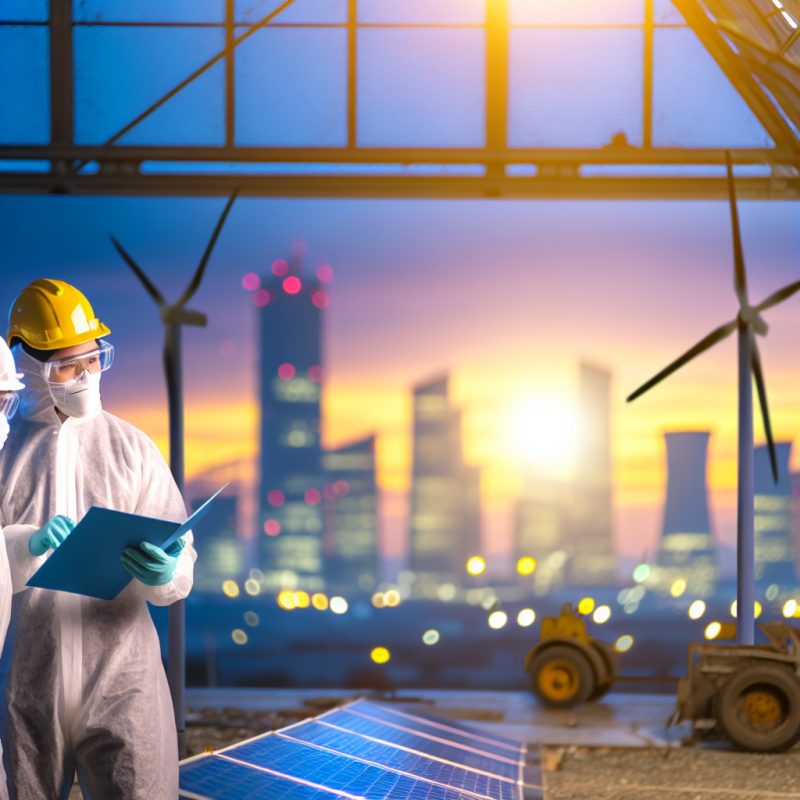
Israel's Energy Ministry has announced that the nation's energy demands will be fulfilled using alternative sources and substitute fuels, should the need arise. This proactive measure comes amid ongoing geopolitical tensions that threaten traditional energy supplies, highlighting the nation's commitment to energy security and sustainability.
Shift Toward Alternative Energy Sources
The Israeli government is emphasizing its readiness to pivot from conventional energy supplies to alternative fuels. With rising global energy prices and the instability of fossil fuel markets, this shift is viewed as essential for maintaining energy independence. The Energy Ministry's statement indicated a strategic approach to energy management, ensuring that Israel can adapt to any unforeseen disruptions in energy supply chains. Learn more on Investopedia.
Utilizing alternative sources such as solar, wind, and biofuels positions Israel as a forward-thinking nation in the energy sector. Historical reliance on natural gas and oil has underscored vulnerabilities in the face of political unrest in neighboring regions. By investing in renewable energy technologies, Israel aims to not only secure its energy future but also contribute to global sustainability efforts.
Geopolitical Factors Influencing Energy Policy
The backdrop of Israel's energy strategy is set against a complex geopolitical landscape. Ongoing conflicts in the Middle East and fluctuating relations with neighboring countries have prompted Israel to reconsider its energy supply dependencies. The Energy Ministry's emphasis on alternative fuels signals a strategic pivot that aligns with global trends toward renewable energy as nations grapple with climate change and energy security.
As global energy prices remain volatile, Israel's decision to diversify its energy portfolio becomes increasingly significant. Reports indicate that natural gas prices have surged, affecting not just Israel but markets worldwide. In response, the government is exploring options that include developing infrastructure for alternative fuels and enhancing energy efficiency measures across various sectors.
Investment in Renewable Energy Technologies
To support the transition to alternative energy sources, the Israeli government is committed to investing in renewable technologies. This includes large-scale solar projects, which have already begun to reshape the country's energy landscape. Israel has abundant sunlight, making solar energy an attractive option for meeting future energy demands.
Additionally, wind energy is also being harnessed, with new projects planned along the country's coastlines. The government aims to increase the share of renewables in its energy mix significantly. By targeting a 30% contribution from renewable sources by 2030, Israel sets ambitious but achievable goals that reflect a broader global commitment to reducing carbon emissions.
Public Response and Future Outlook
The public response to the Energy Ministry's announcements has been largely positive, with citizens expressing support for initiatives that promise both energy security and environmental sustainability. Local advocacy groups have long pushed for a transition away from fossil fuels, and the government's recent commitments resonate with these calls for action.
Looking ahead, the success of these alternative energy initiatives will depend on robust policy frameworks, public investment, and private-sector engagement. The Energy Ministry will need to ensure that regulatory environments support innovation while also addressing potential challenges related to infrastructure and technology adoption.
As Israel navigates its energy future, the focus on alternative sources and substitute fuels not only addresses immediate concerns regarding supply security but also positions the nation as a leader in renewable energy within the region. The long-term implications of these strategies could redefine Israel's energy landscape and contribute to a more sustainable future.
Ultimately, Israel's proactive stance toward alternative energy sources signifies a crucial step in enhancing national energy resilience. As global energy dynamics continue to evolve, the country's commitment to diversifying its energy sources will be essential in ensuring that it meets both current and future energy demands effectively.
Originally reported by Marketscreenerc. View original.