
In a stark reflection of Israel's current political climate, the Knesset recently passed a controversial death penalty law specifically targeting Palestinians, just days before Passover. The approval of this measure, which was celebrated within the legislative chamber, raises alarms about the moral direction of Israeli governance, suggesting a troubling departure from Jewish ethical traditions that historically emphasized universal humanitarian values.
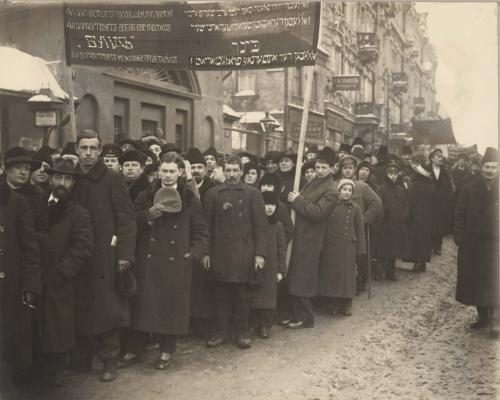
The law's enactment serves as a potent reminder of the ideological battles within Jewish communities, particularly as leftist Jews look back to historical movements such as the Jewish Labour Bund, established in 1897 in the Tsarist Empire. Author and activist Molly Crabapple describes the Bund as a crucial model for those seeking alternatives to the current Israeli political landscape, particularly for those opposing what she terms the "Zionist death cult." Her book, Here Where We Live Is Our Country: The Story of the Jewish Bund, captures the essence of this revolutionary party, which advocated for both Jewish rights and broader socialist principles. Originally reported by The Guardian.
The Bund: A Revolutionary Force in Eastern Europe
For half a century, the Bund was a powerful force in the struggle for socialist ideals within Eastern Europe, particularly among Jewish populations. It stood out as a movement that simultaneously celebrated Jewish culture while promoting internationalism. "On one hand, they were people who ferociously believed in the value and dignity of eastern European Jewish culture at a time when this was sneered at," Crabapple explains. "But on the other hand, they were internationalists." Their commitment led to the establishment of schools, trade unions, and social movements that served as a lifeline for Jewish communities.
Amidst the turbulence of the early 20th century, Bundists played a significant role in the revolutions of 1905 and 1917, actively participating in efforts that sought liberation for all oppressed peoples. After the October Revolution, they regrouped in Poland, where they continued to build a vibrant community dedicated to education, cultural preservation, and social justice. "They built a beautiful alternate world out of little more than love and grit," Crabapple notes, highlighting their remarkable resilience and creativity.
Resistance Against Fascism and Nationalism
The Bund's legacy took a tragic turn as the rise of fascism swept across Europe. With the Nazi regime's arrival, Bundists became key players in the anti-fascist underground, notably contributing to the Warsaw Ghetto Uprising. Unfortunately, despite their efforts, the tide of nationalism proved overwhelming, leading to the systematic annihilation of Eastern European Jewry and the fracturing of the Bund's vision of solidarity.
Crabapple reflects on this period with a sense of profound loss, noting how the Bund's ideals were overshadowed by the emergence of Zionism and the establishment of a settler colonial state in Israel. As Jewish identity increasingly aligned with the Israeli state, the Bund's contributions became relegated to the margins of history, primarily preserved in Yiddish archives and obscure academic discussions.
The Bund's Principles in Contemporary Movements
Despite the fading memory of the Bund, the principles that guided its members continue to resonate in contemporary struggles, particularly within contexts advocating for Palestinian liberation. Crabapple emphasizes the importance of "solidarity across difference," explaining that the Bund exemplified a model where individuals could maintain their identities while joining forces for broader social justice. This ethos is increasingly relevant today as various movements seek to forge alliances across cultural and national lines.
As Crabapple sits in her art-filled Williamsburg apartment, she reflects on the impact of the Bund and its potential to inspire new generations of activists. Her book, which is already in its second printing, serves as a testament to the enduring relevance of the Bund's fight for dignity and justice. "That's the heart of why the Bund remains so morally inspiring today," she asserts, capturing the spirit of an organization that once envisioned a more equitable world.
Looking forward, the legacy of the Jewish Labour Bund could play a crucial role in reshaping the discourse surrounding Jewish identity, nationalism, and social justice. With movements advocating for Palestinian rights gaining traction, the Bund's principles of internationalism and solidarity may be more important than ever, offering a framework for a more humane and inclusive future.
Originally reported by The Guardian. View original.