
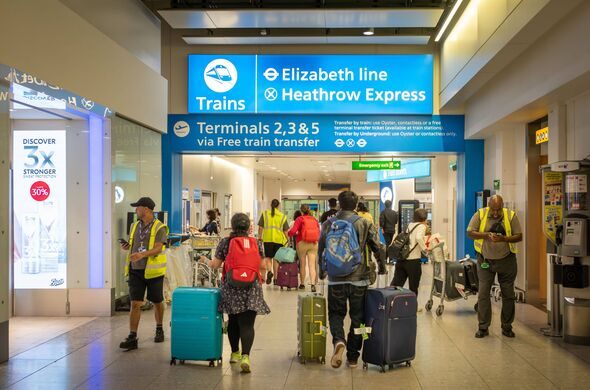
A new warning about foot and mouth disease has led UK authorities to reinforce their ban on importing specific food items from the EU. This prohibition, which has been in place since April of last year, poses serious penalties for travelers bringing meat and dairy products into Great Britain. As the government aims to protect the nation's livestock and food security, individuals attempting to cross the border with illegal food items could face fines reaching £5,000.
Strict Guidelines for Travellers
Travelers arriving in the UK must comply with strict regulations regarding the importation of food. Under the current guidelines, anyone entering Great Britain is prohibited from bringing in five specific food items: sandwiches, cheese, cured meats, raw meats, and milk. This ban primarily targets imports from EU countries and aims to mitigate the risk of foot and mouth disease, a highly contagious viral infection affecting livestock. Learn more about this topic on Wikipedia.
The Department for Environment, Food and Rural Affairs (DEFRA) has implemented these measures to safeguard British farmers and protect the health of livestock. Any traveler caught with these items at the UK border will have to surrender them, or they may be confiscated and destroyed. In severe cases, individuals could face substantial fines of up to £5,000.
Recent Developments in Disease Outbreaks
This week, the UK government raised alarms about a fresh outbreak of foot and mouth disease confirmed in Cyprus, a popular holiday destination for UK travelers. The alert prompted officials to impose additional restrictions on commercial imports from the region. UK Chief Veterinary Officer Dr. Christine Middlemiss commented, "Foot and Mouth disease has now been confirmed in Cyprus, we remain in contact with our European counterparts to understand the latest situation." Her remarks highlight the ongoing vigilance required to manage potential disease incursions.
The government is taking these steps seriously, with robust plans already in place to minimize risks to the farming community. Dr. Middlemiss emphasized that protecting Britain's agriculture is a priority, as the health of livestock directly affects food security across the nation.
Public Awareness Campaigns Under Scrutiny
Amidst rising concerns over the spread of animal diseases, public awareness campaigns have become a focal point in discussions about the effectiveness of the food import ban. Labour MP Ben Goldsborough recently raised a question in Parliament regarding whether sufficient measures are being taken to educate the public about the import restrictions. He specifically urged Emma Reynolds, the Secretary of State for Environment, Food and Rural Affairs, to consider funding public awareness campaigns, including advertisements at airports and ports.
DEFRA minister Dame Angela Eagle responded by asserting that significant efforts have been made to inform travelers about the ban. "Biosecurity is a priority for this Government. To protect UK farmers and animals from serious diseases like Foot and Mouth Disease and African Swine Fever, we used the Christmas period as an opportunity to remind the public about the personal imports ban," she stated. According to recent surveys, over 90% of respondents were aware of the restrictions, indicating that the government's outreach may be effective.
Implications for Travelers and Farmers
The enforcement of this food import ban has wide-reaching implications for both travelers and farmers in the UK. Tourists returning from EU nations must be cautious about what they bring back, as ignorance of the law could lead to significant fines. Moreover, the restrictions aim to ensure that UK livestock remains free from diseases that could decimate herds and threaten the agricultural economy.
Farmers are particularly concerned about the impact of diseases like foot and mouth, which can devastate livestock populations. By preventing the importation of potentially contaminated food products, the UK government is attempting to mitigate these risks and support the livelihoods of its agricultural community. This proactive approach reflects an urgent need to maintain food security and protect the health of domestic livestock.
As the situation evolves, UK authorities will continue to monitor and respond to disease outbreaks. The emphasis on biosecurity highlights the delicate balance between promoting international travel and ensuring the safety of the nation's food supply. With ongoing threats from animal diseases, travelers should remain informed and vigilant about the rules surrounding food imports to avoid facing severe penalties.
Originally reported by Express. View original.