
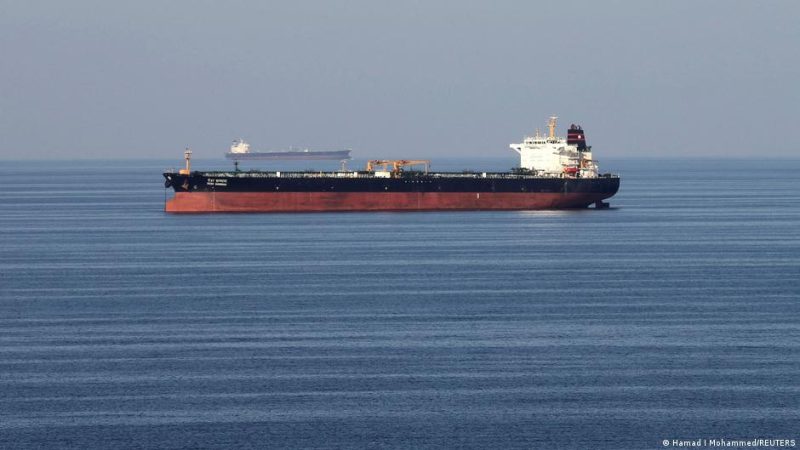
The Strait of Hormuz has once again become a focal point for geopolitical tensions as Iran announced a partial closure of this vital waterway during military exercises. The maneuver, described by Iranian state television as a security measure, raises concerns over the potential disruption of oil supplies that traverse this crucial maritime route.
On Tuesday, Iranian officials confirmed that military drills by the Revolutionary Guards would necessitate the temporary restriction of access to the Strait, which connects the Persian Gulf with the Gulf of Oman. The partial closure is set to last several hours, although precise details regarding the duration remain unclear. This development is particularly alarming given that the Strait of Hormuz is responsible for transporting approximately 20 million barrels of oil daily, accounting for roughly one-fifth of global oil trade.
Strategic Importance of the Strait of Hormuz
The Strait of Hormuz is often described as the world's most critical oil transit chokepoint. At its narrowest point, the strait is a mere 33 kilometers (21 miles) wide, with designated shipping lanes just 2 miles wide in each direction, making navigation challenging and congested. The waterway is essential not only for Iranian oil exports but also for oil producers such as Saudi Arabia, the United Arab Emirates, Kuwait, and Iraq. These countries rely heavily on the strait for transporting crude oil extracted from their fields to global markets.
According to the U.S. Energy Information Administration, the significance of the Strait cannot be understated. It serves as a lifeline for energy supplies, and any disruption could lead to immediate spikes in crude oil prices, adversely affecting energy-importing nations, particularly in Asia. Qatar, a major player in the liquefied natural gas (LNG) market, also depends on this passage for its LNG exports, further emphasizing the strategic stakes involved.
Geopolitical Tensions and Military Maneuvers
The announcement of military drills comes amid heightened tensions between Iran and the United States, particularly as negotiations surrounding Iran's nuclear program are ongoing in Geneva. As U.S. negotiators engage in talks aimed at addressing Iran's nuclear ambitions, military presence in the Middle East has increased, reflecting a broader strategy to counter Iran's influence in the region.
Iran has historically used threats to close the Strait of Hormuz as a bargaining chip, a tactic aimed at showcasing its military capabilities while sending a message to Western nations. The recent military exercises are seen as a show of force, reminding the international community of Iran's control over this critical maritime route. Notably, during last summer's conflict between Israel and Iran, tensions flared, leading to increased scrutiny of security measures in the waterway.
Concerns for Maritime Safety
In light of these developments, shipowners have expressed growing apprehension about navigating the Strait of Hormuz. The aftermath of last year's Israel-Iran conflict saw a surge in electronic interference with commercial navigation systems, raising alarms about maritime safety and operational reliability. Some vessel operators opted for heightened security measures, while others chose to alter their routes altogether to avoid potential risks.
Despite the Iranian military's assurances regarding the security of shipping lanes, the threat of disruption remains palpable. Any significant blockade or sustained military action in the strait could trigger a sharp increase in oil prices, impacting global markets and exacerbating energy crises in regions heavily reliant on oil imports.
As the situation unfolds, the international community is closely monitoring the developments in the Strait of Hormuz. The strategic importance of this waterway ensures that any disruptions will have far-reaching consequences not only for regional stability but also for the global economy. Stakeholders in the energy markets and geopolitical analysts will be keenly watching for further developments stemming from Iran's military activities and its implications for global oil supply chains.