
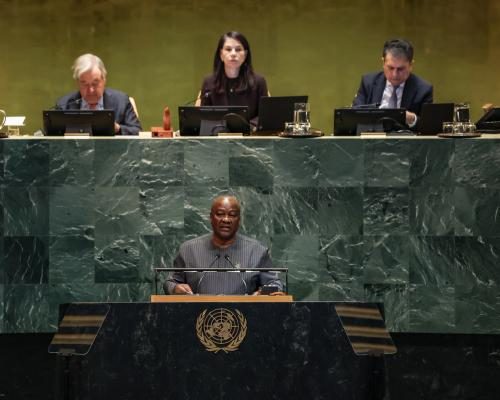
The United Nations General Assembly adopted a significant resolution on March 25, 2023, declaring the trafficking and racialized chattel enslavement of Africans as "the gravest crime against humanity." Led by Ghana, the resolution garnered overwhelming support, passing with 123 votes in favor, while only three nations- the United States, Israel, and Argentina-voted against it. Additionally, 52 countries abstained from the vote, including the United Kingdom and all European Union member states. This voting pattern has sparked a broader conversation about the implications of such historical acknowledgment and the resistance to reparative justice.
Global Reactions to Ghana's Resolution
The resolution's passage was celebrated across numerous nations, particularly in Africa, the Caribbean, and the Global South, where it was seen as a necessary step towards addressing historical injustices. Ghana's President, John Dramani Mahama, described the resolution as "a pathway to healing and reparative justice," emphasizing its role in ensuring that the atrocities of the past are not forgotten. However, the lack of support from major Western nations has raised eyebrows, revealing a stark divide in how history is perceived and acknowledged. Originally reported by The Guardian.
Britain and the EU's abstentions were particularly notable. British officials expressed their concerns that the resolution created a "hierarchy of historical atrocities," arguing that slavery was not explicitly prohibited under international law at the time. This defensive stance is seen by many as an attempt to avoid confronting the enduring consequences of transatlantic slavery, which has significantly shaped socio-economic realities today.
The Case for Reparative Justice
Critics of the abstentions and opposition have highlighted that the insistence on a nuanced understanding of historical suffering often serves to obscure the reality of transatlantic slavery's impact. The resolution calls for formal apologies, reparatory justice, and the return of looted cultural property, which many see as essential in addressing the ongoing legacies of inequality. By framing reparations as a threat to taxpayer interests, as suggested by UK opposition leader Kemi Badenoch, opponents divert attention from the moral imperative of confronting historical injustices.
Moreover, the response from right-wing factions, such as Zia Yusuf from Reform UK, who proposed blocking visas for nations demanding reparations, underscores a punitive attitude towards historical justice claims. This rhetoric positions legitimate demands for reparative justice as opportunistic threats rather than rightful calls for accountability and healing.
Shifting the Narrative on Slavery
The discourse surrounding Ghana's resolution has moved beyond mere acknowledgment of slavery as a historical atrocity. UN Secretary-General António Guterres emphasized the need for action against the legacies of racism and inequality, advocating for fairer representation of African nations in the global financial system. This approach aligns with the Caribbean Community (Caricom) 10-point plan, which advocates for a comprehensive view of reparations that connects apologies with developmental initiatives, healthcare improvements, and education for Indigenous populations.
Caricom has long asserted that reparative justice should not be limited to financial compensation but should encompass a broader framework that addresses the systemic issues resulting from centuries of exploitation. The UN resolution, therefore, is not merely a symbolic gesture; it lays the groundwork for future discussions on reparative frameworks, allowing African and Caribbean states to advocate for justice more effectively.
The Broader Implications of the Vote
The UN resolution's passage is seen as a critical step in shifting the narrative surrounding slavery and its repercussions. By placing reparations at the forefront of international dialogue, it challenges the dominant narratives that often prioritize economic interests over moral responsibility. The backlash from Western nations indicates that acknowledging the full scope of historical injustices remains a contentious issue, revealing deep-seated discomfort with confronting uncomfortable truths.
As the debate continues, the resolution serves as a reminder that discussions around reparations and historical accountability are far from settled. The implications of this vote extend beyond symbolic recognition, opening pathways for concrete actions aimed at addressing historical wrongs. The call for reparative justice is not just about addressing the past but also about shaping a more equitable future.
Originally reported by The Guardian. View original.