
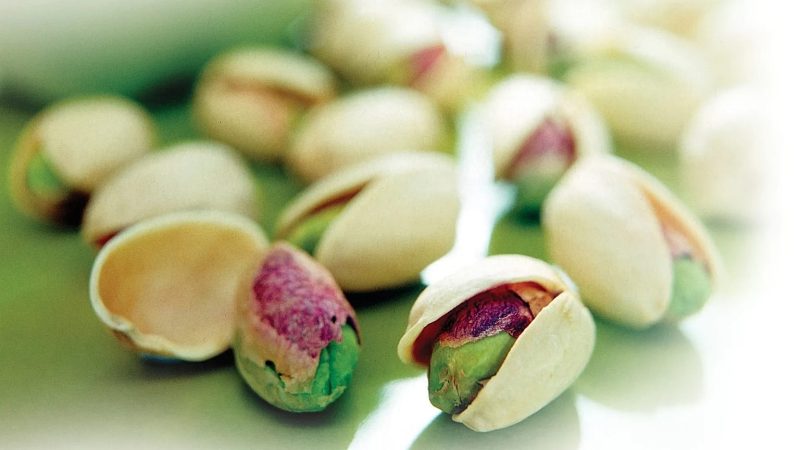
Spanish pistachio production has skyrocketed by 73.6% over the past year, making its way into countless products in supermarkets across the nation. Once merely a savory snack, this small green seed has transformed into a highly sought-after ingredient, sparking intense competition within the food sector.
Regions such as Castile-La Mancha, Andalusia, and Aragon are the heavy hitters in this burgeoning market, with nearly 42,400 tonnes of pistachios expected to be harvested this season. This figure marks a significant increase from just 8,200 tonnes in 2018, showcasing the remarkable growth trajectory of Spain's pistachio industry. Despite this impressive growth, the sector acknowledges that Spain still occupies a relatively minor position in the global market. Learn more on Investopedia.
Transforming a Seed into an Industry
As the industry evolves, companies are beginning to recognize that the true value of pistachios lies not just in their sale as whole nuts, but in their potential for transformation into various products. Currently, only about 10% of Spain's pistachio production is converted into industrial ingredients, leaving ample opportunities for growth in areas such as pistachio paste, a market long dominated by Italian imports.
Spanish producers aim to compete by emphasizing total traceability and the absence of additives in their products. This strategy allows them to carve out a niche in the marketplace, appealing to health-conscious consumers who prioritize transparency and quality in their food sources.
Pistachyde: A Model for Local Integration
Beyond traditional production methods, some businesses are embracing a more holistic approach. Pistachyde, based in Tembleque, Toledo, has implemented a model that integrates the pistachio crop into the local economy. This includes managing the entire process from farm to shop, which helps to retain population in rural areas and create job opportunities.
The owner of Pistachyde highlights the importance of immigrant labor in this food chain, noting that it plays a critical role in sustaining the agricultural workforce. By fostering a local economy centered around pistachio cultivation, the business not only supports farmers but also contributes to the community's overall economic health.
Global Market Dynamics and Price Pressures
The global pistachio market presents a paradox for producers. In 2025, California experienced a bumper crop, yielding 44% more than the previous year. Despite this increase, prices for pistachios remained high, exceeding $9,000 per tonne, with a year-on-year price increase of between 30% and 35%. The behavior of U.S. exporters, who prefer to stockpile their goods rather than flood the spot market, has contributed to this price stability.
Compounding this situation are the challenges faced by major producers in Turkey and Iran, who suffered significant crop losses due to frost. These factors have collectively driven prices upward, directly impacting importing countries like Italy, where a staggering 88% of consumed pistachios are sourced from abroad, primarily the U.S., Spain, and Iran.
The Rise of Pistachio-based Delicacies
A surprising cultural phenomenon has also spurred the demand for pistachios: Dubai chocolate. This unique confection, filled with pistachio cream and kadaif paste, has captured the attention of dessert lovers and further solidified pistachio's status as a popular ingredient. The growing trend towards gourmet and artisanal food products has made pistachios an attractive addition, not only in confectionery but also in various culinary applications.
As Spain continues to ramp up its pistachio production, the industry is poised for further growth and innovation. With consumers increasingly seeking high-quality, locally sourced ingredients, Spanish pistachios are likely to find an expanding market both domestically and abroad.
Originally reported by Euronews. View original.