
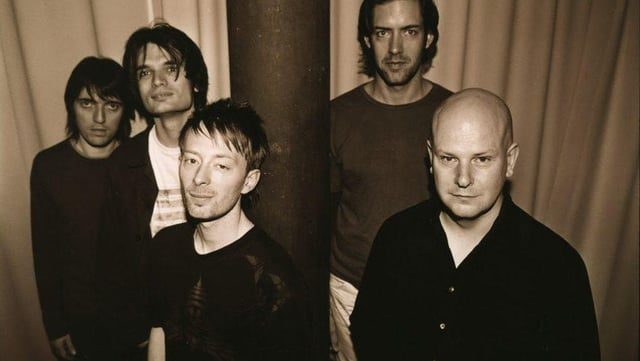
In a bold statement that has resonated across social media, the iconic band Radiohead has voiced its outrage over the use of their song "Creep" in a video produced by U.S. Immigration and Customs Enforcement (ICE). The video, aimed at showcasing the agency's efforts in immigration enforcement, has sparked significant backlash, prompting the band to respond directly to the situation.
Band's Strong Reaction to Unauthorized Usage
Radiohead's members made their feelings clear on Twitter, issuing a blunt message to ICE: "Go f--- yourselves." This comment came in response to the discovery that their 1992 hit was incorporated into a promotional video intended to highlight ICE's operations against undocumented immigrants. The band's assertion reflects a growing trend among artists who seek to protect their work from being associated with controversial or politically charged organizations. Originally reported by r/entertainment.
The use of "Creep" in the video has drawn ire not only from the band but also from fans and advocates who see the action as a misappropriation of art. Many believe that Radiohead's music, often characterized by themes of alienation and social critique, should not be co-opted by an agency that plays a significant role in enforcing a contentious immigration policy. The band's pointed rebuttal underscores their stance on such issues, reinforcing their commitment to social justice.
Context of the Controversy
The video in question features footage of ICE agents making arrests and conducting raids, with "Creep" playing in the background. This juxtaposition has garnered severe criticism, as many argue that the song's themes of longing and isolation stand in stark contrast to the actions depicted. The backlash has not only come from fans but also from immigrant rights organizations, who argue that the video contributes to the dehumanization of individuals affected by ICE's enforcement policies.
ICE has not publicly responded to Radiohead's condemnation as of yet, leaving many wondering how the agency will address the fallout from this incident. The organization has faced increasing scrutiny in recent years, particularly regarding its treatment of immigrants and the broader implications of its enforcement actions. Critics argue that using music to frame these operations trivializes the genuine fear and trauma experienced by those affected.
Implications for Artist-Led Advocacy
This incident shines a light on the growing intersection of art and activism, where musicians and artists are increasingly vocal about how their work is utilized. Radiohead's response is indicative of a broader movement among artists to reclaim their narratives and maintain control over their intellectual property. As more musicians take a stand against the exploitation of their work, it raises questions about the ethical responsibilities of agencies and organizations that wish to use such art.
Moreover, the situation has sparked a discussion about the role of music in political discourse. Many artists have historically used their platforms to speak out against social injustices, and Radiohead's rejection of ICE's use of their song exemplifies how artists can assert their values in the face of controversial appropriations. The incident may inspire other artists to reconsider how their work is used and to advocate for greater accountability from organizations that wish to utilize their music.
What's Next for Radiohead and ICE?
As the story unfolds, it remains to be seen whether ICE will alter its approach to using music in its promotional materials. The agency's silence in the wake of Radiohead's statement leaves many questions unanswered. Will they publicly acknowledge the backlash? Will they issue an apology or remove the video? These are crucial points for both the band and the public to consider.
Radiohead's response not only solidifies their stance against the misuse of their music but also contributes to a broader dialogue about artistic integrity and agency accountability. In an era where social media amplifies voices, artists like Radiohead set a precedent for others to follow, encouraging them to speak out against misappropriation and to stand firm on their principles. This incident serves as a reminder that art can be a powerful tool for advocacy, and its creators have every right to protect their work from being wielded in ways they do not endorse.
Originally reported by r/entertainment. View original.