
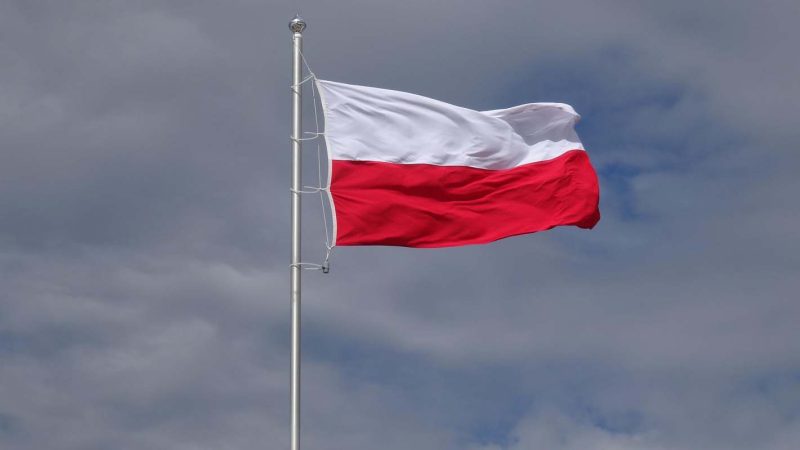
Polish Prime Minister Donald Tusk has issued an urgent directive for all Polish citizens currently residing in Iran to evacuate immediately due to escalating conflict risks. Tusk's warning reflects growing concerns over the deteriorating security situation in the region, urging individuals to avoid travel to Iran altogether.
Escalating Tensions Prompt Urgent Measures
The call for evacuation comes amid rising tensions in Iran, where political instability and threats of conflict have surged over recent months. Prime Minister Tusk emphasized that the Polish government is closely monitoring the situation and has taken the precaution of providing assistance to its citizens in Iran. This decision aligns with similar actions taken by other countries concerned about their nationals' safety in the region.
The Polish government has set up emergency procedures to facilitate the safe exit of its citizens. Reports indicate that several Polish nationals have already begun their evacuation, taking advantage of commercial flights that are still operational. Tusk's administration is coordinating with local authorities to ensure that any remaining nationals can leave without delay.
Furthermore, the Prime Minister's statement serves as a stark warning to those considering travel to Iran. He underscored the unpredictable nature of the current climate, which could lead to sudden and dangerous developments.
International Responses to Regional Instability
Poland is not alone in its concerns. Nations across Europe and beyond are grappling with the implications of increasing hostilities. The situation in Iran has prompted several governments to issue travel advisories, reflecting a broader trend of caution regarding the region.
In recent weeks, the U.S. State Department and the United Kingdom's Foreign Office have also recommended that their citizens leave Iran as soon as possible. This international consensus underscores the gravity of the situation and the potential risks associated with remaining in the country.
Moreover, diplomatic relations between Iran and Western nations have been strained further, complicating efforts to ensure the safety of foreign nationals. The uncertainty surrounding international negotiations, particularly regarding Iran's nuclear program, adds an additional layer of complexity to the evolving situation.
Impact on Polish Citizens and Families
The Polish government's decision to urge evacuation has significant implications for Polish citizens in Iran. For many, the call to leave may disrupt lives and alter plans. Families separated by distance are now faced with difficult decisions, balancing personal and professional commitments against the backdrop of a volatile political landscape.
Officials in Poland have highlighted the importance of staying connected with those in Iran. The Foreign Ministry has set up hotlines and communication channels to provide updates and assistance. They are also encouraging citizens to reach out for help if they face any difficulties during their evacuation.
Some Polish nationals have expressed frustration and sadness over the situation, reflecting a mix of anxiety and concern for their safety and the implications of leaving a place they may have called home for years. Emotional stories are emerging from those who have made the tough choice to leave, highlighting the human cost of political unrest.
Looking Ahead: Uncertainty Remains
As the situation in Iran continues to unfold, the Polish government remains vigilant. Prime Minister Tusk reassured citizens that their safety is the top priority, and he urged those who have yet to evacuate to do so as soon as possible. The implications of the current crisis extend beyond Poland, affecting the geopolitical landscape and international relations.
In the coming weeks, all eyes will be on Iran as the world watches how the situation develops. Many analysts believe that without significant diplomatic intervention, the risk of further escalation remains high. This uncertainty could lead to more nations taking similar precautions, reinforcing the necessity of robust evacuation plans for their citizens.
Ultimately, the call for evacuation is more than a simple advisory; it's a reflection of the broader challenges facing international relations and the very real risks that individuals must navigate in times of crisis. The Polish government's proactive stance highlights a growing recognition of the need for vigilance and preparedness in an increasingly unpredictable world.