
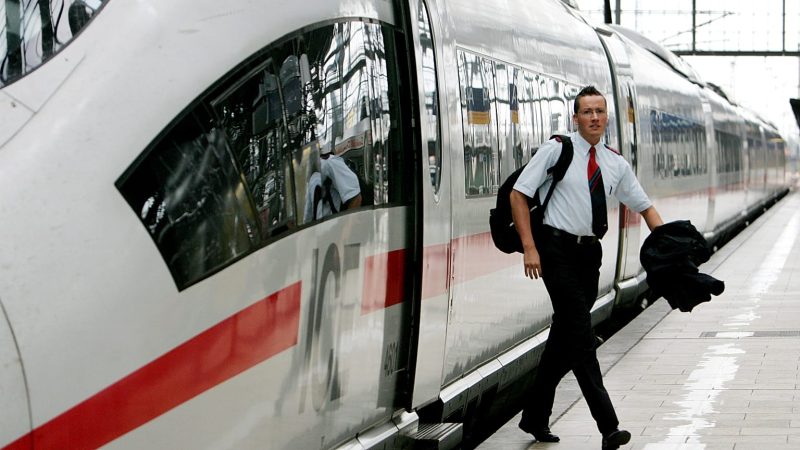
When it comes to europe's train drivers: how do their salaries stack up?, in Germany, the average gross earnings for bus, tram, and train drivers reveal a concerning trend: they fall below the earnings of full-time employees across the country. According to the Federal Statistical Office (Destatis), skilled bus and tram drivers earn approximately €3,638 gross monthly as of April 2025, while skilled train and locomotive drivers fare slightly better, with an average monthly salary of €4,600. These figures highlight a significant pay gap within the public transport sector, prompting a closer examination of railway salaries across Europe.
Understanding Europe's Train Drivers: How Do Their Salaries Stack Up?
Late February 2026 saw public transport in Germany severely disrupted by strikes led by the GDL train drivers' union. The protests stemmed from ongoing disputes over pay and working conditions, which culminated in negotiations between Deutsche Bahn and the union. Fortunately, an agreement was reached, allowing train services to resume. Yet, this incident underscores the growing tension surrounding transport workers' compensation in Germany. Learn more on Investopedia.
As negotiations wrapped up, questions arose regarding how the salaries of train and transport drivers compare to the typical earnings of German workers. In April 2025, the average gross salary for all full-time employees was reported at €4,784. This statistic indicates that while train drivers' earnings are relatively higher than those of bus and tram operators, they still hover just below the national average.
Comparative Salaries in the Public Transport Sector
The disparities in earnings become clearer when examining other occupations within the public transport sector. Skilled bus and tram drivers, with their average gross monthly income of €3,638, earn less than their counterparts in the railway sector. The average gross for skilled train drivers, at €4,600, showcases a modest improvement, yet still reflects a gap when juxtaposed with the overall average salary.
Moreover, numerous specialized roles within the railway industry command much higher salaries. For instance, employees in railroad construction, especially those in highly complex positions, earn a median monthly gross of €6,229. In comparison, those involved in inspection and maintenance of railway infrastructure also see significant pay, with median earnings of €6,074 for complex roles and €5,292 for skilled workers.
The data also reveals that positions focused on the surveillance and control of railway traffic offer median earnings of €5,503, while technical railway operations yield an average of €4,188. Notably, the lowest median earnings in the sector belong to service positions within road and railway traffic, averaging €3,568, which is slightly below what bus and tram drivers earn.
Overall Trends in Driver Compensation
The findings illustrate that while highly skilled roles in the railway sector tend to offer higher salaries, both bus and tram drivers, as well as railway drivers, fall short of the national average salary. This situation raises critical questions about wage equity and the value assigned to various positions within public transport.
Considering over 1,300 job titles documented in the official data, skilled train and locomotive drivers rank 667th in terms of median earnings, while skilled bus and tram drivers sit even lower at 985th. This ranking system indicates that even within their respective fields, drivers are not compensated at levels commensurate with their responsibilities.
Additionally, data from the ERI Economic Research Institute's Salary Expert offers further insights, emphasizing the need for a reevaluation of how salaries are structured within the public transport sector.
The Future of Train Driver Salaries in Europe
As cities across Europe grapple with the pressures of modernizing public transport systems, the question of fair compensation for drivers remains pivotal. With strikes and negotiations highlighting the discontent among transport workers, it's clear that ongoing discussions about salaries will continue to shape the landscape of public transport in Germany and beyond.
Moving forward, the need for a comprehensive approach to wage adjustments seems essential. Policymakers, transport companies, and unions must collaborate to ensure that salaries reflect the complexities and responsibilities of transport roles, particularly as urban areas expand and demand for efficient public transport grows.
Originally reported by Euronews. View original.