
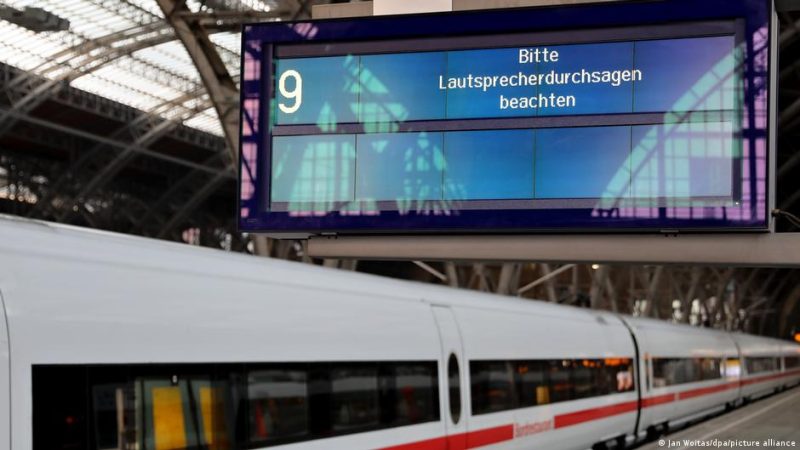
Germany's national railway operator, Deutsche Bahn, confirmed a significant cyberattack that disrupted its ticketing and travel information systems on Tuesday. The company revealed that a distributed denial of service (DDoS) attack targeted its IT infrastructure, hampering the ability of customers to book tickets and access essential travel updates.
The attack began around midday on Tuesday and quickly led to widespread outages, affecting both the Deutsche Bahn website and its Navigator app. In a statement released on Wednesday, the company explained the ongoing nature of these attacks, stating, "DB has been and continues to be subjected to attacks on its IT systems. The current attack is specifically targeted at DB and has occurred in waves." The scale of this cyber assault has been described as considerable, raising concerns about the safety and reliability of Germany's transport infrastructure.
Understanding DDoS Attacks and Their Impact
A distributed denial of service attack overwhelms an IT system by bombarding it with requests from multiple sources, making it difficult for legitimate users to access services. Such attacks are frequently characterized as forms of digital vandalism, aiming to disrupt normal operations rather than steal data. Deutsche Bahn's experience with cyberattacks is not new; the company has faced similar challenges in the past, with incidents becoming increasingly frequent.
On Tuesday, Deutsche Bahn proactively informed its customers about the disruptions caused by the attack, stating that by the evening, many systems were returning to stable operation. However, further complications arose on Wednesday, prompting the company to acknowledge the cyberattack as the source of the ongoing issues. "Our defensive measures took effect in order to keep the impact on our customers as low as possible," the statement emphasized, highlighting the company's commitment to safeguarding customer data and ensuring the availability of its services.
Government Response and Cybersecurity Measures
In response to the cyberattack, a spokesperson from Germany's Interior Ministry indicated that Deutsche Bahn has been in direct communication with the country's cybersecurity authorities. The rising frequency of cyberattacks on transport infrastructure has been a growing concern for national security agencies, particularly in light of escalating tensions regarding Russian-linked hacking groups.
Last year, Deutsche Bahn reported a series of nearly daily cyberattacks, with incidents involving sabotage of crucial rail lines between major cities such as Hamburg and Berlin, as well as Cologne and Düsseldorf. These attacks raised alarms among lawmakers and investigators, some of whom have suggested that Russia may be linked to this wave of cyber threats. Concerns about hired agents conducting cybercrime for monetary gain, disconnected from any foreign government, further complicate the landscape of cybersecurity threats facing Germany.
Broader Implications for Transport Infrastructure
The implications of such cyberattacks extend beyond immediate service disruptions. As Germany's primary rail operator, Deutsche Bahn plays a vital role in the country's transportation network, facilitating the movement of both passengers and freight. The recent attack not only highlights vulnerabilities within the digital infrastructure but also emphasizes the need for robust cybersecurity measures to protect against future threats.
In the wake of the cyberattack, Deutsche Bahn's management reiterated their focus on reinforcing their defenses against potential threats. Enhanced security protocols and coordination with government cybersecurity agencies are crucial steps in mitigating risks and ensuring the resilience of the transport sector. As more aspects of critical infrastructure become increasingly digitized, the urgency for comprehensive cybersecurity strategies cannot be overstated.
As Deutsche Bahn continues to recover from this latest cyber incident, the rail operator faces the dual challenge of restoring customer confidence while strengthening its defenses against future attacks. The evolving nature of cyber threats demands not only immediate responses but also long-term strategies to safeguard essential services. The railway sector's reliance on technology will only deepen in the coming years, making it imperative for Deutsche Bahn and similar organizations to stay one step ahead of potential cyber adversaries.