
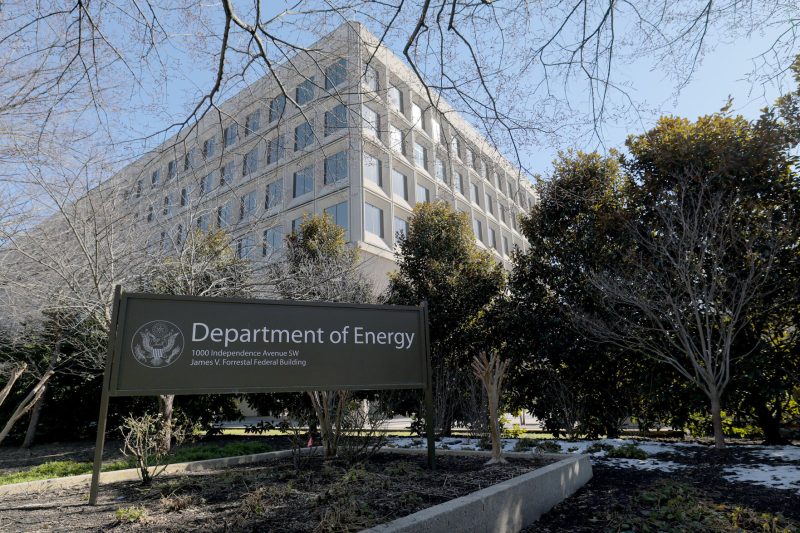
The Department of Energy (DOE) has increasingly become a powerful tool for federal spending aimed at influencing energy markets and funding preferred technologies. This trend has led to escalating energy prices, mounting federal deficits, and a cumbersome bureaucracy that often produces limited results for taxpayers.
Escalating Energy Costs and Federal Spending
Over the last few years, the DOE's role in shaping energy policies has expanded significantly. With the federal government's push to transition towards renewable energy sources, spending has surged. According to recent reports, this has resulted in energy costs rising sharply for consumers. In 2022, the average electricity price for residential customers reached 14.96 cents per kilowatt-hour, a notable increase from previous years. Learn more on Investopedia.
Fuel prices have also felt the impact of this spending spree. The U.S. Energy Information Administration (EIA) reported that the average price of gasoline soared to $3.89 per gallon in 2022, with consumers bearing the brunt of these rising costs. Critics argue that much of this increase can be traced back to federal subsidies and financial incentives that favor certain energy sectors while neglecting others. This strategy not only distorts market dynamics but also creates a disparity that can drive up costs across the board.
Bureaucratic Challenges and Inefficiencies
As the DOE expands its reach, so does its bureaucracy. The agency has been criticized for being slow to respond to market needs and for failing to deliver meaningful outcomes. Reports indicate that despite increased funding, many initiatives have not achieved their intended goals. For instance, several renewable energy projects have faced delays or have fallen short of efficiency targets, leading to wasted taxpayer dollars.
Moreover, the ever-growing DOE bureaucracy often results in overlapping programs and initiatives, creating confusion among stakeholders. This inefficiency not only hampers progress but also raises questions about the effectiveness of federal intervention in energy markets. The reliance on a sprawling federal framework has prompted calls for reform, with advocates arguing that a leaner government approach could yield better results.
Deficits and Economic Implications
Federal spending on energy initiatives has contributed to widening budget deficits, further complicating the economic landscape. According to the Congressional Budget Office (CBO), the federal budget deficit reached $1.4 trillion in 2022, driven in part by increased expenditures on energy programs. This trend raises concerns about long-term fiscal sustainability and the potential for future tax increases to cover these costs.
As energy costs remain elevated, the burden shifts to consumers and businesses alike. Small businesses, which often operate on thin margins, face challenges in managing rising operational costs. Consequently, some have been forced to pass these expenses onto consumers, perpetuating a cycle of inflation that threatens economic stability. Without addressing the root causes of these rising costs, the situation is likely to worsen.
A Call for Fiscal Responsibility
In light of these challenges, many experts and policymakers are advocating for a reevaluation of federal spending priorities in the energy sector. By reining in wasteful expenditures, the government could not only alleviate some of the financial strain on consumers but also foster a more competitive energy market. A focus on cost-effectiveness and measurable outcomes could lead to more sustainable energy solutions, benefiting the economy as a whole.
Furthermore, shifting towards a more market-oriented approach may encourage innovation and competition among energy providers. This could ultimately lower prices and improve service quality for consumers. As the country grapples with energy issues, it's imperative that policymakers consider the long-term implications of their spending decisions.
Addressing wasteful federal spending is not just a fiscal responsibility; it's a crucial step toward reducing energy costs for Americans. As calls for reform grow louder, it remains to be seen whether the federal government will take action to align its spending with the needs of the energy market and the public it serves.
Originally reported by The Brunswick News. View original.