
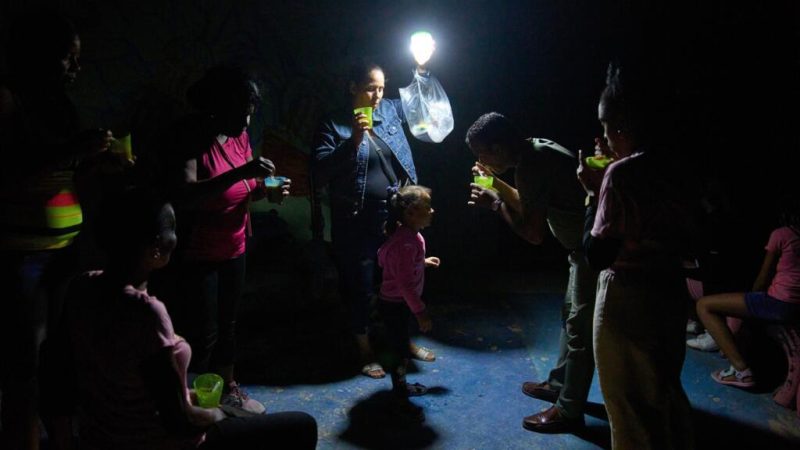
Western Cuba faced a significant crisis on Thursday as a massive blackout plunged millions into darkness, impacting Havana and surrounding provinces. The island, already struggling with deteriorating infrastructure and reduced oil shipments from Venezuela due to U.S. sanctions, is now confronting an energy grid on the verge of collapse. Recovery efforts are expected to take several days, leaving residents uncertain about when power will be restored.
Blackout Leaves Millions in Darkness
The blackout struck shortly after noon, affecting large swaths of western Cuba, including the capital, Havana. Reports indicate that millions of people were left without electricity, disrupting daily life and causing widespread panic. As power outages extended into the evening, many residents took to social media to express their frustrations, sharing images of darkened streets and businesses. Local authorities have acknowledged the severity of the situation, emphasizing that the restoration of power will be a complex and lengthy process. Learn more about this topic on Wikipedia.
"The situation is critical, and we are working tirelessly to restore power as soon as possible," stated a spokesperson from the Cuban Electric Union. The blackout highlights the vulnerabilities in Cuba's energy infrastructure, which has been exacerbated by years of underinvestment and neglect. Residents are now facing the reality of coping without air conditioning, refrigeration, and essential electric services.
Infrastructure Issues and Oil Supply Cuts
Cuba's energy crisis has deep roots, primarily stemming from its aging infrastructure. The island's power plants are often plagued by mechanical failures, and transmission lines suffer from a lack of maintenance. The situation worsened with the recent halt of oil shipments from Venezuela, a critical supplier for Cuba's energy needs. U.S. sanctions have forced Venezuela to cut back on its exports, impacting Cuba's ability to generate sufficient electricity.
According to analysts, these sanctions have created a perfect storm for Cuba's energy grid. The country relies heavily on oil imports, and the reduction in supply has led to a scarcity of fuel for power generation. The Cuban government has been exploring alternative energy sources, such as solar and wind, but these initiatives have yet to provide a viable solution to the immediate crisis.
Impact on Daily Life and Local Economy
The blackout has had significant repercussions on daily life in Cuba. Businesses, particularly those in the service sector, are struggling to operate without power. Restaurants and shops have been forced to close, leading to a loss of income and heightened economic strain. Many residents are concerned about the perishable goods in their refrigerators, compounding their anxiety during the outage.
In addition to the economic impact, the blackout has intensified social tensions across the island. Many Cubans are expressing their anger and frustration over the government's inability to provide stable electricity. This incident may serve as a catalyst for further public unrest, as citizens grow increasingly impatient with the ongoing crisis.
Government Response and Recovery Efforts
In response to the blackout, the Cuban government has promised to mobilize resources to restore power as quickly as possible. Officials are assessing the damage and implementing emergency protocols to expedite recovery. However, experts warn that the challenges are profound, and the grid's existing vulnerabilities will make a rapid recovery difficult.
Local authorities are urging citizens to remain patient, emphasizing that the situation is under control. However, skepticism is widespread among the populace, with many doubting the government's ability to resolve the crisis swiftly. The experience of previous outages has left many Cubans wary of official assurances.
As recovery efforts unfold, the government may need to address not only the immediate power shortages but also the long-term issues plaguing the energy sector. Investments in infrastructure, alongside a reevaluation of energy policy, will be essential in preventing future crises.
While the immediate focus remains on restoring power, the blackout in western Cuba underscores the urgent need for sustainable solutions to the island's chronic energy woes. As millions await the return of electricity, the resilience of the Cuban people will be tested once again in the face of adversity.
Originally reported by France 24. View original.