
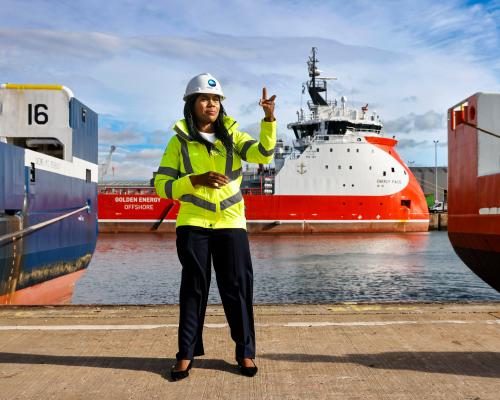
Kemi Badenoch, the Conservative leader, is drawing sharp criticism for advocating the reversal of a ban on new oil and gas licences in the North Sea, a move described by environmentalists as "peddling a dangerous fantasy." The campaign group Uplift has voiced strong opposition to Badenoch's plans, arguing that they pose a significant risk to both the economy and the environment. As part of a broader initiative to lower energy prices, Badenoch is set to urge the UK government to lift its existing suspension of new drilling licences, claiming it is essential for financial security.
Critics Challenge the Efficacy of New Licences
Despite Badenoch's push, critics remain skeptical about the potential impact of new oil and gas production on household energy bills. Tessa Khan, executive director of Uplift, criticized the proposed measures as "vapid, political game playing at the expense of ordinary people." She emphasized that increased drilling in the North Sea would likely have little to no effect on energy prices, a sentiment echoed by other experts in the field. Khan pointed out that it's not merely a lack of public support but also a misunderstanding of the realities of the North Sea's declining production capacity. Originally reported by The Guardian.
In fact, previous admissions by Conservative officials further complicate the argument for new licences. Claire Coutinho, who served as energy secretary in 2023 and now holds the energy brief in Badenoch's shadow cabinet, acknowledged that new licences "wouldn't necessarily bring energy bills down." This inconsistency raises questions about the credibility of the party's current campaign.
Labour's Stance on Energy Licensing
The Labour government, which instituted the ban on new oil and gas licensing, has pivoted its focus toward renewable energy sources. This strategic shift is particularly relevant as global oil prices continue to rise, exacerbated by instability in regions like the Strait of Hormuz. With rising costs already a concern for households, Labour argues that investing in homegrown renewable energy is the more sustainable and responsible approach.
A Labour spokesperson remarked, "The awkward truth is Badenoch's own shadow energy secretary admitted that new licences would not cut energy bills." The spokesperson highlighted that Labour's policies aim to reclaim control over energy security while facilitating significant investments in clean power.
Badenoch's Campaign Launch and Future Plans
Badenoch is scheduled to launch her party's "get Britain drilling" campaign on an oil rig off the coast of Aberdeen. She contends that domestic drilling is crucial for ensuring energy security, financial stability, and national security. "Drilling our own oil and gas is about energy security, it's about financial security, it's about national security," Badenoch stated, emphasizing the potential for job creation and tax revenue from increased fossil fuel production.
In addition to calling for new drilling licences, Badenoch is expected to advocate for the elimination of the windfall tax on energy profits, a move that has drawn criticism from opponents. Khan labeled this proposal as "tone deaf," particularly in light of public anxiety regarding rising energy costs.
Experts Weigh In on the North Sea's Potential
Industry experts have voiced concerns about the actual effectiveness of increased North Sea drilling in addressing energy prices. Greg Jackson, CEO of green energy company Octopus, explained that the UK's integration with European and global markets diminishes the potential impact of local production on prices. "More UK oil and gas would give more security of supply if governments controlled exports," Jackson clarified, but he noted that such measures are not part of the current discourse.
Furthermore, research conducted by Uplift and the energy consultancy Voar revealed that hundreds of new North Sea licences granted by the Conservatives from 2010 to 2024 have yielded only 36 days of gas production so far. This stark statistic underscores the challenges facing any proposals for increased drilling.
The conversation surrounding North Sea oil drilling is likely to intensify as Badenoch's campaign unfolds. While she champions the potential benefits of increased production, critics continue to emphasize the need for a sustainable and forward-thinking energy policy that prioritizes renewable resources over fossil fuels. As the UK grapples with rising energy costs and climate concerns, the debate around the future of North Sea drilling is far from settled.
Originally reported by The Guardian. View original.