
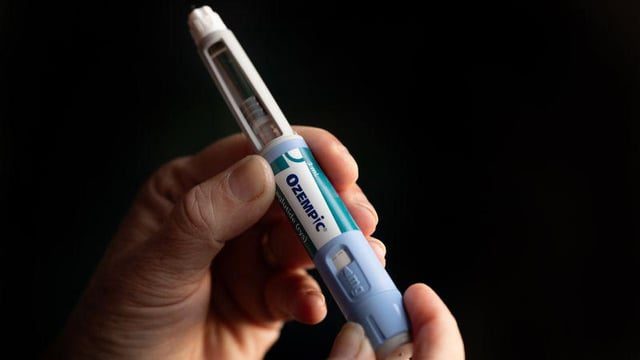
Recent studies suggest that popular weight loss medications, including semaglutide and liraglutide, might hold potential as treatments for addiction. These drugs, primarily aimed at combating obesity, are gaining attention for their unexpected effects on cravings and substance use disorders. As addiction rates continue to rise, researchers are exploring these medications as viable alternatives, sparking interest and hope in both medical and addiction recovery communities.
New Findings on Addiction Treatment
Research from the University of California, San Francisco, has revealed promising results regarding the use of semaglutide and liraglutide in reducing cravings associated with substance use disorders. Both drugs, originally designed for weight loss, work by mimicking the hormone GLP-1, which plays a crucial role in regulating appetite and metabolism. The study observed that participants who received semaglutide Experienced a significant reduction in their cravings for substances like alcohol and opioids. Originally reported by r/Health.
Dr. Jennifer Miller, a lead researcher in the study, stated, "Our findings suggest that these medications could be repurposed to help those struggling with addiction. The reduction in cravings was notable and could lead to improved treatment options for many individuals." This shift in perspective could pave the way for new protocols in addiction treatment, particularly as traditional methods often fall short for many patients.
Market Trends and Accessibility
The obesity treatment market has seen a substantial surge, with semaglutide, sold under the brand name Ozempic, reaching sales figures of approximately $5 billion in 2022 alone. As these medications gain traction, their potential to address addiction could also reshape how they're positioned in the market. However, access remains a concern, as the cost of these drugs can be prohibitively high for many. Semaglutide's average retail price hovers around $1,000 per month, which raises questions about equitable access for those who might benefit from its use in addiction treatment.
In light of these findings, stakeholders in the healthcare sector are urging insurance companies to consider covering these medications for individuals with substance use disorders. The potential for a dual-purpose medication could lead to significant cost savings in the long run, as effective addiction treatments could reduce the need for more extensive interventions, including hospitalizations and rehabilitation programs.
Challenges in Clinical Implementation
Despite the encouraging research, there are hurdles to overcome before semaglutide and liraglutide can be widely adopted as addiction treatments. Regulatory approvals will be necessary, and the medical community must conduct further studies to establish the safety and efficacy of these drugs specifically for addiction. Additionally, there are concerns regarding potential side effects and long-term impacts on patients who may use these medications for non-weight-related issues.
Dr. Mark S. Gold, an addiction expert, emphasized the importance of caution: "While the results are promising, we need rigorous clinical trials to fully understand how these medications interact with various substances and the experiences of individuals in recovery." Such diligence is essential to ensure that any new treatment is both safe and effective for diverse patient populations.
Future Implications for Addiction Recovery
The implications of integrating weight loss medications into addiction treatment could be profound. If proven effective, these drugs might not only help curb cravings but also reduce relapse rates among individuals in recovery. The potential to treat multiple conditions with a single medication could streamline treatment regimens and improve patient adherence.
As the conversation around addiction continues to evolve, the exploration of unconventional treatments like semaglutide and liraglutide signals a paradigm shift in how healthcare providers approach this complex issue. With addiction rates soaring, the urgency for effective solutions has never been higher, making the investigation of existing medications a promising avenue worth pursuing.
Ultimately, the intersection of weight loss and addiction treatment may hold the key to innovative therapeutic strategies, but it also calls for a collaborative effort among researchers, healthcare providers, and policymakers to ensure that these solutions are accessible and safe for all who need them.
Originally reported by r/Health. View original.