
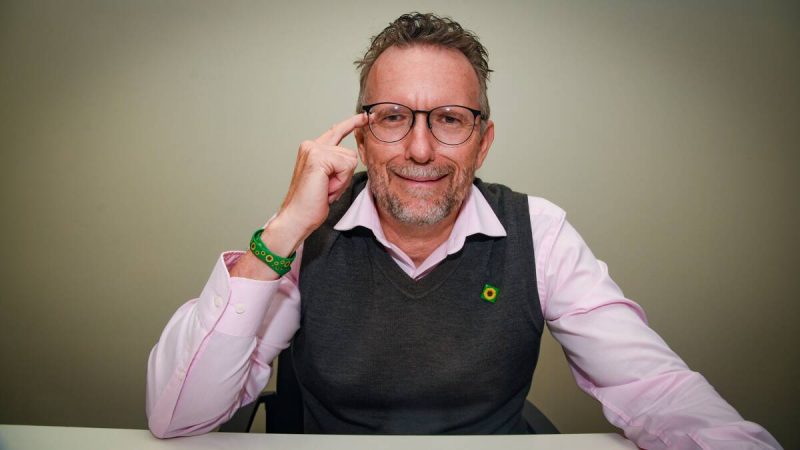
Garry Whittaker, a resident of Wagga, is set to share his personal journey of recovery from a brain injury at the North American Brain Injury Society conference in Washington, DC, this coming March. His story is not just a testament to resilience, but also a call to illuminate the often-hidden challenges faced by individuals with brain injuries. This trip represents a significant step in his ongoing mission to promote understanding and awareness surrounding the complexities of brain injuries.
Journey from Assault to Advocacy
Six years ago, Garry Whittaker's life took a dramatic turn when he was assaulted at the Victoria Hotel in Wagga. The attack left him with a brain injury that not only altered his physical capabilities but also significantly impacted his personality and communication skills. "It's like you disappeared for that eight hours and then wake up, but obviously wake up in a different world, as a different person," Whittaker reflects. This profound change has motivated him to share his experience, aiming to foster greater awareness about brain injuries and the unique ways they affect individuals.
As he continues to recover, Whittaker has grappled with a language deficit that makes it difficult for him to express himself. Learning to navigate conversations and find the right words has been a challenging process. He recalls moments of frustration, such as when he visited a pizza shop and struggled to articulate his order, feeling the weight of judgment from those around him. "That's what I mean about the hidden disability area; I still think we've got a lot of work to do in that area," he said, emphasizing the need for society to become more educated about invisible disabilities.
Raising Awareness in the United States
Whittaker's upcoming trip to the United States will coincide with Brain Awareness Week, where he plans to advocate for greater recognition of brain injuries and their impact on daily life. At the conference, he will participate in discussions and share his insights with both professionals and fellow survivors. He's also scheduled to be interviewed by Sherry Odom, founder of the Neuroplasticity Alliance, where they will delve into his personal experiences and the recovery journey he has undergone.
His mission is clear: to break down complex scientific concepts surrounding brain injuries into understandable terms, making it accessible for everyone. "It's about breaking down the science in very simple terms and connecting the dots," he said, underscoring his goal to demystify the effects of brain injuries. Whittaker believes that sharing these stories can inspire empathy and understanding, paving the way for better support systems for those affected.
Statistics Highlight the Need for Awareness
The Australian Bureau of Statistics reveals that over 700,000 Australians live with a brain injury, facing various daily challenges and limitations. This staggering number highlights the urgent need for increased awareness and education about brain injuries and their often-invisible effects. Whittaker's efforts come at a critical time when more people are beginning to recognize the significance of mental health and neurological conditions.
In addition to his advocacy, Whittaker aims to create a company by the end of the year focused on raising awareness about brain injuries. His vision includes developing resources that can assist others in understanding the challenges faced by individuals with hidden disabilities. Through this initiative, he hopes to provide support and encouragement for those navigating similar battles.
Encouraging Others to Share Their Stories
Whittaker's journey has not only transformed his life but has also set an example for others dealing with brain injuries. He encourages fellow survivors to voice their experiences, fostering a community of support that can help break the stigma surrounding brain injuries. "More people need to understand hidden disabilities," he asserts, advocating for a shift in societal perceptions. By sharing his story, he hopes to empower others to do the same, creating a ripple effect that promotes understanding and acceptance.
As he prepares for his trip to the U.S., Garry Whittaker remains steadfast in his commitment to advocacy. His personal journey serves as a powerful reminder of the resilience of the human spirit and the importance of raising awareness about brain injuries. Through his efforts, he aims to shine a light on the hidden challenges many face, encouraging a more inclusive society that recognizes and supports individuals with brain injuries.