
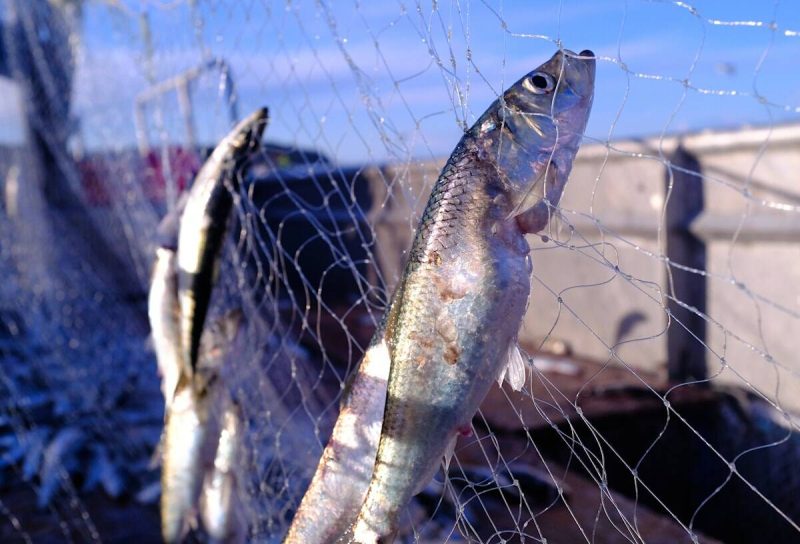
A local fishing club in Victoria is urging the Department of Fisheries and Oceans (DFO) to put a stop to commercial herring fishing, emphasizing that preserving recreational fishing and its ecological benefits should take precedence. The Victoria Golden Rods and Reels Fishing and Social Club (GRR) passed a resolution during a meeting on January 6, 2026, to support this cessation. This resolution aims to encourage a study on the costs and benefits of the commercial fishery, highlighting concerns over herring population declines and their impact on the ecosystem.
Recreational Fishing's Economic Impact
John Francis, chair of the GRR, pointed out that the herring fishery's economic contribution pales in comparison to the recreational fishing sector. While the commercial fishery brings in less than $6 million to British Columbia's economy, the recreational fishing industry generates an impressive $1.3 billion annually. This sector supports around 9,100 direct jobs and adds approximately $624 million to the province's GDP. The disparity in economic impact raises questions about the sustainability of commercial herring fishing, particularly when considering its role in the food chain.
The GRR emphasizes that recreational fishing is not only a significant economic driver but also a crucial activity for many residents and visitors. About 75% of recreational fishing activity is driven by the opportunity to catch chinook and coho salmon, which rely on herring as a primary food source. The club argues that the ongoing commercial fishery threatens these salmon populations, which in turn affects the entire recreational fishing experience.
Declining Herring Populations
Historically, the Strait of Georgia was filled with herring bait balls, a phenomenon that has notably decreased since the mid-1980s. Francis reminisced about the abundance of herring back in the 1970s and 1980s, describing how boats would often encounter these spherical formations of fish. However, he noted that the herring population has dwindled significantly since then, leading to negative repercussions for salmon, orcas, seals, and other species that depend on herring as a food source.
The GRR contends that the decline in herring populations correlates with a broader decline in salmon numbers along the B.C. coast. Quotas for the herring fishery have dramatically dropped over the decades-from 200,000 tons in the 1980s to current levels of between 10,000 and 20,000 tons per season. This sharp reduction reflects not only environmental concerns but also economic realities, as the price of herring has fallen due to limited market demand. Herring is primarily used as bait or food in Canada, with roe exported to Asian markets.
Environmental Concerns and Future Outlook
The GRR warns that if commercial herring fishing continues, it could lead to a collapse of the fishery, analogous to the devastating decline of the Atlantic cod population in the 1990s. This history serves as a cautionary tale, underscoring the risks of prioritizing short-term commercial gains over long-term ecological sustainability. Francis stated, "It seems ridiculous for a little commercial fishery worth so little to jeopardize and decimate the last remaining herring stocks when we know for sure it's the base of the food chain." Such sentiments resonate with many local conservationists and recreational anglers who advocate for the protection of herring populations.
The resolution passed by the GRR will be disseminated to various conservation organizations and fishing clubs across British Columbia, aiming to unite voices against the commercial herring fishery. As the debate heats up, the DFO faces increasing pressure to assess the ecological and economic ramifications of its current fishing policies.
Looking ahead, the future of herring fishing in British Columbia hangs in the balance. The call for a halt to commercial herring fishing reflects a growing recognition of the importance of preserving local ecosystems and supporting recreational fishing. With the GRR leading the charge, stakeholders hope to foster a more sustainable approach that prioritizes ecological integrity and economic vitality within the recreational fishing sector.