
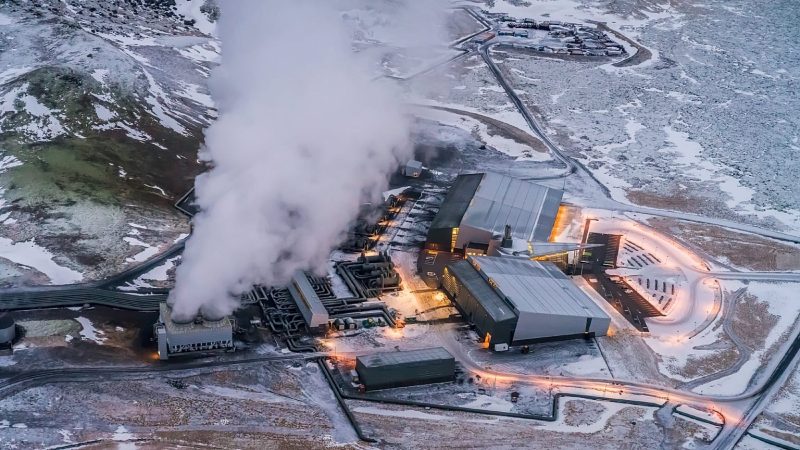
Enhanced geothermal systems (EGS) present a significant opportunity for the European Union (EU) to reduce its dependence on fossil fuels, with the potential to generate up to 301 terawatt-hours (TWh) of electricity annually by 2025. A recent report by energy think tank Ember highlights that 43 gigawatts (GW) of enhanced geothermal capacity could be developed across the EU at a cost of less than €100 per megawatt-hour (MWh), making it competitive with traditional fossil fuel sources.
Germany and Hungary Lead the Charge in Geothermal Potential
Among the EU nations, Hungary is identified as having the largest untapped geothermal potential, boasting approximately 28 GW, which could power millions of homes. Following Hungary is Türkiye with 6 GW, while Poland, Germany, and France each possess around 4 GW of geothermal capacity. This untapped resource is particularly significant as it offers a stable and firm source of low-carbon electricity.
Enhanced geothermal systems operate by drilling deep into the Earth's crust-sometimes up to eight kilometers-where hot, solid rock exists. A fluid is injected into these cracks, which is then heated and pumped back to the surface to generate electricity. Unlike traditional geothermal energy, which relies on specific geological conditions, EGS can be deployed in a wider range of locations across Europe, making it a game-changer for energy production in non-volcanic areas.
Geothermal Energy's Role in the EU's Energy Transition
The report emphasizes that geothermal energy could supply approximately 42% of the EU's coal and gas-fired electricity generation by 2025. This marks a substantial shift towards cleaner energy sources, particularly as the EU aims to meet its climate targets and reduce greenhouse gas emissions. The findings indicate that if the deployment of geothermal systems is expedited, the EU could significantly enhance its energy independence and security.
However, the report also warns that the EU risks falling behind in the global geothermal market if development remains slow. Countries outside of Europe are already making strides in geothermal energy, and a rapid adoption of EGS could position the EU as a leader in this renewable sector. Ember's analysis suggests that globally, geothermal energy could account for up to 15% of the increase in electricity demand by 2050, highlighting its potential role in a sustainable energy future.
The Economic Advantages of Enhanced Geothermal Systems
One of the standout benefits of enhanced geothermal systems is their resistance to fuel price volatility. As a technology that incurs no fuel costs, EGS can provide stable pricing for electricity generation, shielding consumers and businesses from the impacts of rising fossil fuel prices. This financial predictability is increasingly appealing in today's energy market, where prices can fluctuate dramatically due to geopolitical tensions and supply chain disruptions.
The report underscores that the techno-economic potential for geothermal energy in continental Europe could reach around 50 GW. This capacity could effectively power approximately 30 million homes, further solidifying geothermal energy's role as a major player in Europe's energy mix. With continued investment and technological advancements, the future of geothermal energy looks promising, paving the way for a cleaner, more sustainable energy landscape.
Policy Implications and Future Outlook
As the EU navigates its energy transition, the integration of enhanced geothermal systems into its energy strategy is crucial. Policymakers must prioritize supportive regulations and incentives to accelerate the development of geothermal resources. This includes streamlining permitting processes, investing in research and development, and fostering public-private partnerships to tap into the full potential of geothermal energy.
Tatiana Mindekova, a policy advisor at Ember, emphasizes that modern geothermal technology is "pushing the energy transition to new depths." With this innovative approach, Europe can unlock clean power resources that were previously deemed unreachable. The shift towards geothermal energy not only aids in combating climate change but also enhances energy security and creates job opportunities in emerging industries.
As the EU moves forward, the focus must remain on harnessing the power of enhanced geothermal systems to contribute to a sustainable energy future. The potential is vast, and with the right strategies in place, the EU could lead the world in geothermal energy production, setting a benchmark for others to follow.